
Plants
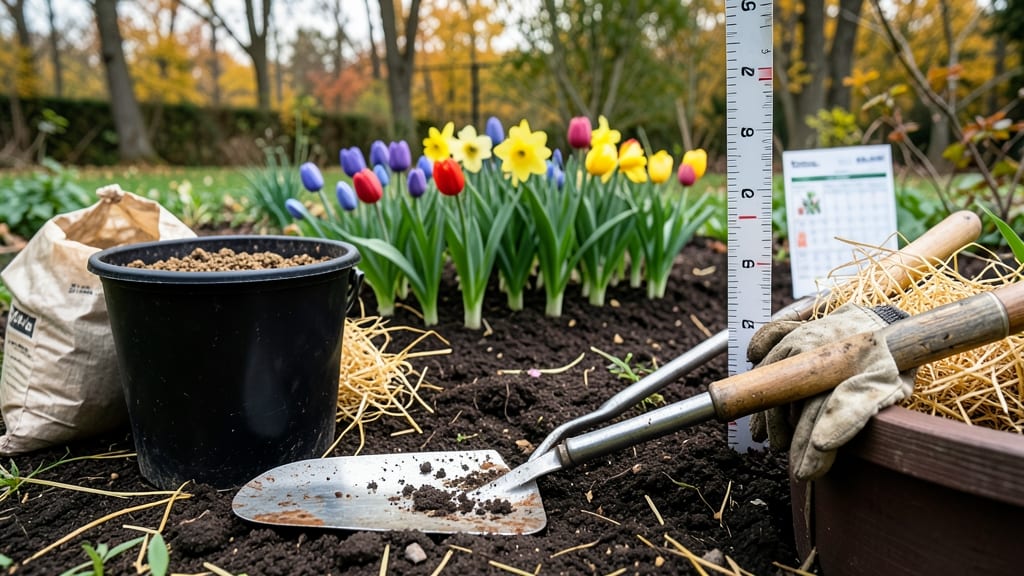
Planting spring flowering bulbs 🌷 in Zone 6 between September and November is the secret to a showstopping spring garden.
Planting bulbs at the wrong time in Zone 6 can mean the difference between a spectacular spring display and wasted effort—so timing isn’t just important, it’s everything.
Too early, and they’ll rot before winter; too late, and they won’t root deep enough to survive the cold. The 6-week window before the ground freezes is your sweet spot for bulbs like tulips and daffodils.
Below, I’ll break down the exact frost-date math for your Zone 6a or 6b yard, how to adjust for microclimates, and the 3 biggest mistakes that kill bulbs before they even bloom.
Zone 6 frost dates: the exact months to plant spring vs fall bulbs
In Zone 6, the average last frost date falls around April 15, while the first frost typically arrives between October 15-20. These dates create a 6-8 week window for planting spring-flowering bulbs like tulips and daffodils—but timing is everything.
Plant too early, and your bulbs may sprout before winter; too late, and they won’t establish roots before the ground freezes. The key? Fall planting for spring blooms, and understanding your local microclimate adjustments.
Most spring-flowering bulbs (think tulips, daffodils, and hyacinths) need to be in the ground 4-6 weeks before the soil freezes.
In Zone 6, that means September through early November. Fall-planted bulbs like crocus and alliums follow the same rule, but they’re more cold-hardy and can handle slightly later plantings. The goal? Let the bulbs establish roots before winter dormancy sets in.
Pro Tip: Use the 10-degree soil temperature rule—plant when soil temps drop to 50-60°F. Check with a soil thermometer or wait until daytime highs consistently hit 70°F or below. This usually aligns with late September in most of Zone 6, but urban areas may run 1-2 weeks later due to the heat island effect.
| Bulb Type | Ideal Planting Window | Depth | Spacing | Key Notes |
|---|---|---|---|---|
| Tulips | Late Sept–Nov | 6–8" | 4–6" | Plant early for best blooms; avoid soggy soil. |
| Daffodils | Oct–Dec | 6–8" | 4–6" | Deer-resistant; tolerate wetter soil. |
| Hyacinths | Sept–Oct | 6" | 4–6" | Intense fragrance; plant in clusters. |
| Crocus | Aug–Sept | 3–4" | 3–4" | Early bloomers; naturalize easily. |
| Alliums | Sept–Oct | 6–8" | 6–8" | Drought-tolerant; dramatic globe shapes. |
If you’re in Zone 6a (colder end of the spectrum), aim for early September planting—soil freezes sooner, and bulbs need time to root. Zone 6b gardeners have until mid-November, but don’t wait too long.
A hard frost (below 28°F) can damage unprotected bulbs, even if they’re planted. For late plantings, cover bulbs with straw mulch (3–4 inches) to insulate them until winter.
Adjust for early frosts by planting crocus and snowdrops first—they’re the most cold-hardy and can handle slightly later or earlier plantings. For tulips and daffodils, stick to the 6-week rule.
If you’re unsure, err on the side of earlier planting: bulbs won’t sprout until spring, but they’ll establish stronger roots. Overwintered bulbs also handle drought better in spring.
Watch for local frost warnings in late fall. If a sudden cold snap hits, protect newly planted bulbs with a frost cloth or lightweight row cover. In urban areas, concrete and pavement can create microclimates that freeze 1-2 weeks earlier than rural zones.
If your garden sits near a heat-retaining wall or asphalt, plant 2 weeks earlier to compensate.
After planting, <
How to calculate your perfect planting window using local microclimates
Generic Zone 6 frost dates can leave you guessing—especially when your urban backyard stays warmer than the rural countryside just 10 miles away. Microclimates create local variations that shift planting windows by weeks.
The key? Adjusting for elevation, soil warmth, and urban heat islands to match your specific conditions.
Start by checking your last average frost date (typically mid-November in Zone 6) and your first average frost date (mid-October). But here’s the catch: Your local microclimate might push these dates earlier or later.
For example, a south-facing slope warms faster than a north-facing yard, while concrete sidewalks in cities trap heat, delaying frost.
- 1. Check elevation: Add 3-5 days to frost dates for every 1,000 ft above sea level. High-altitude gardens freeze earlier.
- 2. Test soil warmth: Use a soil thermometer—ideal planting temps are 60-65°F for bulbs. Urban soils stay 5-10°F warmer than rural areas.
- 3. Observe neighbors: Note if nearby gardens bloom earlier or later. Their microclimate likely matches yours.
- 4. Adjust for urban heat: Cities plant 2-3 weeks later than rural areas due to delayed frost. Use local weather apps for hyper-local data.
- 5. Plant test bulbs: Try a few crocus or snowdrops in early September. If they thrive, expand your window.
Don’t overlook wind exposure—open fields cool faster than sheltered yards. If your garden sits in a wind tunnel, plant bulbs 2 weeks earlier to compensate. Similarly, wooded areas stay cooler, so delay planting by 1 week compared to sunny spots.
For fall-planted bulbs, aim to finish 4-6 weeks before ground freeze. Use this formula: Last frost date - 6 weeks = Planting deadline. But if your soil stays warm (like in cities), extend the window by 10-14 days.
Pro tip: Mulch heavily to insulate bulbs if early frosts threaten.
Spring bulbs like tulips and daffodils need chilling time—plant them when soil temps drop to 50°F consistently. In Zone 6 microclimates, this often means late September to early October. Track your local chill hours (aim for 10-15 hours below 40°F weekly) to fine-tune timing.
Remember: Perfect timing isn’t about following a calendar—it’s about reading your land’s signals. Combine frost data, soil tests, and neighbor observations to create a planting schedule that works for your unique corner of Zone 6. 🌱