
Plants
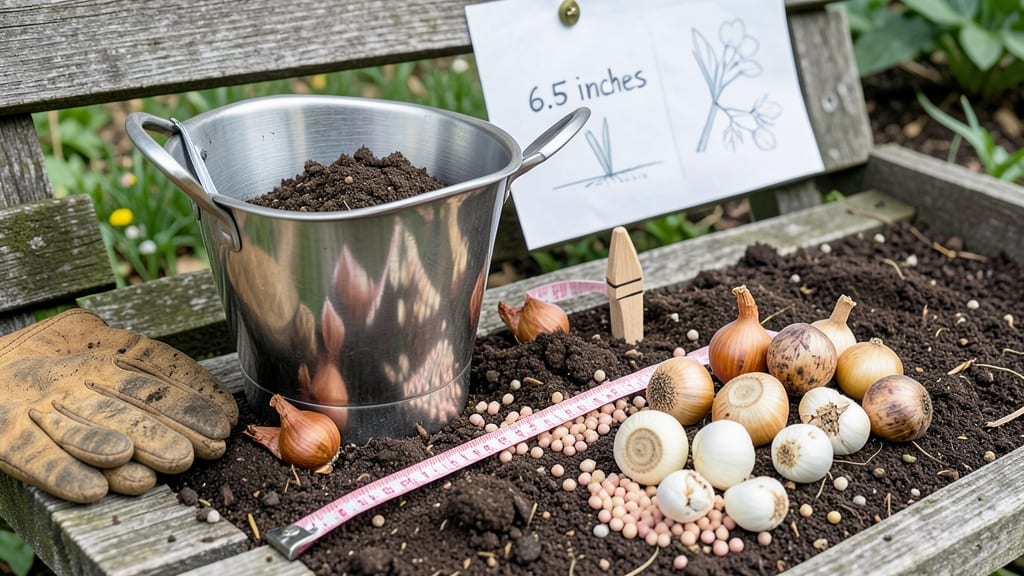
Planting bulbs in Zone 8b at the right time means the difference between a garden bursting with color and one that never wakes up from dormancy.
Here’s the catch: Zone 8b gardeners face a unique challenge—too early, and lingering warmth rots your bulbs before they’ve had their required chill hours. Too late, and they miss the window entirely, leaving you with empty beds come spring.
The key? Timing it perfectly between October and November for fall planting, or early spring for those who prefer a second chance.
Most bulbs need 100 to 150 chill hours to bloom reliably, and Zone 8b’s mild winters mean you can’t just follow a generic calendar.
That’s why I’ve broken down the exact chill-hour requirements for your favorite bulbs—whether you’re growing tulips, daffodils, or crocus—and how to adjust for microclimates like coastal areas or inland heat pockets.
In this guide, you’ll learn the exact planting window for your zone, soil prep tricks to extend chill hours, and how to spot the signs that your bulbs are ready to burst into bloom. No more guesswork—just vibrant, reliable spring flowers every year.
Zone 8b bulb planting timeline by chill-hour requirements
In Zone 8b, where winters are mild and summers are long, timing your bulb planting correctly is everything. Too early, and your daffodils or tulips may rot in warm soil. Too late, and they won’t get enough chill hours to bloom.
The key is planting when soil temps drop below 60°F but before the first frost—typically October through November—while ensuring bulbs receive 300–900 chill hours depending on the variety.
Not all bulbs thrive in Zone 8b’s mild winters. Hardy bulbs like daffodils and alliums handle fewer chill hours, while tender bulbs like tulips and hyacinths need more. Below, I’ve broken down the optimal planting window for each type, so you can plan for vibrant spring blooms without guessing.
Pro Tip: Use a soil thermometer to confirm temps are consistently below 60°F before planting. This prevents premature sprouting, which weakens bulbs in warm soil.
| Bulb Type | Chill-Hour Needs | Planting Window (Zone 8b) | Depth | Notes |
|---|---|---|---|---|
| Daffodils (Narcissus) | 300–500 hours | Late October–November | 6–8 inches | Hardy; tolerates partial shade |
| Tulips (Tulipa) | 500–900 hours | October–early November | 6–8 inches | Needs cool soil; mulch after planting |
| Hyacinths (Hyacinthus) | 600–900 hours | October–November | 6–8 inches | Fragrant but short-lived; replant yearly |
| Alliums (Allium) | 300–600 hours | Late October–December | 6–12 inches | Drought-tolerant; long stems for cutting |
| Crocuses (Crocus) | 200–400 hours | November–January | 3–4 inches | Early bloomers; naturalize quickly |
For Zone 8b gardeners, the earliest planting window is critical. Start with daffodils and alliums in late October, as they require fewer chill hours.
If you’re planting tulips or hyacinths, aim for early November to ensure they get enough cold exposure. Crocuses are the most flexible—they can even be planted in January for early spring blooms.
After planting, mulch heavily with straw or leaves to insulate bulbs from temperature fluctuations. This mimics natural winter conditions and helps bulbs meet their chill-hour requirements. Remove mulch in late winter to allow shoots to emerge as soil warms.
If your Zone 8b winter is unusually warm, consider planting bulbs in containers and moving them to a cooler garage or shed for a few weeks. This trick adds extra chill hours for tender bulbs like tulips, ensuring they’ll bloom reliably next spring.
Remember, spring-planting is an option for tender bulbs like dahlias or caladiums, but these are summer-flower
How to calculate your local chill hours for perfect bulb timing
Understanding chill hours is the secret to timing bulb planting in Zone 8b. Unlike colder zones, our mild winters mean bulbs need just 300-600 chill hours—but calculating this precisely ensures your tulips and daffodils bloom reliably.
Start by checking the USDA chill-hour map for your specific location within 8b, as coastal areas often have fewer chill hours than inland spots.
Next, use your local weather station data (or a reliable app like PlantNet) to track temperatures below 45°F over 30 days. For example, if your area averages 400 chill hours, prioritize low-chill varieties like Paperwhite narcissus or Christmas rose over classic tulips, which need 500+ hours.
This small adjustment prevents disappointment when bulbs fail to bloom.
Here’s how to apply this knowledge to your garden:
- Step 1: Check your exact chill-hour zone using the USDA map. For example, San Diego (Zone 8b) may only get 200-300 chill hours, while Phoenix might reach 500+.
- Step 2: Use a chill-hour calculator (like Michigan State University’s tool) to input your local weather data. This tells you the exact chill-hour total your area received last winter.
- Step 3: Match bulbs to your chill-hour total. For 300-400 hours, plant grape hyacinths or crocuses. For 500+ hours, add tulips or alliums.
- Step 4: Adjust planting dates by 2-4 weeks if your chill hours are low. For example, plant daffodils in November instead of October to give them extra time to chill.
- Step 5: Monitor microclimates in your yard. North-facing beds or shaded spots may accumulate 50-100 extra chill hours compared to sunny areas, so plant high-chill bulbs there first.
Don’t overlook historical data—compare this year’s chill hours to the past 3 years. If your area had an unusually warm winter, consider pre-chilling bulbs in your fridge for 6-8 weeks before planting.
Store them in a paper bag with sphagnum moss to mimic winter conditions. This trick works wonders for tulips and hyacinths in marginal zones.
Finally, use mulch to extend chill hours naturally. Apply a 3-inch layer of straw or pine needles after planting to insulate bulbs and slow soil warming. This is especially critical in Zone 8b’s mild winters, where soil temperatures can spike unexpectedly.
With these adjustments, your bulbs will thrive and bloom like they’re in a cooler climate! 🌱
Pro tip: Bookmark the National Oceanic and Atmospheric Administration (NOAA) website for real-time chill-hour updates. Their climate data tools let you track trends and plan ahead for next season’s bulbs. Happy planting! ✂️