
Plants
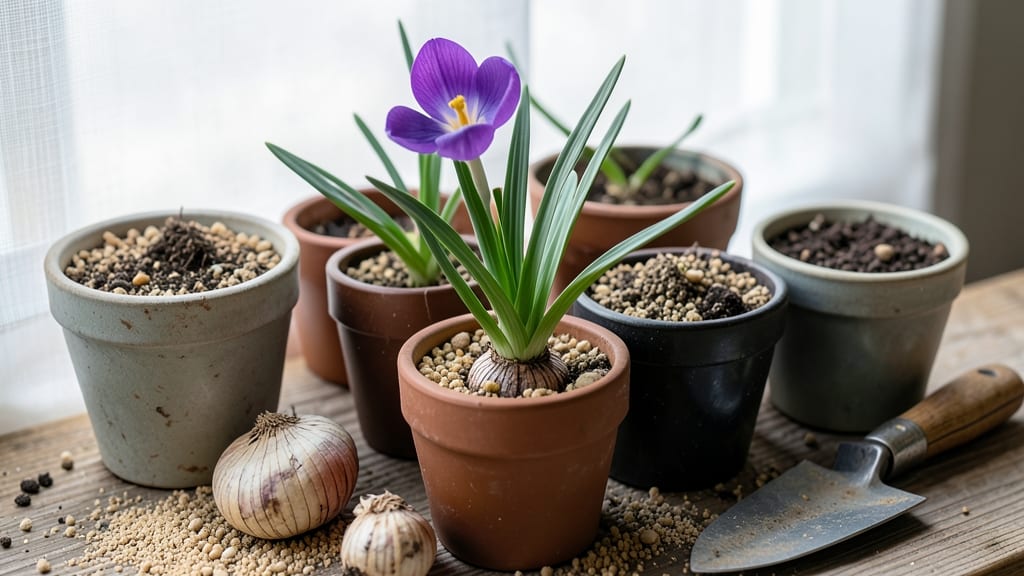
Planting crocus bulbs in pots in the fall is the secret to seeing those cheerful purple, white, or yellow blooms peeking through snow by early spring.
Want vibrant 🌷 blooms brightening your garden before spring fully arrives? Planting crocus bulbs in pots at the perfect time ensures stunning early spring color—but timing is everything. Miss the window, and you’ll delay those cheerful flowers by months.
In USDA Zone 6a, the ideal window is September through November, giving bulbs time to root before winter dormancy. For container planting, you’ve got a slightly longer grace period than ground planting, but don’t wait too long.
Below, I’ll walk you through the exact timing for your zone, how to prep your pots, and the 3 simple steps to guarantee blooms by March or April—no guesswork required.
Optimal fall planting timeline for crocus bulbs in pots
Timing is everything when planting crocus bulbs in pots—get it right, and you’ll enjoy vibrant early spring blooms by March. The science-backed window is 6-8 weeks before your first frost, but this shifts dramatically based on your USDA climate zone.
In colder zones (like Zone 3), you might plant as early as late August, while warmer zones (like Zone 10) can wait until late November.
Containers actually give you a slight advantage over ground planting. Pots warm up faster in spring, which can trigger earlier blooming by 1-2 weeks. However, they also dry out quicker, so well-draining soil and proper watering schedules become even more critical.
I’ve planted crocus in pots for years and found that terracotta containers work best—they breathe better than plastic and help prevent rot.
Here’s the key rule: Plant when soil temps hit 60°F or below but before ground freezes. In most regions, this means September through early November.
If you live in a transition zone (like Zone 7b), check your local frost dates—I always reference the National Weather Service for precise timing.
One common mistake is planting too early. If you put bulbs in hot summer soil (above 70°F), they’ll sprout prematurely and get fried by late-season heatwaves.
I learned this the hard way in Zone 8—my early-September planting produced sad, wilted sprouts by October. Now, I wait until mid-October for reliable results.
🌱
For Zone 3-4 gardeners, I recommend planting crocus bulbs in pots by September 15th at the latest. These zones have earlier frosts, and bulbs need 6-8 weeks to establish roots before winter sets in.
I’ve had success with ‘Early Flowering’ varieties like ‘Golden Yellow’ and ‘Purple Beauty’—they bloom 2-3 weeks earlier than standard types.
If you’re in Zone 5-7, aim for late September to early October. This gives bulbs enough time to root while avoiding late-season heat stress. I plant mine in clay pots with drainage holes and place them in elevated garden beds to prevent waterlogging.
In Zone 8+, you can push the window to November, but monitor soil moisture
Adjusting for unpredictable frosts is where container gardening shines. If a hard freeze is forecast, move pots to a protected location (like a garage or shed) and cover them with straw mulch. I’ve saved entire batches of bulbs this way—just uncover them in spring when temps rise above 40°F. Remember, crocus bulbs in pots need 3-4 inches of soil coverage and well-draining mix. I use a blend of 50% potting soil, 30% perlite, and 20% compost for best results. This prevents rot and fungal diseases that can kill bulbs over winter. 🌿
Signs your crocus bulbs are ready for fall planting (and common mistakes)
Fresh crocus bulbs are your ticket to early spring color, but not all bulbs are created equal. Look for plump, firm bulbs with smooth, unbroken skins—these are the gold standard for vibrant blooms.
Avoid any that feel soft, shriveled, or have mold, as these signs signal poor health or dormancy. Bulbs should also smell fresh, not musty, which is a red flag for stored moisture issues.
Your pot selection matters just as much as the bulbs themselves. Choose containers with drainage holes to prevent root rot, a common killer of crocus blooms. The pot should be at least 6 inches deep to accommodate the bulb's root system, which needs room to grow downward.
Smaller pots may work for single bulbs, but larger pots allow you to plant multiple bulbs for a fuller display.
⚠️ WARNING: TOXIC SOIL CAN KILL YOUR CROCUS BEFORE IT BLOOMS
Test your soil for pH balance (6.0-7.0) and avoid fresh manure or compost—these can burn delicate roots. If repurposing pots, sterilize with a 10% bleach solution to remove pathogens. Poor drainage is the #1 reason crocus bulbs fail in containers.
Timing your watering schedule is another critical factor. After planting, water lightly to settle the soil but avoid overwatering—crocus bulbs need a dormant period to develop strong roots. Once planted, reduce watering to every 2-3 weeks until spring, unless your region experiences prolonged drought.
Overwatering in fall can lead to bulb rot before the plant even has a chance to bloom.
Three common mistakes sabotage crocus blooms more than any other factor: planting too shallow (buried less than 3 inches), using compacted soil (like clay without amendments), and ignoring frost cycles.
Crocus bulbs need 6-8 weeks of cool soil before frost to trigger flowering. If you plant too late, you’ll delay blooms until late spring—or worse, miss them entirely.
Pro tip: Chill your bulbs for 4-6 weeks in the fridge before planting if your fall weather is unusually warm. This mimics natural winter conditions and encourages earlier blooms. Place bulbs in a paper bag with dry peat moss and store them at 35-45°F for best results.
This trick works especially well for indoor pots that won’t experience natural cold snaps.
Finally, pay attention to your light exposure after planting. Crocus bulbs need full sun (6+ hours daily) to set flower buds, but they’ll tolerate partial shade if the soil stays cool. If growing in containers, place them in the sunniest spot available—even a south-facing window will work for indoor pots.
Once buds appear, move pots to a bright, cool location to extend bloom time.