
Companion Plants
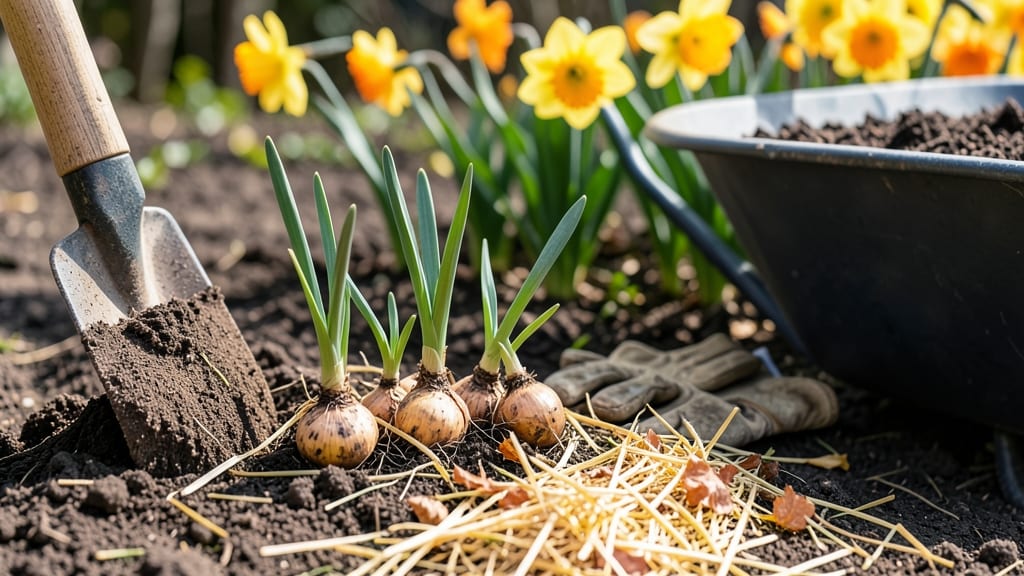
Planting daffodil bulbs in Pennsylvania in the fall ensures vibrant spring blooms 🌼 — but the exact timing depends on your hardiness zone and frost dates.
Timing is everything when planting daffodil bulbs in Pennsylvania—get it wrong, and you’ll miss the spring blooms you’ve been dreaming of. But with PA’s diverse climate zones, knowing exactly when to plant can mean the difference between a vibrant garden and a forgotten investment.
Most gardeners in zones 5b-7a should plant between September and November, but early frosts or warm spells can shift that window. Below, I’ll break down the best months for each zone, how to prep your soil, and what to do if fall weather throws you a curveball.
You’ll also discover how to choose the perfect spot, avoid common mistakes, and keep your daffodils thriving for years—no green thumb required.
Best planting months for daffodil bulbs in Pennsylvania by hardiness Zone
Pennsylvania’s USDA hardiness zones 5b-7a create a perfect window for planting daffodil bulbs, but timing matters. In Zone 5b, where winters are colder, aim for early planting, while Zone 7a gardeners have a slightly longer window.
The key is planting 4-6 weeks before the ground freezes—this ensures roots establish before winter dormancy begins.
Daffodils thrive when planted in cool soil temperatures (50-60°F). In most of PA, this aligns with late September through October, but rural areas with cooler microclimates may extend planting into early November.
Urban heat islands can push ideal timing earlier, so adjust based on your specific location’s frost patterns.
Here’s a quick breakdown of the best planting windows for each zone:
| USDA Zone | Best Planting Window | Soil Temp Threshold | Microclimate Adjustments |
|---|---|---|---|
| Zone 5b | Late September - Early October | 50-60°F | Plant earlier in urban areas; extend to mid-October in rural zones. |
| Zone 6a | Mid-September - Mid-October | 50-60°F | Adjust 1-2 weeks earlier for heat-retaining areas. |
| Zone 7a | Late September - November | 50-60°F | Plant later in cooler valleys; avoid planting after first frost. |
In Zone 5b, where first frosts can arrive as early as October 15, prioritize planting by mid-October. Use a soil thermometer to confirm temperatures are below 60°F—this signals it’s time to cover bulbs with mulch.
In Zone 7a, where frosts are delayed until November, you can stretch planting into early November, but avoid planting after the first hard frost.
Microclimates play a huge role in PA. Urban gardens with concrete and asphalt retain heat longer, so plant daffodils 2-3 weeks earlier than rural areas. Conversely, wooded or valley gardens stay cooler, giving you a 2-week extension for planting. Always check your local average first frost date and adjust accordingly.
If you miss the ideal window, don’t panic. Daffodil bulbs can tolerate late fall planting as long as the ground isn’t frozen. Store them in a cool, dark place (like a garage) and plant as soon as the soil is workable.
Just remember, earlier planting = stronger blooms the following spring.
For best results, pair planting with well-draining soil and a sunny location. Amend heavy clay soil with compost to improve drainage, and avoid planting in low-lying areas where water pools. Mulch after planting to insulate bulbs and protect them from temperature fluctuations during winter.
Pro tip: Mark your planting spots with stakes or flags so you don’t disturb the bulbs when spring arrives. Daffodils are perennial, meaning they’ll return year after year, but they need time to establish roots before they’ll reward you with vibrant spring blooms.
Timing your planting right ensures your daffodils will push through snow and bloom reliably every spring. With PA’s varied climate, a little flexibility goes a long way—so grab your bulbs, check that soil thermometer, and get planting before winter sets in! 🌼
How to choose the perfect planting spot for year-round daffodil success
Daffodils thrive when planted in the right spot, and Pennsylvania’s variable climate demands extra attention to soil conditions and sunlight exposure. Unlike fussy annuals, these hardy perennials reward patience with decades of blooms—but only if you avoid common pitfalls like poor drainage or shady corners.
The key lies in mimicking their natural woodland habitats while adapting for PA’s USDA zones 5b-7a.
Start by selecting a location with at least 6 hours of sunlight daily, though daffodils tolerate partial shade in hotter zones like southern PA. Morning sun with afternoon shade prevents heat stress while ensuring robust flowering.
My personal rule? Face the planting bed east or southeast to capture gentle morning rays without scorching bulbs in summer’s peak heat.
⚠️ callout warning ⚠️
Pennsylvania’s clay-heavy soils and flash floods in spring create deadly conditions for daffodil bulbs. Never plant in low-lying areas where water pools—even temporarily. Test your soil: If it stays soggy 48+ hours after rain, amend with 3 inches of compost or plant on a slight slope (1-2° angle). Daffodils rot faster than they bloom in waterlogged spots!
🌱 Pro Tip: Mix in perlite or coarse sand (1 part to 3 parts soil) for bulbs in Zone 6-7 to prevent winter heaving.
Next, prioritize well-draining soil—daffodils despise soggy roots. Amend native soil with organic matter like composted leaves or well-rotted manure to improve structure. In urban gardens, where compacted soil is common, consider raised beds or mound planting.
The ideal depth for bulbs is 6-8 inches deep, with the pointed end up, but adjust for your region: Zone 5b needs deeper planting (8 inches) to insulate against early frosts.
Companion planting boosts daffodil success by deterring pests and enhancing soil health. Pair them with alliums (garlic, chives) to repel squirrels, or ferns and hostas for shade lovers that won’t compete for nutrients.
Avoid planting near tulips—they share the same bulb diseases. My go-to combo? Daffodils + Russian sage + catmint for a low-maintenance, pollinator-friendly border that thrives in PA’s hot summers.
Timing your planting spot prep is just as critical as the location itself. Work the soil 2-3 weeks before bulb arrival to let amendments settle. In Zone 5b, aim to finish by mid-October; in Zone 7a, you’ve got until late November.
Mark your calendar for first frost dates—planting too late risks bulbs sprouting before winter, which invites rot or frost damage. Use a soil thermometer to confirm temps are below 60°F but not frozen.
Finally, think long-term: Daffodils multiply over time, so plan for future crowding. Space bulbs 4-6 inches apart for dwarf varieties and 6-8 inches for standard types. In woodland gardens, scatter bulbs naturally under existing trees—just ensure the canopy won’t block light by mid-winter.
My 20-year-old clumps in a sun-dappled oak grove prove that with the right spot, daffodils become self-sustaining stars of the garden.
With these spot-picking secrets, your daffodils will bloom reliably for years, even through PA’s unpredictable springs. The effort pays off in vibrant yellows, whites, and oranges that light up gardens from April through May—and sometimes even June if you’re lucky! 🌼