
Plants
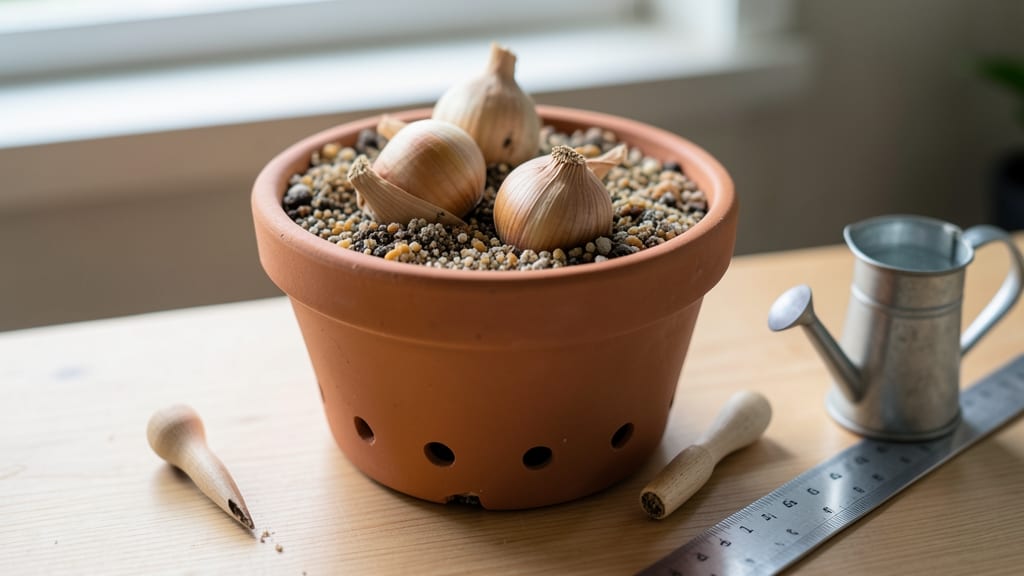
Planting daffodil bulbs in pots in the fall ensures vibrant spring blooms, but timing depends on your climate zone and pot setup.
Miss the window, and your 🌼 might bolt too early or fail to bloom at all. The key is planting 6-8 weeks before the ground freezes, but that translates to September in warm zones and November in colder ones.
Unlike in-ground planting, pots need extra care—well-draining soil, proper depth, and protection from harsh winters. I’ll break down the exact months for each USDA zone, plus container-specific tips to keep your bulbs thriving.
You’ll also learn how to adjust planting for early or late blooms and avoid the three biggest mistakes that kill daffodils in pots.
Best fall planting months for daffodil bulbs in pots by USDA zone
Planting daffodil bulbs in pots gives you flexibility to move them for optimal sunlight, but fall timing is critical for success. Unlike in-ground planting, container-grown daffodils need extra attention to soil temperature and drainage—especially in warmer zones where winter isn't harsh.
I've planted daffodils in pots for years, and the difference between a perfect spring bloom and a flop often comes down to when you tuck those bulbs into their winter homes.
Most gardeners focus on USDA Zones 5-8 for daffodils, but even within those zones, regional microclimates matter. For example, Pacific Northwest gardeners can plant later than those in Deep South zones because of milder winters.
The key is planting 6-8 weeks before the ground freezes—but in pots, you can stretch that window slightly by protecting them with mulch or moving them to sheltered spots.
Here’s the breakdown by zone, including ideal soil temps and regional adjustments to avoid common pitfalls like rot or premature sprouting.
In Zones 3-4, where winters are brutal, I plant daffodils in pots by early September to give them time to establish roots before the ground freezes. The soil temperature should be around 45-50°F—use a soil thermometer to check.
In these zones, black pots help absorb heat, while white pots reflect it, which can delay root growth. For extra protection, I wrap pots in bubble wrap or bury them halfway in the ground.
Gardeners in Zones 5-6 have the most flexibility, with mid-September to early October being ideal. This is when soil temps drop to 50-55°F, signaling bulbs to start rooting. I’ve found that terracotta pots work well here—they breathe better than plastic, reducing rot risk.
If you live in a humid climate (like the Southeast), add a layer of gravel at the pot’s bottom for drainage.
For Zones 7-8, where winters are mild, I delay planting until October or November—closer to the first frost. The goal is to plant when soil temps hit 55-60°F.
In these zones, daffodils often bloom earlier (as early as February), so timing affects when you’ll see those cheerful flowers. I use lightweight potting mixes with perlite to prevent waterlogging, which is a bigger risk in warmer climates.
In Zones 9-10, daffodils can even bloom in January if planted in November or December. The key is ensuring soil temps are 60-65°F at planting. I’ve had success moving pots to shaded spots during summer to keep them cool, then bringing them back to full sun for blooming.
In these zones, winter protection (like moving pots under a porch) can extend their lifespan for years.
One trick I swear by? Chilling bulbs before planting if you’re in a warm zone. Store bulbs in the fridge for 6-8 weeks at 40-50°F to mimic winter conditions. This helps
How to adjust planting time for early vs. late spring blooms
Want to control when your daffodils bloom? Adjusting planting times lets you force early spring blooms or delay flowers for later. The secret lies in temperature manipulation and strategic planting schedules.
For early blooms, start bulbs indoors 8-10 weeks before your target bloom date, while late bloomers benefit from delayed fall planting.
Container gardening gives you even more flexibility. Unlike in-ground planting, pots let you move bulbs to refrigerated spaces or warm locations to trigger blooming at your preferred time. This works especially well for Christmas daffodils or varieties like 'February Gold' that naturally bloom later.
🌱 How to Time Your Daffodil Blooms
- For early blooms, plant bulbs in September-October and refrigerate pots at 35-45°F for 8-10 weeks before moving to light
- Use 6-inch pots for single bulbs or 8-inch pots for clusters to prevent overcrowding during forced blooming
- Ensure pots have drainage holes and use well-draining mix (50% potting soil, 50% perlite)
- For late blooms, delay planting until November-December in mild climates (Zones 8-10)
- After blooming, leave foliage until yellow and crispy to recharge bulbs for next year's flowers
Your pot size matters more than you might think. Small 6-inch pots work for single bulbs but limit root growth. For longer-lasting blooms, opt for 8-inch pots that accommodate 3-5 bulbs. This gives roots room to establish while still forcing early blooming.
Soil preparation is equally critical. Use a lightweight mix with 50% potting soil and 50% perlite or sand to prevent waterlogging. Add a slow-release fertilizer (5-10-10) at planting time to give bulbs a nutrient boost without burning tender roots.
After planting, place pots in a cool dark location (like a garage or basement) at 40-50°F for 8-10 weeks. This mimics winter conditions and triggers blooming. When buds form, move pots to bright indirect light (like a north-facing window) to prevent elongated stems.
For late spring blooms, skip refrigeration entirely. Plant bulbs in November-December in mild climates (Zones 8-10) and let nature take its course. These bulbs will bloom 2-3 weeks later than traditional fall plantings, extending your seasonal display.
Remember: Daffodils need sunlight after blooming to recharge for next year. Move pots to full sun (6+ hours daily) once flowers fade, and keep soil moderately moist until foliage yellows naturally. This simple care ensures your bulbs will perform beautifully year after year.