
Plants
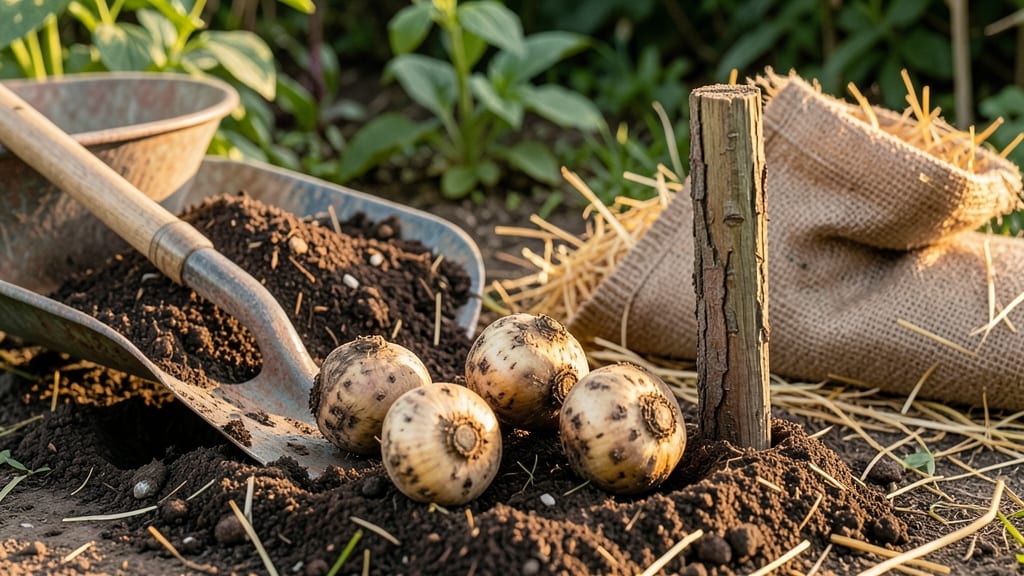
Plant dahlia bulbs in Massachusetts after the last frost date—typically mid-to-late May—when soil temperatures hit at least 60°F for consistent growth.
Dahlias bring bold color to Massachusetts gardens—but planting them too early or late can mean lost blooms. Timing is everything in Zone 5, where unpredictable frosts demand precision.
Most gardeners in Massachusetts wait until late May to plant, but soil temperature is the real indicator. Stick your finger in the ground: if it feels warm enough to hold a bare hand for 5 seconds, it’s ready.
Below, I’ll break down the exact planting window, how to protect your dahlias from late frosts, and the one mistake that kills more tubers than cold snaps do.
Massachusetts dahlia planting window: exact dates by last frost & soil temperature
Timing your dahlia bulbs in Massachusetts hinges on two critical factors: soil temperature and last frost dates. In USDA Zone 5a-5b, where most of the state falls, dahlia tubers need consistent soil temps above 55°F to thrive.
Planting too soon risks frost damage, while waiting too long delays those stunning summer blooms you crave.
Coastal areas like Barnstable or New Bedford often see earlier last frosts (around April 20-May 5), while inland cities like Worcester or Springfield can experience late frosts until May 15-20. Microclimates matter—even a 5-mile difference can shift your planting window by 1-2 weeks.
Here’s the data-driven schedule based on 30-year averages for Massachusetts gardeners:
| Region | Last Frost Date (Avg.) | Soil Temp Threshold | Ideal Planting Window | Action |
|---|---|---|---|---|
| Coastal (5a) | April 20–May 5 | 55°F+ (consistent) | May 10–May 25 | Plant after 2 weeks post-frost |
| Inland (5b) | May 1–May 15 | 55°F+ (consistent) | May 20–June 5 | Wait for soil warmth (use thermometer) |
| Western MA (5a) | May 5–May 10 | 55°F+ (consistent) | May 25–June 1 | Use row covers if planting early |
| All Regions | N/A | Minimum 60°F for germination | June 1–June 15 (safe fallback) | Late planting = smaller blooms but still viable |
For coastal gardeners, aim to plant by May 25—any later and your dahlias may struggle to establish roots before summer heat arrives.
Inland areas have a slightly longer window, but don’t wait past June 1 unless you’re growing tender varieties like ‘Café au Lait’, which thrive with late starts.
Pro tip: Use a soil thermometer ($10 at garden centers) to confirm temps. Stick it 4-6 inches deep (where tubers will sit) and wait for 3 consecutive days above 55°F. This beats guessing—especially in microclimates near ponds or urban heat islands.
If you’re in Zone 6a (like Boston’s South Shore), you can push planting to April 25—but only if you’re ready to cover bulbs with frost cloth for the first 2 weeks. I’ve seen ‘Galaxy’ dahlias survive 28°F with protection, but most varieties won’t.
For container gardening, warm up pots indoors under grow lights 4–6 weeks before your target planting date. This gives you a 2-week head start on the ground-planted neighbors. Just remember: transplant shock is real—harden off seedlings for 7 days before moving them outside.
One common mistake? Planting dahlia tubers too shallow (less than 4 inches deep) because the soil feels warm at the surface. Root rot from inconsistent moisture is a nightmare. Bury them 6 inches deep—the eyes (growth nodes) should face upward, 2 inches below soil level.
Track your local frost dates using the NOAA Frost/Freeze Tool (link). Plug in your ZIP code to see historical trends—some years, June frosts sneak up on us, especially in elevated gardens like those in Plymouth or Franklin.
5 Critical signs your Massachusetts garden is ready for dahlias (and what to do if it’s not)
Massachusetts gardeners know that timing is everything when planting dahlia bulbs. The wrong move can mean wasted tubers or stunted blooms. I’ve learned the hard way that rushing into spring planting—even with warm days—can backfire when a late frost hits.
The key is waiting for five critical signs that your soil and climate are truly ready. Let’s break down what to watch for and how to extend your growing season if needed.
First, check your soil temperature. Dahlias need soil that’s warmed to at least 60°F (15°C) at a depth of 6 inches. Use a soil thermometer to test—if it’s cooler, your bulbs will rot before sprouting.
In Massachusetts, this usually aligns with mid-to-late May, but coastal areas may be a week earlier. If your soil isn’t ready, don’t panic—there are ways to prep it safely.
- 1 Soil Temperature: Test at 6" depth—60°F+ means go. Use a soil thermometer for accuracy. If below, wait or use black plastic mulch to warm soil faster.
- 2 Leaf-Out Stage: Nearby maple or oak trees should have fully unfurled leaves. This signals stable warmth. If leaves are still tight, delay planting by 1-2 weeks.
- 3 Moisture Test: Dig a hole—if soil clumps when squeezed but doesn’t stick to your shovel, it’s well-draining. Compacted soil? Amend with compost or perlite before planting.
- 4 Frost Risk: Check the 10-day forecast for no frost warnings. Use a frost cloth if planting early in Zone 5b areas like Worcester or Springfield.
- 5 Manure Timing: Never plant within 4 weeks of fresh manure—it burns bulbs. Use composted manure instead, or wait until soil cools slightly after amending.
If your garden isn’t quite ready, don’t stress—you can still get dahlias growing. For example, I’ve used cold frames to start tubers indoors in early April, then transplanted them outdoors after the last frost.
Just place the frame in a sunny, sheltered spot and monitor soil temps closely. Another trick? Cover newly planted bulbs with straw mulch (4-6 inches) to insulate them from late frosts.
One common mistake I see is planting too soon after amending soil with fresh manure. The high nitrogen can scorch dahlia tubers, leading to rot. Always use well-aged compost or a balanced fertilizer like 10-10-10 instead.
And if your soil feels too compacted, mix in sand or coconut coir to improve drainage—dahlias hate soggy roots.
Finally, keep an eye on your neighborhood trees. When maple or oak leaves are fully open, it’s a reliable sign that the air—and soil—has warmed enough for dahlias.
In my Boston garden, this usually happens around May 15th, but inland areas like Pittsfield may need to wait until late May. Pro tip: Use a frost watch app to track local alerts and adjust your timeline accordingly.
With these signs in mind, you’ll avoid the heartbreak of lost blooms and enjoy vibrant dahlias from summer through fall. And if all else fails, remember: a little patience in May means months of color instead of wilting disappointment. Happy planting! 🌼