
Plants
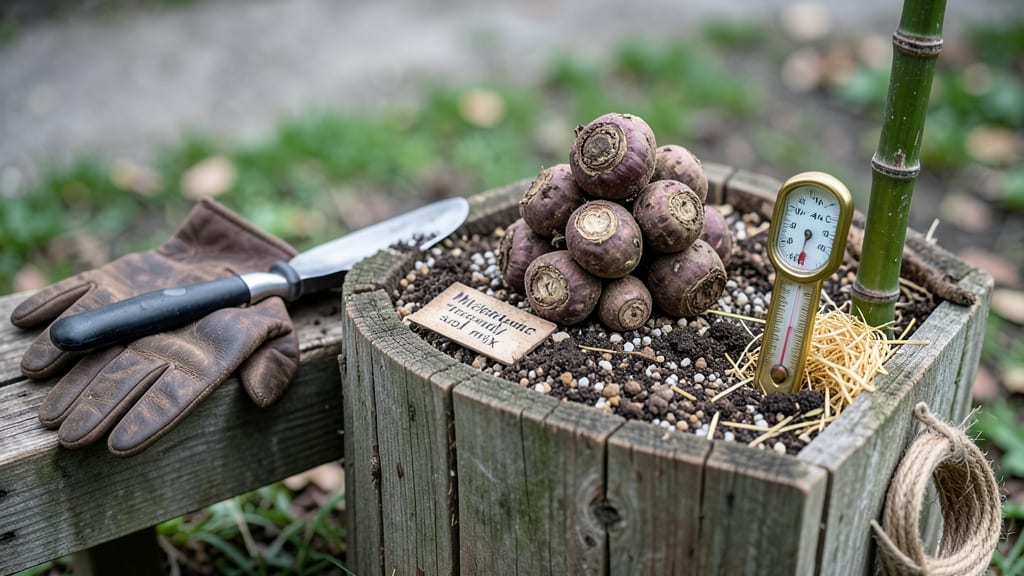
Planting dahlia bulbs in Michigan at the right time ensures bold, long-lasting blooms 🌼 that steal the show from July to October.
Michigan gardeners know timing is everything—and planting dahlias too early or late can mean the difference between a showstopping summer display and wasted effort.
The secret lies in waiting for soil temperatures to hit at least 50°F, usually mid-April to early May, after the last frost. But with Michigan’s varied USDA zones (5-6), your exact window depends on whether you’re in Detroit, Traverse City, or the Upper Peninsula.
Below, I break down the best planting dates, soil prep tricks, and how to stretch your dahlias’ season—so you get more blooms for longer without the guesswork.
Michigan’s ideal planting window for dahlias based on soil temperature
Michigan gardeners know that dahlias thrive when planted at the right moment—not too early when frost can still nip tender shoots, and not too late when summer’s peak blooms slip away.
The key lies in soil temperature, which should consistently stay above 50°F for at least a week before planting. This rule ensures your tubers wake up safely and grow roots before facing Michigan’s unpredictable spring weather.
Unlike many plants, dahlias are frost-sensitive once sprouted, but their tubers can handle cooler soil. The challenge? Michigan’s USDA zones 5-6 create regional variations—Detroit’s last frost typically arrives by mid-April, while the Upper Peninsula may wait until late May.
Your exact planting window depends on where you live and when your soil warms up.
To pinpoint your exact planting window, start by checking your local last frost date—this is your baseline. Then, use a soil thermometer (available for under $10) to confirm your soil has hit 50°F consistently for 5-7 days.
If you don’t have one, watch for dandelions blooming or cherry trees leafing out—these natural indicators often align with soil warming trends in Michigan.
For gardeners in USDA Zone 5 (like much of northern Michigan), I recommend waiting until mid-May to plant, even if frost dates suggest earlier. The risk of late frosts in these areas can stunt or kill young shoots, and dahlias won’t recover well.
In Zone 6 (southern Michigan), you can push the window to late April, but always have frost cloth ready for unexpected cold snaps.
Pro tip: If you’re eager to get a jumpstart, pre-sprout your tubers indoors 4-6 weeks before your target planting date. Place them in a shallow tray with potting mix, keeping them in bright light (but out of direct sun) until sprouts appear.
This gives you a 2-3 week head start on root development, ensuring your dahlias burst into bloom faster once planted outside.
Michigan’s microclimates can create big differences even within short distances. For example, Traverse City’s proximity to Lake Michigan often means warmer soil earlier than inland areas, while Detroit’s urban heat island effect can accelerate soil warming by 1-2 weeks.
Use these regional insights to adjust your timeline—always err on the side of caution if you’re unsure.
Once your soil hits 50°F and stays there, plant your dahlias 4-6 inches deep, spacing them 12-18 inches apart depending on the variety. Larger, standard-sized dahlias need more space, while dwarf varieties can be planted closer together.
After planting, water deeply to encourage root growth, and mulch with 2-3 inches of organic matter to retain moisture and regulate soil temperature.
Remember, dahlias planted too early may bolt (send up weak stems) or rot if soil stays too cold. Conversely, planting too late delays blooms, cutting your summer display short.
By aligning your planting with soil temperature triggers and regional frost dates, you’ll set your dahlias up for a long, vibrant season that rivals Michigan’s famous summer sunsets.
For extra peace of mind, I like to plant a few tubers a week apart. This staggered approach ensures you’ll have continuous blooms from early summer through fall, even if Mother Nature throws a curveball. And if you’re in a high
5 Signs your Michigan soil is ready for dahlia bulbs (before you plant)
Waiting for the perfect moment to plant dahlia bulbs in Michigan can feel like a guessing game—but it doesn’t have to be. The key lies in your soil’s hidden signals.
Unlike many plants, dahlias thrive when the ground is consistently warm, not just frost-free. Here’s how to read your soil’s cues before breaking ground.
Michigan’s USDA zones 5-6 demand precision. Planting too early risks frost damage to tender tubers, while waiting too long cuts your bloom time short. Luckily, nature provides foolproof indicators—no fancy tools required. Let’s decode them.
Use a soil thermometer (insert 2" deep) or test with your hand—if it feels like a warm bath, it’s ready. Dahlias need warmth to sprout, not just frost-free days.
These hardy weeds signal stable soil temps. When their bright yellow blooms appear, dahlias can follow—usually 2-3 weeks later.
Watch for tree leaf-out. When maple or oak leaves fully open (mid-April to early May in most of Michigan), your soil is primed for planting.
These soil indicators surface when temps hit 50°F+. Their presence means your soil is aerated and warm enough for dahlias.
Check your local frost-free date (mid-April in southern MI, early May in the UP), then add 14 days as a buffer. This ensures tubers won’t rot in chilly soil.
No soil thermometer? No problem. The dandelion test is my go-to—it’s free and reliable. I’ve planted dahlias the day after seeing their first blooms in my Detroit garden, and they’ve always thrived.
Pro tip: Pair these signs with cloud cover forecasts—plant on a cool, overcast day to reduce transplant shock.
Once you spot 3+ of these signs, your dahlias are ready. Plant tubers 4-6 inches deep, 12-18 inches apart, and water deeply. Within weeks, you’ll see emerging shoots—a sure sign your timing was perfect. 🌱
Remember: Michigan’s short growing season means every day counts. The earlier you plant (without risking frost), the longer your dahlias will bloom. Start watching for these cues now—your summer floral display depends on it! 🌼