
Plants
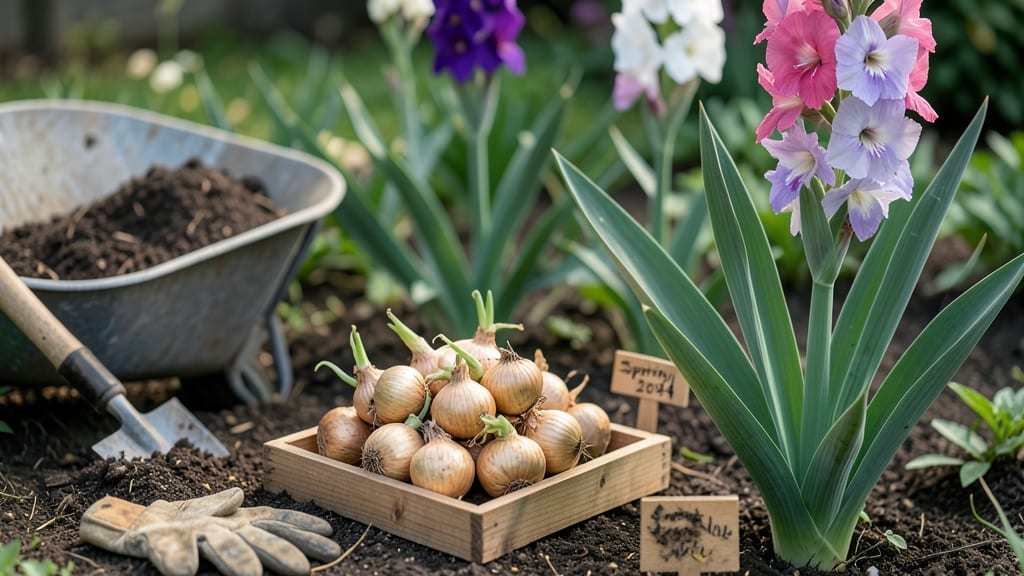
To plant gladiolus bulbs in Michigan, aim for mid-April to early May when soil temperatures hit 60°F and frost risk fades.
Michigan gardeners know timing is everything—and gladiolus bulbs demand precision to thrive in the Great Lakes' unpredictable climate. Plant too early, and frost will strike; too late, and you’ll miss the stunning summer blooms that make your garden the envy of the neighborhood.
These tall, show-stopping flowers need full sun and well-draining soil, but the real secret is getting them in the ground at the right moment. Skip the guesswork with soil thermometers and frost-free date tools tailored to your USDA Zone 5b-6b area.
Below, I’ll break down the exact window for northern vs. southern Michigan, plus post-planting care to ensure your 🌸 gladiolus stand tall and vibrant all summer long.
Michigan’s ideal gladiolus planting timeline by hardiness Zone
Gladiolus bulbs—known as corms—need precise timing in Michigan’s USDA Zones 4-6 to avoid frost damage and ensure vibrant summer blooms. The key is planting after soil warms to 60°F (15°C) and frost risk passes, which varies by zone.
Northern Michigan (Zone 4) has a shorter window than southern Michigan (Zone 6), where warmer soils arrive earlier.
For all zones, pre-chilling (6-8 weeks at 40-50°F) is critical for northern varieties. Skip this step in Zone 6, where milder winters reduce dormancy needs. Always check your last frost date—Michigan’s ranges from late April in the south to early June in the north.
Here’s your zone-specific planting calendar, including soil temperature thresholds and frost-free date targets:
Use a soil thermometer to verify warmth—planting too early in cold soil delays growth and invites rot. In Zone 6, you can even start early April with heat-loving varieties like ‘Green Star,’ but wait until May in Zone 4 for frost-sensitive types like ‘Picasso.’
For Zone 5 gardeners, aim for May 1-15 when daytime highs consistently reach 70°F (21°C). This timing balances frost risk with soil warmth, giving corms 120+ days to mature before fall frosts. Always plant 4-6 inches deep and space corms 6 inches apart for airflow.
Extend your blooming season by staggering plantings: start with early varieties in late April (Zone 6) and add late varieties 3-4 weeks later. This ensures continuous color from July through September. Use black plastic mulch in Zone 4 to warm soil faster—it can shave 2-3 weeks off your planting window.
After planting, water deeply to settle soil around corms, then maintain 1 inch of moisture weekly until spikes emerge. Reduce watering once buds form to prevent flopping stems.
In Zone 6, you can even plant a second crop in June for fall blooms, but avoid this in colder zones where first frosts arrive by October.
Pro tip: Mark your last frost date on your calendar and count backward. Gladiolus need 90-120 frost-free days to bloom—this dictates your planting deadline. In northern Michigan, this often means no later than June 1 for reliable blooms.
Remember: Michigan’s Great Lakes influence creates microclimates. If you’re near water, expect cooler soils—plant 2 weeks later than inland areas. Always monitor forecasts for late frosts, especially in May when temperatures can swing wildly.
5 Signs your Michigan gladiolus planting is perfectly timed
Gladiolus bulbs—called corms—are finicky about timing in Michigan’s unpredictable spring. The difference between a lush summer display and a frost-killed failure often comes down to these 5 key indicators. I’ve planted these dramatic bloomers for years, and these cues never fail me.
First, check your soil temperature. Gladiolus corms need the ground to warm to at least 60°F (15°C) before planting. Use a soil thermometer—don’t guess! Cold soil slows root growth, leaving your plants vulnerable to late frosts that still sneak into Michigan gardens in May.
Next, examine the corm firmness. Press your thumb into the corm—it should feel firm but slightly pliable, like a ripe avocado. If it’s rock-hard, it’s not ready; if it’s mushy, it’s been stored too long.
This test ensures your corms have the energy to sprout when conditions are ideal.
- 1
- 2
- 3
- 4
- 5
Don’t overlook companion planting cues. If your dahlias or cannas are already shooting up, it’s time for gladiolus too. These plants all crave the same warm soil conditions, so their sprouting signals align perfectly with your gladiolus planting window.
Finally, watch the daylength. Once days stretch past 14 hours (typically late May in Michigan), your gladiolus will respond with rapid flower bud formation. This ensures you’ll enjoy peak summer color before cooler fall temperatures slow growth.
When all five signs align, your gladiolus corms are ready to thrive. Plant them 4-6 inches deep in well-draining soil with full sun exposure, and you’ll be rewarded with stunning spikes of color from July through September. 🌸