
Plants
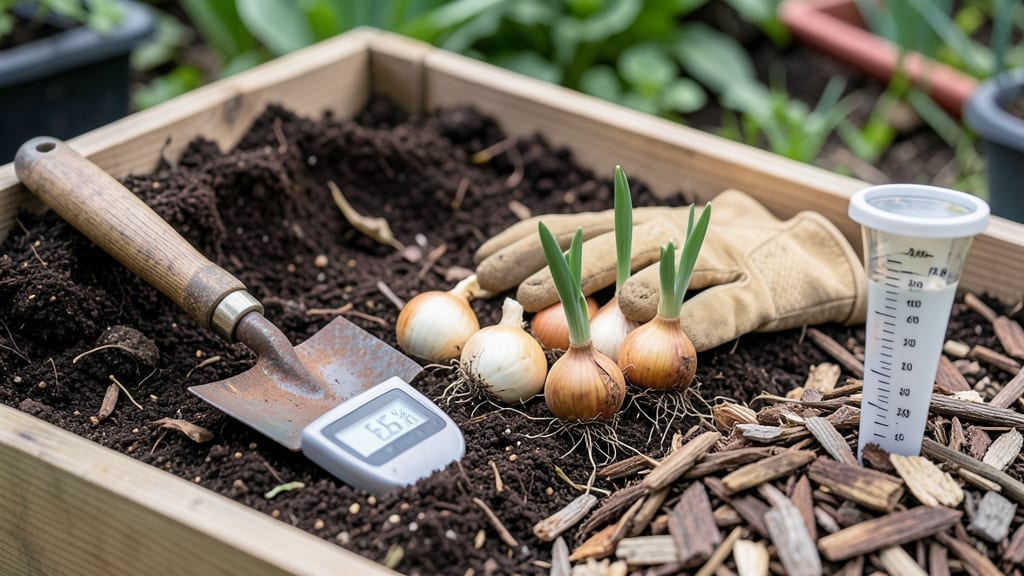
Planting daffodil bulbs in Michigan between September and November ensures they’ll root before the ground freezes, setting the stage for bright spring blooms that outshine even the toughest winter.
Michigan gardeners know timing is everything—plant too early, and they’ll rot; too late, and they won’t bloom. Get it right, and you’ll enjoy vibrant yellow trumpets in spring before most flowers even think about waking up.
This fall planting window isn’t just about avoiding frost—it’s about giving bulbs time to establish roots in USDA Zones 5b-6b, where cold snaps can turn a missed deadline into a wasted season.
Below, I’ll walk you through the exact dates, soil prep, and Michigan-specific tricks to guarantee your 🌼 daffodils return year after year—no guesswork, just guaranteed color.
Perfect planting windows for Michigan’s USDA Zones 5-6: fall timing explained
Michigan’s USDA Zones 5-6 create a unique challenge for daffodil growers. The 4-6 week window between soil cooling and frost arrival is critical—miss it, and your bulbs won’t establish roots before winter.
Unlike warmer climates, Michigan’s early frost dates (mid-October in most regions) demand precise timing to ensure bulbs get the 6-8 weeks of root growth they need before dormancy.
In Southern Michigan (Zone 6), you’ve got a slightly longer window—aim for mid-September through early November. But in Northern Michigan (Zone 5), the clock starts ticking earlier: late August to mid-October.
The key? Plant when soil temperatures drop to 40-50°F—cool enough for root development but not frozen.
Why fall? Daffodils need winter dormancy to bloom spectacularly. Planting too late leaves bulbs vulnerable to freeze-thaw heaving, while early planting risks rot from warm soil. Michigan’s variable microclimates mean your neighbor’s perfect timing might not work for you—always check your local first frost date.
Pro Tip: Use a soil thermometer. Daffodil bulbs thrive when planted in soil between 40-50°F. If your soil is still above 50°F in early September, wait a week or two. In Northern Michigan, this might mean starting as early as late August.
| Region | Ideal Planting Window | Soil Temp Threshold | Key Consideration |
|---|---|---|---|
| Southern Michigan (Zone 6) | Mid-September to early November | 40-50°F | Longer frost-free window; can plant later |
| Northern Michigan (Zone 5) | Late August to mid-October | 40-50°F | Earlier frost; plant ASAP after soil cools |
| Michigan’s Thumb/SE MI | Late September to mid-November | 45-50°F | Warmer microclimate; extend window |
| Upper Peninsula | Early September to early October | 40-45°F | Short season; prioritize early planting |
For Northern Michigan gardeners, think of early September as your deadline. By mid-October, most areas will see consistent freezing, and bulbs won’t have time to root.
In Southern Michigan, you’ve got a little more flexibility—early November plantings can still work if soil temps haven’t dropped below 40°F.
Don’t let Michigan’s variable weather throw you off. A 5-day forecast showing consistent temps below 60°F is your green light. If a heatwave hits in September, wait it out—warm soil encourages rot. Similarly, if unseasonably cold snaps arrive early, protect newly planted bulbs with a thick layer of mulch.
One Michigan-specific trick: Plant daffodils in containers or raised beds if your yard has poor drainage or heavy clay soil. This gives you more control over moisture and prevents bulbs from sitting in soggy soil over winter.
Just remember to bury containers deeply—daffodil bulbs need 6-8 inches of soil coverage for insulation.
After planting, water deeply to settle the soil around bulbs. In drought-prone years, a light mulch layer (2-3 inches) helps retain moisture without suffocating the bulbs. Come spring, you’ll be rewarded with bold blooms that emerge before snow melts—a true sign of successful fall planting.
Timing isn’t just about the calendar—it’s about reading your garden’s signals. Pay attention to soil moisture, local weather patterns, and even the color of your lawn (a green lawn in October means soil is still too warm).
With these cues, you’ll master Michigan’s fall planting window like a pro.
🌼
Critical mistakes to avoid when planting daffodils in Michigan’s climate
Planting daffodil bulbs in Michigan requires careful attention to depth, timing, and soil conditions. Many gardeners make costly mistakes that lead to poor blooms or bulb rot. The key is understanding how Michigan’s freeze-thaw cycles and deer pressure impact these hardy yet delicate plants.
First, planting too late in fall risks bulbs freezing before roots establish. Conversely, planting too early can encourage premature growth that gets damaged by frost. Michigan’s USDA Zone 5-6 climate demands precision—aim for 6 weeks before ground freezes, typically mid-September to early October.
⚠️ callout warning
- 🐦 Deer Damage: Use deer-resistant varieties (e.g., 'Ice Follies') or repellent sprays—deer adore daffodil bulbs!
- 🌡️ Heaving: Freeze-thaw cycles push bulbs upward. Plant 6" deep and mulch with 3" straw after planting.
- 💧 Poor Drainage: Michigan’s clay soil traps moisture. Amend with compost or plant on mounds.
Another common error is planting too shallow or too deep. Daffodils need 6 inches of soil above the bulb to protect them from frost heave. Shallow planting exposes bulbs to rodent damage and freeze injury, while over-deep planting stunts growth.
Ignore soil drainage at your peril. Michigan’s heavy clay soils can drown bulbs, causing rot. Before planting, mix in organic matter like compost or peat moss to improve aeration. If your soil is waterlogged, consider raised beds or slopes for better drainage.
Finally, don’t skip mulching after planting. A 3-inch layer of straw or pine needles insulates bulbs from temperature swings and suppresses weeds. In Northern Michigan, add mulch earlier (late September) to account for colder soils.
By avoiding these mistakes—precise timing, proper depth, and drainage focus—your daffodils will thrive and reward you with early spring blooms year after year. 🌼