
Plants
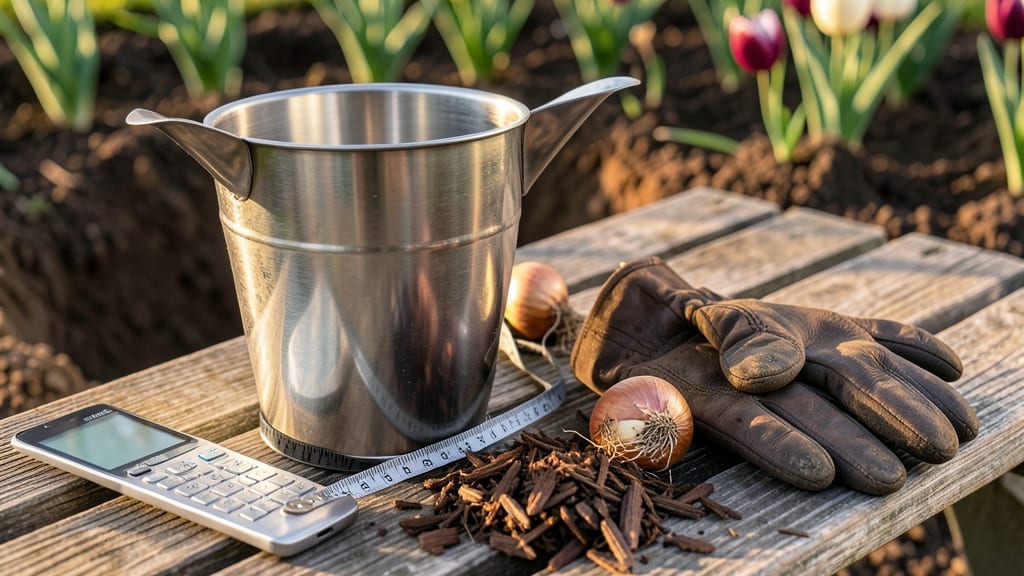
Planting tulip bulbs 🌷 in Michigan between October and November ensures they root before winter’s chill, setting the stage for stunning spring blooms.
Michigan gardeners know timing is everything—plant too early, and frost ruins them; too late, and they won’t bloom in spring. Mastering frost-date math guarantees vibrant blooms year after year.
With USDA zones 5b-6b, your window is short: aim for 4-6 weeks before the ground freezes (usually mid-November). Bulbs need 40-50°F soil to root, so check temperatures before digging.
Below, I’ll break down the exact frost-date math, soil prep tricks, and bulb depth secrets to make your tulips thrive—no guesswork, just perfect blooms.
Michigan tulip planting timeline: frost dates and soil temperature rules
Michigan’s USDA Zones 5b-6b create a tight window for planting tulip bulbs—too early, and they’ll rot in cold soil; too late, and they won’t root before winter. The key? Plant when soil temps hit 40-50°F and 4-6 weeks before ground freezes.
For most of Michigan, that means mid-October to early November, but your exact date depends on your county’s first frost average.
I’ve planted tulips for 15 years in Zone 6a, and I’ve learned the hard way: November 1st is my cutoff. After that, bulbs struggle to establish roots before the ground hardens.
Use Michigan State University’s frost date maps to pinpoint your local window—Northern Michigan (Zone 5b) plants 2-3 weeks earlier than Southern Michigan (Zone 6b).
Here’s the golden rule: Soil temperature + frost math. Tulip bulbs need 6-8 weeks to root before winter dormancy. If your soil stays above 40°F for 6+ weeks after planting, you’re golden. Below that? Risky business. Use a soil thermometer (they’re cheap!) to confirm temps before digging.
Avoid the September trap. While warm soil sounds ideal, planting too early means bulbs may sprout and freeze before winter. I once lost an entire bed of Darwin Hybrid tulips by planting in late September—don’t make my mistake.
Wait until after your first frost (usually mid-October) to start prepping your soil.
Pro tip: Adjust for microclimates. Gardens near large bodies of water or urban heat islands stay warmer longer. If you’re in Detroit or Ann Arbor, you might plant 1-2 weeks later than rural areas. Observe your garden’s last frost date for 3 years to create your own timeline.
Your soil type matters too. Sandy soil warms faster and cools quicker than clay. If you have heavy clay, plant 2 weeks earlier—it stays warmer longer. Amend your soil with compost or peat moss to improve drainage and warmth retention.
I mix in 1 part compost to 3 parts native soil for my tulip beds, and it’s made a noticeable difference in root development.
Don’t stress if you miss the ideal window. December planting is still possible if the ground isn’t frozen. Just cover bulbs with straw (4-6 inches thick) to insulate them. I’ve successfully planted in early December by watering the soil first
Best tulip varieties for Michigan’s climate: early vs late bloomers
Michigan’s short growing season demands strategic tulip choices—some varieties bloom early to beat late frosts, while others thrive with cooler spring temperatures. The key is matching bloom timing to your USDA Zone 5b-6b frost dates.
Early bloomers like Darwin Hybrids emerge in April, while late varieties like Parrot Tulips wait until May, ensuring at least one showstopper season.
For early bloomers, prioritize Fosteriana and Darwin Hybrids—both tolerate 20°F temperatures and push through snow for vibrant April displays. Their sturdy stems resist wind, a must for Michigan’s unpredictable spring weather.
Late bloomers like Parrot and Fringed Tulips handle cooler soils better, making them ideal for May gardens when frost risks fade.
| Variety | Bloom Time | Frost Tolerance | Height | Notes |
|---|---|---|---|---|
| Darwin Hybrids | Early April | 20°F+ | 18-24" | Bold colors, deer-resistant |
| Fosteriana | Late March | 15°F+ | 12-18" | Long stems, early blooms |
| Parrot Tulips | May | 25°F+ | 20-26" | Exotic petals, late season |
| Fringed Tulips | Mid-April | 20°F+ | 16-20" | Fringed edges, elegant |
| Double Late | May-June | 25°F+ | 18-24" | Full blooms, late season |
Michigan’s late frosts (often until May 15) favor late bloomers like Double Late Tulips, which emerge after the danger has passed. These varieties pack double-layered petals and thrive in cooler soils, making them perfect for northern gardens.
For a sequential bloom, mix early Fosteriana with late Parrot Tulips—this extends your spring color show from March through June.
Pro tip: Plant early bloomers in sheltered spots (near fences or walls) to trap heat and encourage earlier emergence. Late bloomers, however, perform best in open, sunny areas where they receive maximum light as days lengthen.
Always plant bulbs 6-8 inches deep—deeper for late varieties to protect against soil heaving during freeze-thaw cycles.
Don’t overlook deer resistance—Darwin Hybrids and species tulips (like Tulipa tarda) are less appealing to deer than fragrant varieties. For container gardening, choose dwarf tulips (under 12 inches) like Greigii or Kaufmanniana, which bloom early and handle Michigan’s temperature swings better in pots.
My top 3 picks for Michigan: ‘Apeldoorn’ Darwin Hybrid (vibrant red), ‘Black Parrot’ (dramatic purple-black), and ‘Queen of Night’ (deep burgundy). These varieties deliver bold color despite Michigan’s short bloom windows, and their frost tolerance ensures reliable spring performances year after year. 🌷