
Flowers
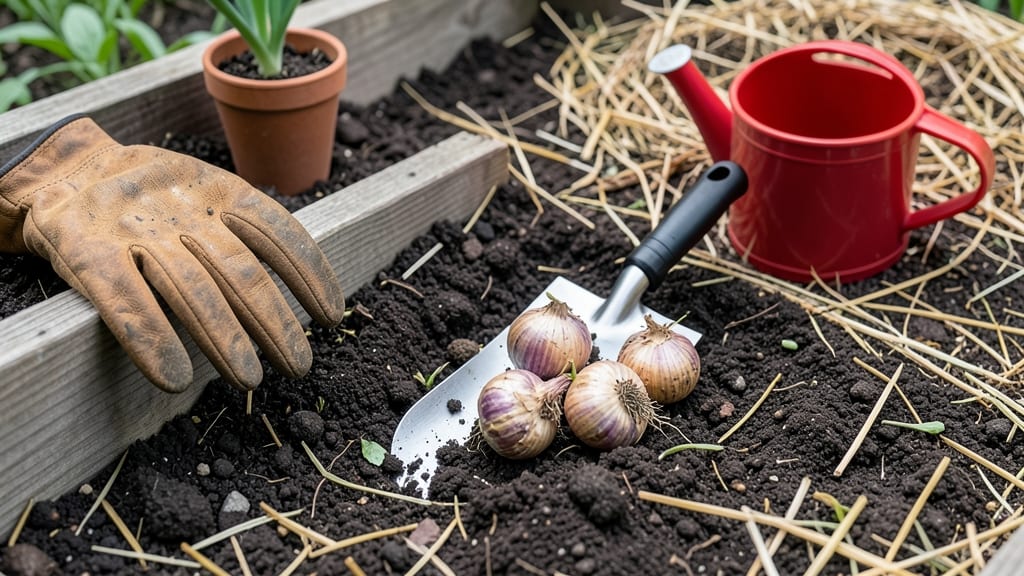
Planting flower bulbs 🌷 in autumn triggers the magic that brings spring blooms, but the 6-week window before your first frost is your only shot.
Miss it, and you’re stuck with either soggy, rotting bulbs or weak roots that won’t survive winter. Get it right, and you’ll wake up next spring to a garden bursting with tulips, daffodils, and crocuses—all without lifting a finger after planting.
Your USDA zone dictates the exact timing, but the rule of thumb is simple: aim for 6-8 weeks before the ground freezes. In Zone 6a, that’s late September to early November, but warmer climates (like Zones 7–10) can stretch it into December with a few tricks.
Below, I’ll break down the zone-by-zone schedule, soil prep secrets, and the 3 red flags that mean you’ve planted too late—so your bulbs get the perfect chill they need to thrive.
USDA Zone planting timeline: exact months to plant flower bulbs by region
Timing is everything when planting flower bulbs like tulips and daffodils—they need 6-8 weeks of cool soil before winter to root properly. The USDA zone you live in determines your exact planting window, with Zone 3 gardeners getting an early start and Zone 10 gardeners racing against mild winters.
Here’s your region-specific schedule to ensure vibrant spring blooms.
Most chill-loving bulbs thrive when planted in autumn’s cooler months, but the exact timing shifts by 1-2 months depending on your zone. For example, Zone 4 gardeners should plant by mid-October, while Zone 8 gardeners can wait until November.
Miss the window, and your bulbs may rot or fail to bloom next spring.
Below is your zone-by-zone planting timeline, including exceptions for cold-hardy varieties (like crocuses) and tender bulbs (like dahlias) that need special care. Pro tip: Use a soil thermometer to confirm temps are below 60°F—the magic threshold for bulb dormancy.
For Zone 3–4 gardeners, the earliest you can plant is mid-September, but wait until after Labor Day to avoid early frost damaging tender roots. Daffodils and crocuses are your safest bets—they handle sub-zero temps with ease.
In Zone 5–6, focus on October planting; by November 1, the window closes for most bulbs.
If you’re in Zones 7–8, your planting window stretches into December, but tender bulbs like dahlias need extra care.
Pre-chill them in the fridge for 6–8 weeks before planting, or mulch heavily to simulate winter. Zone 9–10 gardeners have the latest start—some bulbs (like paperwhites) can even be planted in January for spring blooms.
One critical exception: Hyacinths and tulips planted in Zone 9–10 may need artificial chilling (like a garage fridge) to trigger blooming. For all zones, plant depth matters: bury bulbs 3x their height (e.g., a 2-inch tulip bulb goes 6 inches deep).
Don’t forget to water deeply after planting—this helps roots establish before winter. In dry climates, a slow-release fertilizer at planting time gives bulbs a nutrient boost. And if frost hits early, cover newly planted beds with straw mulch to protect tender shoots.
Pro move: Mark your planting dates on a calendar and set reminders. Next year, you’ll nail the perfect timing every time—no more missed windows or rotten bulbs! 🌱
5 Signs your autumn bulb planting is perfect (or a disaster)
Planting flower bulbs in autumn is like catching a window—too early, and they’ll rot in warm soil; too late, and they won’t root before winter. But how do you know if you’ve nailed the timing?
Here’s how to spot the perfect planting conditions (or critical red flags) before you even dig the first hole.
First, check your soil temperature. Ideal autumn planting happens when soil cools to 60°F (15°C)—this triggers bulb dormancy. Use a soil thermometer to confirm; if it’s still above 65°F (18°C), wait a week or two.
Cold soil signals the bulb it’s time to root, setting the stage for spring blooms.
Next, verify your frost dates. Plant bulbs 6–8 weeks before the first hard frost—this ensures roots establish before winter. Check your USDA zone; for Zone 5, aim for mid-September, while Zone 8 gardeners should plant by early November.
Miss this window, and you risk weak roots or no blooms next year.
- 1 Soil Temperature: 60°F (15°C) or cooler—use a thermometer to avoid warm-soil rot.
- 2 Frost Window: Plant 6–8 weeks before first frost—check your USDA zone for exact dates.
- 3 Bulb Condition: Firm, dry, and no sprouts—discard any bulbs with soft spots or mold.
- 4 Soil Drainage: No standing water—test by digging a hole; if it fills in 6 hours, amend with compost.
- 5 Red Flag: Premature sprouts or soggy soil = you’ve missed the window. Refrigerate bulbs or replant next autumn.
Now, inspect your bulbs themselves. Healthy bulbs should feel firm and dry, with no signs of mold or sprouts. If you spot soft spots or a musty smell, toss them—they’re already rotting.
Store any questionable bulbs in a cool, dark place for a week to see if they firm up before planting.
Pay attention to soil drainage—this is where many gardeners go wrong. Dig a small hole and fill it with water; if it drains in 6 hours or less, your soil is ready.
If water pools, amend with organic matter like compost or sand. Soggy soil suffocates bulbs, leading to rot before they even sprout.
Finally, watch for red flags like premature sprouting or mushy soil. If your bulbs start growing before winter, they’re not dormant and won’t survive. Similarly, if the ground feels too soft or sticky, it’s too late—bulbs need stable, cool soil to root.
In this case, refrigerate bulbs for 4–6 weeks to mimic winter, then replant.