
Flowers
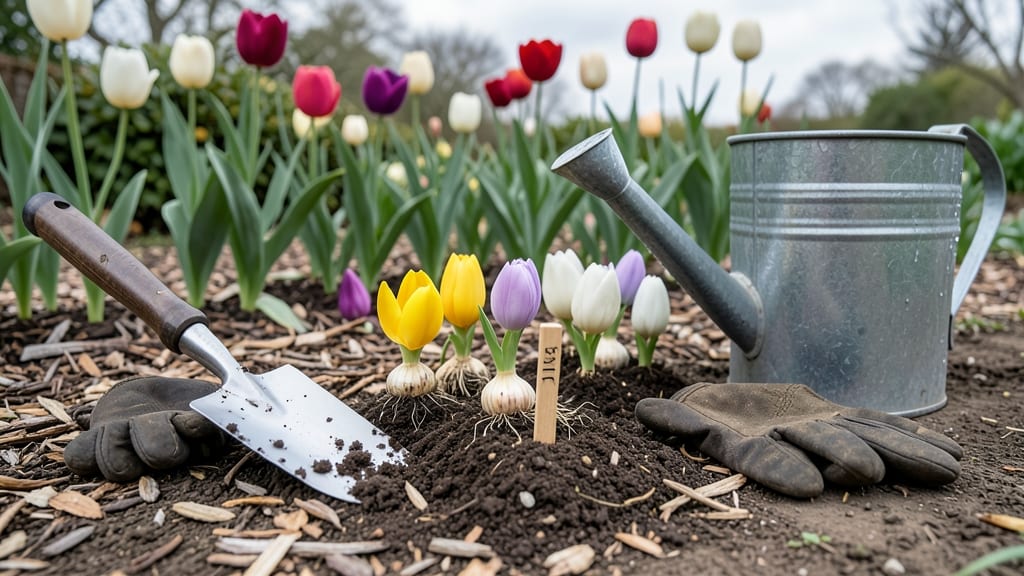
Planting flower bulbs in the spring is all about timing—especially for chill-hardened varieties like tulips and daffodils that need a precise window to bloom reliably.
Timing your flower bulb planting just right in spring can mean the difference between a showstopping garden and a missed opportunity—especially when dealing with chill-hardened varieties that demand precision.
Most gardeners wait until after the last frost date, but soil temperature matters just as much. Cold soil can stunt root growth, while warm soil too early might trigger premature sprouting.
I’ll walk you through how to read your local frost dates, adjust for your USDA zone, and even use soil thermometers to nail the perfect moment.
You’ll also discover the best bulbs for spring planting, how deep to bury them, and a few pro tips to keep your blooms coming back year after year—no guesswork required.
Spring planting timeline for flower bulbs by chill requirements
Timing your flower bulb planting just right in spring can mean the difference between a showstopping garden and a missed opportunity—especially when dealing with chill-hardened varieties like tulips and daffodils.
These bulbs need a specific number of chill hours (typically 30-60°F) to bloom reliably, and planting too early or late can disrupt their natural cycle. Understanding your USDA zone and last frost date is key to avoiding dormancy issues or premature sprouting.
Most gardeners assume spring planting is the only option, but the truth is, fall planting (6-8 weeks before the ground freezes) is ideal for spring blooms. However, if you missed that window or live in a mild climate, strategic spring planting can still yield beautiful results.
The trick lies in matching bulb types with your region’s chill requirements and adjusting for soil temperature—typically 40-50°F for optimal root growth.
Chill hours are the secret sauce for reliable blooms. For example, tulips need 12-16 weeks of chill, while daffodils thrive with just 8-12 weeks. Hyacinths and crocuses fall in between, requiring 10-14 weeks. If you’re in USDA Zone 5 or colder, your bulbs likely got enough chill over winter, but gardeners in Zones 7-9 may need to refrigerate bulbs or plant earlier to mimic winter conditions.
| Bulb Type | Chill Hours Needed | Ideal Planting Window (Spring) | USDA Zones | Notes |
|---|---|---|---|---|
| Daffodils | 8-12 weeks | Late Feb - Early April | 3-9 | Early bloomers; tolerate partial shade |
| Tulips | 12-16 weeks | Early March - Mid-April | 4-8 | Need full sun; refrigerate bulbs in warm climates |
| Hyacinths | 10-14 weeks | Mid-March - Early April | 5-8 | Fragrant; plant in clusters for impact |
| Crocuses | 6-10 weeks | Late Feb - Early March | 3-9 | Early bloomers; great for pollinators |
| Alliums | 10-14 weeks | Early March - Mid-April | 4-9 | Drought-tolerant; unique globe shapes |
If you’re in USDA Zone 7 or warmer, your last frost date might be as late as March, meaning you can plant bulbs in late February without risking frost damage.
For Zones 3-5, where frost lingers until mid-April, aim to plant by early April to give roots time to establish before summer heat sets in. Always check your local extended forecast—a late frost can stunt young shoots, so avoid planting when nighttime temps dip below 40°F.
Soil temperature is just as critical as air temperature. Use a soil thermometer to confirm your garden bed is at least 40°F before planting. Cold soil can delay root growth, while soil that’s too warm may cause bulbs to sprout prematurely.
In containers, bulbs are more vulnerable to temperature swings, so place pots in a sheltered spot or use mulch to insulate the soil. Pro tip: Plant daffodils first—they’re the most cold-hardy and can handle early spring planting.
For gardeners in mild-winter regions (Zones 9-10), spring planting is your only option, but you’ll need to pre-chill bulbs for 8-12 weeks in the fridge before planting. Wrap bulbs in a
How to use frost dates and soil temperature to perfect your planting schedule
Timing your spring flower bulb planting isn't just about guessing—it's about understanding your local frost dates and soil temperature to give bulbs the best chance to thrive. Chill-hardened varieties like tulips and daffodils need precise conditions to establish roots before winter dormancy.
One wrong move, and you might end up with weak blooms—or worse, no blooms at all. Let's break down how to nail the perfect window for planting.
Start by checking your last frost date for your region, which you can find through the USDA Plant Hardiness Zone Map or local gardening resources. This date marks the cutoff for planting most spring bulbs.
For example, in Zone 5, the last frost typically falls around April 15, while in Zone 8, it might be as late as March 1. Planting too early can expose bulbs to frost damage, while waiting too long delays root growth.
-
Step 1: Confirm Your Last Frost Date
Use the USDA Zone Map or local weather reports to pinpoint your average last frost date. Add 2-4 weeks to this date to calculate your safe planting window for most bulbs.
-
Step 2: Test Soil Temperature
Use a soil thermometer to check if your soil is between 50°F and 60°F. Bulbs like tulips and hyacinths need cooler soil to establish roots before winter. If the soil is warmer, wait a few days.
-
Step 3: Adjust for Moon Phases
Plant during the waxing moon (just after the new moon) to encourage root growth. This traditional method aligns with the natural energy of the earth and can improve bulb establishment.
-
Step 4: Plant 6-8 Weeks Before First Frost
For most spring bulbs, aim to plant 6-8 weeks before your first frost date. This gives roots time to grow but prevents bulbs from sprouting too early. For example, in Zone 6, plant by September 15 for a frost date of November 15.
-
Step 5: Monitor Post-Planting Conditions
After planting, keep soil moist but not soggy and mulch lightly to retain warmth. Avoid fertilizing until spring sprouting begins, as bulbs need to focus on root growth first.
Don't overlook the role of moon phases in your planting schedule. Many gardeners swear by planting bulbs during the waxing moon (the period between the new moon and full moon), as this phase is believed to enhance root development.
While science doesn't fully back this practice, it’s a great way to align with natural rhythms and can serve as a helpful reminder to plant at the right time.
Once you've planted, keep an eye on the weather. If an unexpected early frost is forecasted, cover bulbs with a layer of straw or mulch to protect them. This extra step can save your bulbs from damage and ensure they bloom beautifully next spring.
With the right timing, your garden will reward you with vibrant tulips, daffodils, and other spring favorites year after year.
For a foolproof approach, combine your frost date, soil temperature, and moon phase insights into a single planting plan. Start by marking your calendar with the safe planting window, then adjust based on real-time soil conditions.
This method ensures your bulbs get the head start they need to thrive, even in unpredictable climates.