
Plants
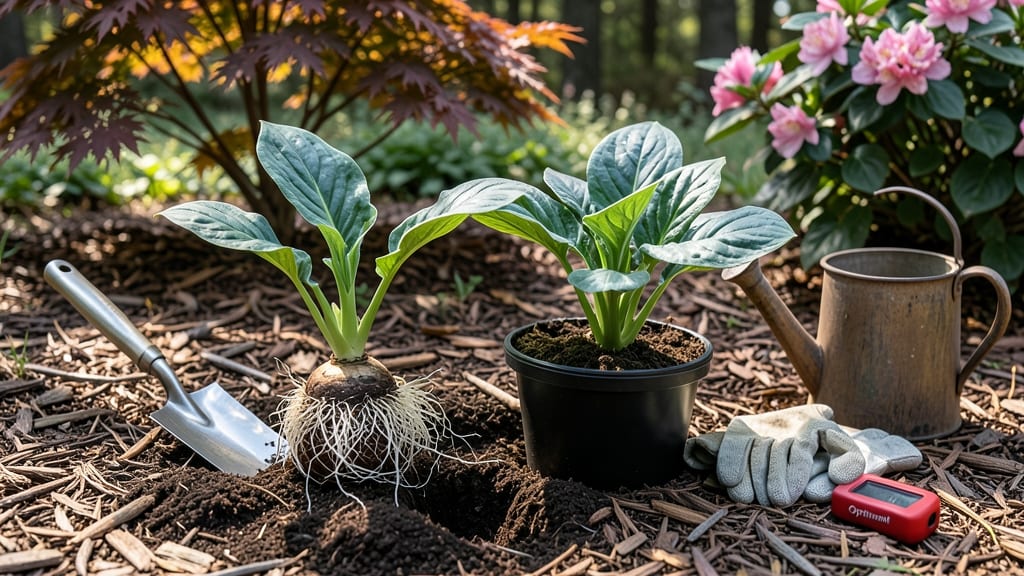
Planting hosta bulbs in Zone 7 when soil temperatures hit 50–60°F ensures fast root growth and vibrant foliage before summer heat sets in.
If you’ve ever watched your hosta 🌿 struggle to take hold after a late spring frost—or worse, wilt under July’s blazing sun—you know timing is everything. The difference between a thriving shade garden and a slow-to-establish mess often comes down to when you put those rhizomes in the ground.
Zone 7’s mild winters and hot summers mean you’ve got two ideal windows: early spring (March–April) or fall (September–October), when soil stays cool enough to prevent stress. But there’s a trick to it—soil temperature matters more than the calendar date, and I’ll show you how to read the signs.
In this guide, you’ll discover the exact soil temp triggers, how to prep your hosta bulbs for Zone 7’s humidity, and which varieties handle heat best. Let’s get those hostas off to a fast start!
Optimal planting windows for hosta bulbs in Zone 7 based on soil temperature
Timing your hosta bulb planting in Zone 7 is all about soil temperature—aim for 50-60°F for best root establishment. Planting too early risks frost damage, while waiting too late can stress young plants before winter.
Let’s break down the ideal windows and how to adjust for Zone 7a vs. 7b microclimates.
Hostas thrive when planted in either early spring or fall, but the key is soil warmth, not just calendar dates. In Zone 7a (colder microclimate), focus on April-May or September-October, while Zone 7b (warmer) can extend planting into late May or early November.
Always check soil temps with a probe—50°F is the magic number for root growth.
| Planting Window | Soil Temp (°F) | Zone 7a Timing | Zone 7b Timing | Key Consideration |
|---|---|---|---|---|
| Early Spring | 50-60°F | Mid-April to May 15 | Late March to May 30 | Avoid frost; mulch after planting |
| Fall | 50-60°F | September 15 to October 15 | September 1 to November 1 | Plant 6 weeks before first frost |
| Late Spring (Zone 7b only) | 55-65°F | Not recommended | June 1-15 (with extra water) | Risk of heat stress; keep soil moist |
For spring planting, wait until nighttime temps stay above 45°F—this prevents crown rot from lingering frost. In Zone 7a, this often means waiting until mid-April, while Zone 7b gardeners can start as early as late March.
Use a soil thermometer to confirm—50°F is the sweet spot for root development.
Fall planting offers a second chance, but timing is critical. In Zone 7a, wrap up by October 15 to allow roots to establish before winter. Zone 7b gardeners have until early November, but avoid planting when soil temps drop below 50°F.
Mulch heavily (3-4 inches) to insulate roots during winter.
Microclimates play a huge role in Zone 7. If your garden sits in a low-lying area or near water, it may stay cooler longer—adjust planting dates 1-2 weeks later. Conversely, south-facing slopes warm up faster, so you might plant 2 weeks earlier without risking frost damage.
One common mistake is planting hosta rhizomes (often sold as "bulbs") when soil is still cold. Roots won’t activate below 50°F, leaving plants vulnerable to slugs and fungal diseases.
Always soak rhizomes for 24 hours before planting to kickstart root growth, then plant with the crown 1-2 inches below soil.
Pro tip: Container-grown hostas can handle slightly later planting than bare-root rhizomes. If you’re buying potted plants, you can extend your Zone 7b fall window into early November, as their established roots are less sensitive to cold. Just avoid planting when soil temps drop below 40°F.
Remember, hostas multiply fast—even a slight delay in planting won’t ruin your garden. But for the fastest establishment and most vibrant foliage, stick to the 50-60°F soil temp rule and adjust for your local microclimate.
Your Zone 7 shade garden will thank you with lush, healthy growth all season.
🌿
How to prepare hosta bulbs for planting in Zone 7’s humid climate
Zone 7’s humid summers and rich soils create perfect conditions for hostas—but only if you prepare properly. These plants thrive when planted at the right soil temperature (50-60°F) and given the right organic amendments to prevent fungal issues.
I’ve learned that skipping soil prep here means slugs and rot will take over before your hostas even sprout!
Start by choosing healthy rhizomes (not true bulbs—hostas grow from thick underground stems). Look for firm, plump crowns with multiple eyes (growth points). Avoid any that feel mushy or have black spots, as these signal rot.
If storing before planting, keep them in a cool, dry place wrapped in peat moss until you’re ready to plant.
Zone 7’s high humidity demands extra attention to soil drainage. Amend your garden beds with compost and perlite (1 part perlite to 3 parts soil) to improve aeration. Hostas hate soggy roots, and our climate’s frequent rains make this a real risk.
A quick soil test for pH (aim for 6.5–7.5) ensures nutrients are available without locking out essential minerals.
After planting, mulch heavily (3 inches of shredded bark or pine needles) to keep roots cool and suppress weeds. This is critical in Zone 7’s heat—mulch reduces soil temperature by up to 10°F, protecting young roots.
I’ve found that organic mulches also attract beneficial insects that prey on slugs, a common hosta pest in humid climates.
Watering schedules change with the seasons. In spring and fall, water deeply 2–3 times per week to encourage root growth. Switch to once-weekly deep watering in summer, as hostas enter a semi-dormant state during heatwaves.
Always water in the morning to let foliage dry before nightfall, reducing fungal risks like powdery mildew.
Finally, consider companion planting to boost your hostas’ resilience. Pair them with ferns or astilbes to create a microclimate with higher humidity, which they love. Avoid planting near daylilies, which can compete aggressively for nutrients.
With these steps, your hostas will establish quickly and thrive year after year in Zone 7’s challenging climate! 🌿