
Plants
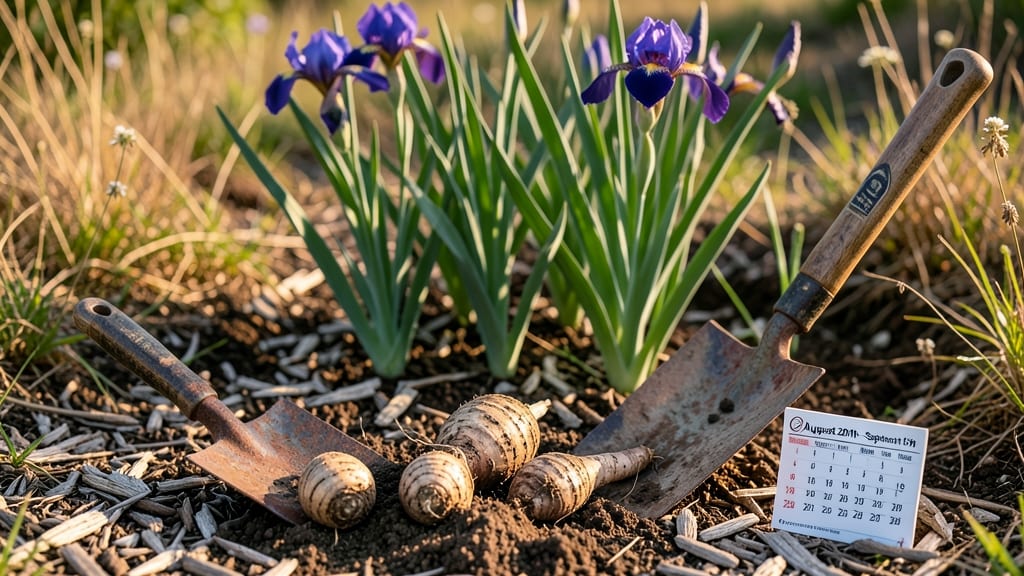
To plant iris bulbs in Kansas, aim for late summer to early fall — between August and October — when soil temperatures drop below 70°F but before the first frost.
Kansas gardeners know timing is everything — plant iris bulbs too early, and they’ll rot; too late, and your blooms may never arrive. But with USDA Zones 5b-7a’s unpredictable swings, when exactly should you plant?
The answer depends on your zone, soil readiness, and whether you’re dealing with rhizomes or true bulbs.
Most gardeners in Kansas swear by September planting, when the heat of summer has passed but the ground stays warm enough for roots to establish before winter.
However, in Zone 7a, you might push planting into early October, while Zone 5b gardeners should plant by late August to avoid frost.
Below, I break down the exact window for each zone, how to test soil readiness, and the one trick to extend your planting season if fall arrives early. Your irises will thank you with bold, vibrant blooms next spring.
Kansas iris planting timeline by USDA Zone (with exact months for success)
Timing your iris rhizomes in Kansas isn’t just about avoiding frost—it’s about catching the sweet spot between soil warmth and dormancy. In USDA Zones 5-7, a 2-week window separates success from disappointment, and missing it can mean weak blooms or wasted plants.
Let’s break down the exact months for each zone, including how Kansas’ microclimates (like wetter eastern areas vs. drier west) shift your ideal timing.
First, clarify the confusion: irises grow from rhizomes, not bulbs. These thick, fleshy roots need well-draining soil and 6-8 weeks of warm weather to establish before winter. Plant too early, and they’ll rot; too late, and they won’t bloom.
The key is soil temperature—aim for 50-60°F at planting depth (4 inches down). In Kansas, that typically lands in late August to mid-October, but your exact window depends on your zone.
Kansas spans Zones 5b-7a, with Zone 5b in the north (e.g., Hays) and Zone 7a in the southeast (e.g., Pittsburg). A 2-week difference in planting timing can mean the difference between vibrant blooms and struggling rhizomes.
Below, I’ve mapped out the exact months for each zone, plus how to adjust for Kansas’ unpredictable fall weather.
⚠️ PRO TIP: Kansas’ clay-heavy soils can trap moisture, causing rhizome rot. Amend with compost or sand to improve drainage before planting. This is non-negotiable in Zone 6 and 7, where humidity lingers longer.
Notice how Zone 7a can plant 2 weeks later than Zone 5b? That’s why gardeners in Pittsburg might plant in early October while those in Hays should finish by mid-September. But here’s the catch: Kansas’ fall weather whiplash can throw off even the best-laid plans.
A 50°F dip in September can stall rhizome growth, so always check a 7-day forecast before planting.
For maximum bloom strength, aim to plant 3-4 weeks before your first frost date. This gives rhizomes time to root deeply before winter. In Zone 6, that’s usually mid-September, but in Zone 7, you might stretch it to early October.
Pro tip: Use a soil thermometer to confirm temps—below 50°F and rhizomes won’t thrive.
What about spring planting? Some gardeners swear by it, but in Kansas, it’s a gamble. Rhizomes need 6-8 weeks of warm soil to establish, and spring’s unpredictable rains can rot them before they root.
If you must plant in spring, do it as soon as soil warms to 50°F in March/April—but expect fewer blooms that first year.
Kansas’ microclimates also play a role. Eastern KS (humid, clay-heavy) needs earlier planting to avoid fungal issues, while western KS (drier, warmer) can wait longer.
If you’re in Zone 6 or 7 and fall drags on, consider row covers to extend the season—just remove them if temps drop below 40°F.
Finally, rhizome prep matters. Soak them in water for 24 hours before planting to jumpstart root growth. Then, plant with the top visible—never bury them completely.
This ensures they get sunlight for photosynthesis, even in winter. In Kansas’ harsh winters, this trick can mean the difference between survival and loss.
Ready to plant? Grab your soil thermometer, check your zone, and mark your calendar for the exact dates above. Your iris blooms next spring will thank you! 🌸
5 Critical signs your Kansas soil is ready for iris bulbs (and when to adjust)
Kansas’ clay-heavy soils and unpredictable frost dates make timing iris bulb planting tricky. But these 5 soil readiness signs will tell you when to dig in—or when to adjust your approach. First, check if your soil has cooled to 60°F (15°C) at 4-inch depth, the ideal temperature for rhizome establishment.
Next, look for moist but not soggy soil—iris roots need good drainage but hate waterlogged conditions. Kansas’ heavy clay can trap moisture, so amend with organic matter like compost or sand if needed.
A simple finger test works: press your finger into the soil; if it holds shape but isn’t sticky, it’s ready.
Here’s what to watch for before planting:
If your soil isn’t ready but you’re eager to plant, cold stratification can help. Store rhizomes in a paper bag in your fridge (35-40°F) for 4-6 weeks to mimic winter.
For late-season delays, mulch with straw or leaves to insulate roots and extend the planting window by 2-3 weeks.
Kansas’ clay soils can also slow drainage, so raise beds if your yard floods easily. Plant rhizomes with the top half exposed to prevent rot—a trick that works especially well in heavy clay.
Adjust your timing based on these signs, and your irises will thank you with bold blooms next spring! 🌸