
Plants
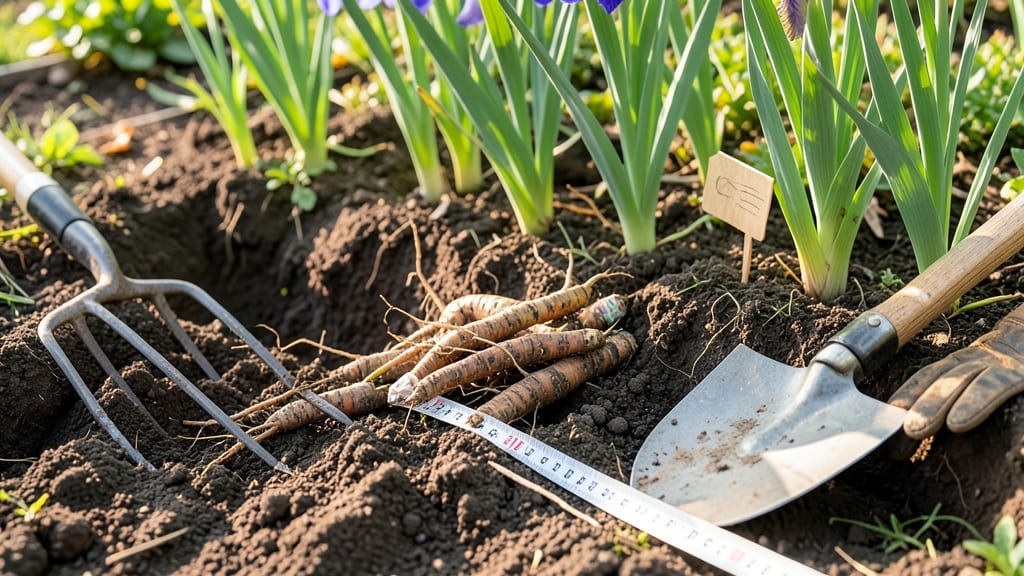
Planting iris bulbs in Minnesota requires a precise window—late summer to early fall—when soil temps cool but frost hasn’t arrived yet.
Minnesota gardeners know timing is everything—plant iris bulbs too early, and frost will kill them; too late, and they won’t bloom in time. Mastering the frost-free window in Zone 5B ensures vibrant purple blooms year after year.
Unlike warmer climates, Minnesota’s short growing season and unpredictable frosts demand careful planning. The ideal planting window (August–September) balances soil warmth and frost risk, while spring planting is riskier unless you’re prepared for late cold snaps.
Below, I’ll break down the exact frost-free window, soil prep tricks for Minnesota’s clay-heavy soils, and how to protect your 🌸 iris through winter—so you get blooms that outshine the snow.
Optimal planting timeline for Minnesota iris bulbs (zone 5B)
In Minnesota’s Zone 5B, iris bulbs—technically rhizomes—thrive when planted during the 6-week frost-free window between late summer and early fall. This timing lets roots establish before winter dormancy, ensuring vibrant spring blooms the following year.
The key is planting when soil temperatures drop below 70°F but stay above freezing, typically between mid-August and mid-September.
Fall planting is ideal because cool temperatures reduce stress on rhizomes, while winter’s snow cover provides natural insulation. However, if you miss this window, late spring planting (April-May) is possible, though blooms may be delayed or less robust.
The tradeoff? Spring-planted iris may need extra care to handle Minnesota’s unpredictable frost returns.
Soil temperature is your best guide—use a soil thermometer to confirm it’s between 50°F and 60°F before planting. In Minnesota, this usually aligns with late August, when daytime highs dip into the 70s°F and nights cool down. Waiting too long risks rhizomes rotting in cold, wet soil.
Here’s the critical comparison: Fall planting (August-September) gives iris a 3-month head start on root growth, while spring planting (April-May) forces them to establish roots and blooms simultaneously—double the work for your plants. Minnesota’s short growing season makes fall the safer bet for reliable blooms.
| Planting Window | Soil Temp Requirement | Minnesota Months | Bloom Timing | Key Consideration |
|---|---|---|---|---|
| Late Summer (Fall) | 50°F–60°F | August–September | Next spring (May–June) | Best for root establishment |
| Late Spring | 55°F+ (frost-free) | April–May | Same year (delayed) | Risk of frost damage |
| Early Fall (Ideal) | 60°F–70°F | Mid-August | Next spring (peak blooms) | Balances root growth and frost protection |
Watch for Minnesota’s seasonal cues: daylight shortening in August signals it’s time to plant. Aim for 6 weeks before your first frost date (typically October 10 in Zone 5B).
If you’re unsure, err on the earlier side—rhizomes planted in mid-August have time to root deeply before winter, while those planted in late September may struggle in cold, wet soil.
Pro tip: Use mulch (2–3 inches of straw) after planting to insulate rhizomes and retain moisture. In Minnesota’s clay-heavy soils, this extra layer prevents temperature fluctuations that can stress iris roots. Remove mulch in early spring to avoid suffocating new growth as temperatures rise.
Spring planting is only recommended if you’re adding iris to a new garden bed or missed the fall window. Plant as soon as soil is workable (usually mid-April), but be prepared for delayed or smaller blooms.
Harden off rhizomes by storing them in a cool, dark place (like a garage) for 2 weeks before planting to mimic winter dormancy.
For Minnesota gardeners, the 6-week window between August 15 and September 30 is your best bet. This aligns with soil temperatures dropping below 70°F while still allowing roots to establish before frost. Miss it? Don’t panic—spring planting works, but expect to babysit your iris through Minnesota’s unpredictable spring weather.
Remember: Iris rhizomes are not true bulbs—they’re thick, fleshy roots that store nutrients. Plant them with the top half exposed and only 1–2 inches of soil covering the bottom half. This airflow prevents rot, a common issue in Minnesota’s damp springs. 🌸
Step-by-step guide: preparing soil and planting iris bulbs in Minnesota
Minnesota’s clay-heavy soils and short growing season demand special care when planting iris bulbs. Unlike sandy soils, clay retains moisture longer, which can suffocate iris rhizomes if not amended properly.
I’ve learned the hard way—skipping soil prep leads to poor drainage and rot. Let’s fix that with a foolproof method tailored to Zone 5B conditions.
Start by selecting a sunny location with at least 6 hours of direct sunlight. Irises thrive in full sun, and Minnesota’s long winters mean they’ll need all the light they can get to establish strong roots before dormancy.
Avoid low-lying areas where cold air pools, as spring frosts can delay blooming or damage emerging foliage.
Now for the step-by-step process—this is where Minnesota gardeners often stumble. Follow these exact steps to ensure your irises bloom reliably year after year, even in our unpredictable climate.
- 1 Test and amend your soil: Minnesota’s clay soil often has a pH of 6.5-7.5, which is ideal for irises. Use a soil test kit to confirm. If compacted, mix in 2-3 inches of compost or sand to improve drainage. Irises hate soggy roots!
- 2 Choose the right time: Plant iris rhizomes in late summer to early fall (August-September). This gives roots time to establish before winter. Avoid spring planting—Minnesota’s late frosts can damage tender new growth.
- 3 Prepare the planting hole: Dig a trench 6 inches deep and 12 inches wide. Space rhizomes 12-24 inches apart—closer spacing works for dwarf varieties, while standard irises need room to spread. Minnesota’s clay soil can compact easily, so loosen the bottom of the trench with a fork.
- 4 Plant rhizomes correctly: Place rhizomes in the trench with the top half exposed and only 1-2 inches of soil covering the bottom half. This prevents rot in Minnesota’s wet springs. Ensure the fan of roots faces downward—this is critical for proper growth.
- 5 Water lightly after planting: Give the soil a gentle soak to settle the rhizomes. Avoid overwatering—Minnesota’s heavy clay can hold too much moisture. Let the soil dry slightly between waterings until new growth appears in spring.
- 6 Mulch for winter protection: Apply a 2-inch layer of mulch (straw or shredded leaves) after the ground freezes. This insulates rhizomes from Minnesota’s harsh winters while allowing airflow to prevent rot. Remove mulch in early spring before new shoots emerge.
After planting, resist the urge to fertilize until early spring. Irises are low-maintenance perennials, and over-fertilizing in fall can encourage tender growth that won’t survive winter. Instead, add a light layer of compost around the rhizomes in May after the last frost date (typically May 10 in Minnesota).
With proper soil prep and planting techniques, your irises will reward you with vibrant blooms in late spring, often appearing as early as May. The key is patience—Minnesota’s short growing season means irises need time to establish before they’ll flourish.
Once they’re settled, they’ll naturalize and multiply, creating stunning clumps of color for decades with minimal care.
🌸