
Plants
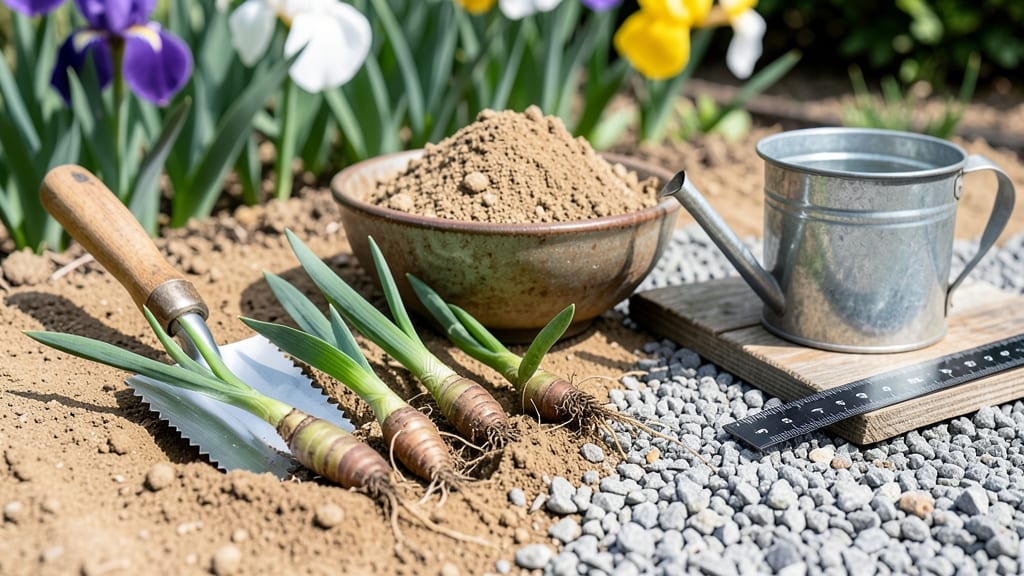
Planting iris bulbs in Zone 9 during late summer is the key to vibrant blooms next spring 💜 — timing matters more than you think.
Struggling to get your iris bulbs to thrive in Zone 9’s scorching summers? Planting at the wrong time can mean weak blooms—or no blooms at all.
The secret to lush, vibrant irises lies in understanding the exact window for planting in late summer, when heat stress fades and roots establish effortlessly.
Zone 9’s frost-free climate means no rush to beat the cold, but summer heat can still stress newly planted rhizomes. The ideal window opens when daytime temps drop below 90°F, usually in late August or early September, giving roots time to anchor before winter rains arrive.
Below, I’ll break down the perfect planting schedule for your region, soil prep tips to avoid soggy roots, and how to adjust for Arizona’s dry heat versus Southern California’s coastal breezes. Ready to set your irises up for success?
Optimal Zone 9 iris bulb planting timeline: late summer breakdown
Iris bulbs in Zone 9 thrive when planted during the late summer window—typically between mid-August and early October. This timing lets roots establish before winter's mild temperatures, ensuring vibrant spring blooms. The key? Planting when soil temps drop below 85°F but before heavy rains arrive.
Unlike cooler zones, Zone 9 gardeners must avoid planting too early—summer heat stress can scorch new rhizomes. Instead, aim for late August to early September in most regions, aligning with the waxing moon phase for optimal root growth. Florida’s humid climate may shift this window slightly later (early September).
Here’s the exact timeline broken down by region, including moon phases and temperature thresholds to maximize success:
| Region | Ideal Planting Window | Moon Phase | Soil Temp Threshold | Key Adjustment |
|---|---|---|---|---|
| Southern California (LA, SD) | Late August - Early September | Waxing Moon | 65-75°F | Wait for coastal fog to ease |
| Arizona (Phoenix, Tucson) | Early September - Mid-September | Full Moon | 70-78°F | Plant after monsoon rains subside |
| Florida (Miami, Orlando) | Early September - Late September | Waning Gibbous | 75-82°F | Use raised beds for drainage |
| All Regions (Late Backup) | October (if missed) | New Moon | Below 70°F | Reduce watering frequency |
For Southern California, start planting in late August when daytime highs dip below 85°F. The waxing moon phase (when the moon is growing brighter) is ideal—it boosts root development. In coastal areas, wait until the morning fog lifts consistently, as persistent moisture can rot rhizomes.
In Arizona, the window shifts to early September due to the desert’s lingering heat. Plant after the monsoon rains (typically by mid-July) have ended, but before the soil dries out completely. The full moon phase is perfect here, as it aligns with natural water cycles in arid climates.
Florida’s humid subtropical climate demands extra caution. Plant in early to late September, using raised beds to prevent waterlogging. The waning gibbous moon helps balance the region’s high humidity, reducing fungal risks. Avoid planting if tropical storms are forecasted—wait until skies clear for 48 hours.
If you miss the ideal window, don’t panic! October planting still works, but reduce watering to once every 10-14 days to prevent rot. Use the new moon phase for this late planting, as it encourages slower, steadier root growth—critical for winter dormancy.
Pro tip: Test your soil’s drainage before planting. Zone 9’s clay-heavy soils (common in Arizona) or sandy soils (Florida) need amendments. Mix in compost and perlite to create a well-aerated bed. Irises hate soggy roots—aim for soil that drains within 2-3 hours of watering.
After planting, mulch with 2-3 inches of organic mulch (like straw) to retain moisture and regulate soil temperature. This step is non-negotiable in Florida’s heat but also helpful in Southern California’s dry spells. Mulch also suppresses weeds, reducing competition for nutrients.
Finally, mark your calendar for spring blooms! When you see flower stalks emerge in March, your late-summer planting paid off. With the right timing, your irises will reward you with bold, vibrant blooms for years to come.
5 Critical factors that determine your exact planting date in Zone 9
In Zone 9, where summers stay hot and dry well into fall, timing your iris rhizomes perfectly is the difference between vibrant blooms and wilted disappointment.
Unlike cooler zones, you can't just follow a generic "fall planting" rule—your exact date depends on soil temperature, rainfall patterns, and even the type of iris you're growing. Let's break down the 5 factors that will help you pinpoint the ideal window for your region.
First, soil temperature is your most reliable guide. Iris rhizomes need the ground to cool below 75°F (24°C) before planting. In Southern California, this typically happens in late October to early November, while Arizona's desert climates may wait until mid-November.
Use a soil thermometer to check—this simple tool will save you from planting too early and risking heat stress.
Rainfall patterns are your second critical factor. Zone 9's Mediterranean climates often rely on autumn rains to establish roots. Plant after 1-2 inches of rain or when you've had consistent moisture for a week. In Florida's humid Zone 9, you might adjust for higher humidity levels and plant slightly earlier, around mid-October, when evaporation slows.
Don't overlook bulb freshness—this is where many gardeners go wrong. Bearded iris rhizomes should be plump and firm when you buy them. If they've been sitting in a store for weeks, their energy reserves are already depleted.
Plant these within 2 weeks of purchase, while Siberian iris rhizomes can handle a slightly longer wait of 4-6 weeks without significant stress.
The type of iris you're planting makes a surprising difference in timing. Bearded irises, which make up most garden varieties, need about 6 weeks of cool weather after planting to establish roots before blooming.
This means aiming for a November planting in most of Zone 9. Siberian irises, however, require 8+ weeks of cool weather, so these should go in slightly earlier—around late October—to ensure robust blooms the following spring.
Finally, your local microclimate can shift your ideal planting date by weeks. Coastal areas like San Diego or Santa Barbara stay cooler longer, so you can plant 2 weeks earlier than inland regions.
Conversely, desert areas like Phoenix or Tucson may need to wait until December when nighttime temperatures consistently drop below 65°F (18°C). Pay attention to your neighborhood's specific patterns—your neighbor's garden might not be the best guide!