
Plants
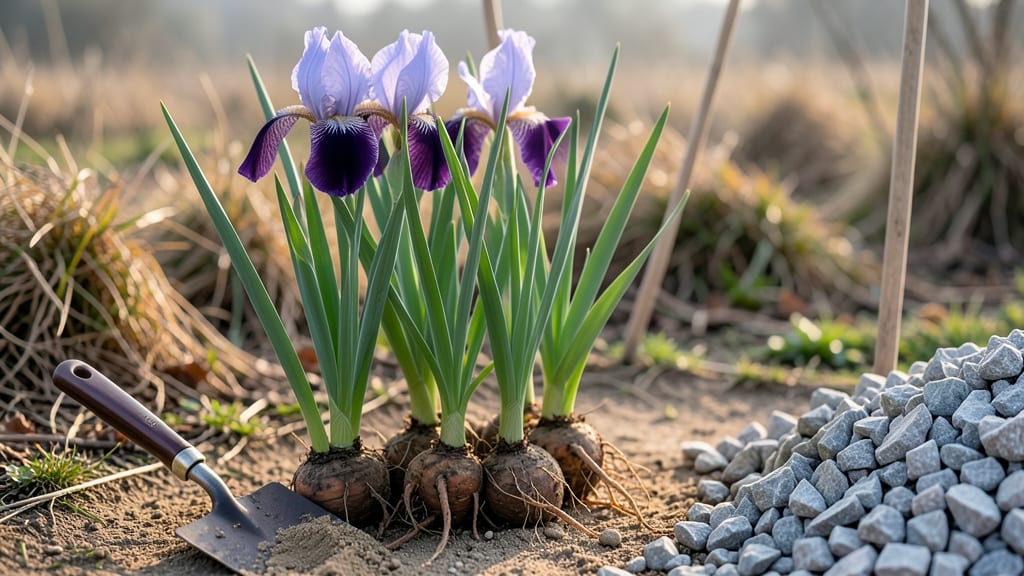
Planting Bearded Iris bulbs in California at the right time—between October and December—sets the stage for vibrant blooms that return year after year.
California’s diverse microclimates—from coastal fog belts to inland deserts—mean iris bulbs thrive at different times, but planting too early or late can ruin your blooms. Get the exact timing for your region to ensure vibrant, long-lasting flowers that return year after year.
Coastal gardeners in zones 9-10 should aim for November, while inland areas in zones 7-9 have a slightly wider window from October to early December. Early spring planting in February or March also works, but fall is the best choice for establishing strong roots before summer heat.
Below, I’ll break down the ideal months by microclimate, soil prep tips, and how to adjust if your weather throws a curveball—so you can enjoy healthy, blooming irises for seasons to come.
California’s ideal iris planting months by climate zone
Planting iris rhizomes in California requires precision—your microclimate zone dictates the perfect window for root establishment before winter dormancy. Coastal areas with mild winters and inland deserts with hot summers demand different strategies. Let’s break down the optimal planting months for each region to ensure your irises thrive.
First, clarify that irises grow from rhizomes, not bulbs—this affects planting depth and timing. The ideal soil temperature for planting is between 50°F and 65°F.
Below this range, rhizomes risk rot, while above it, they may dry out before rooting. California’s USDA zones 7-10 create four distinct planting windows we’ll explore.
| Zone | Optimal Planting Window | Soil Temp Trigger | Frost Risk | Key Consideration |
|---|---|---|---|---|
| Northern Coast (Zones 9-10) | October 15 – November 15 | 55°F–65°F | Low (Dec–Jan) | Cooler, humid air; plant before winter rains |
| Central Valley (Zones 7-9) | October 1 – November 30 | 50°F–60°F | Moderate (Nov–Dec) | Warmer days; avoid late-season heatwaves |
| Southern Desert (Zones 9-10) | November 1 – December 15 | 50°F–58°F | None | Plant after monsoon season ends |
| High Elevation (Zones 6-8) | September 15 – October 31 | 45°F–55°F | High (Oct–Nov) | Earlier planting avoids early frosts |
For the Northern Coast, including San Francisco and Monterey, aim for mid-October to mid-November. The cooler maritime climate allows rhizomes to root before winter rains arrive. Test soil temperature with a soil thermometer—wait until it drops below 65°F but stays above 55°F.
In the Central Valley (Sacramento to Bakersfield), plant from early October to late November. This region’s warmer days and cooler nights create ideal conditions, but avoid planting after November 30—late rains can cause rhizome rot. Use well-draining soil with added sand or grit to prevent waterlogging.
Southern desert zones like Palm Springs and San Diego have the latest window: November 1 to December 15. The monsoon season typically ends by late October, so wait until soil temperatures stabilize. Desert irises benefit from mulching with gravel to reflect heat and retain moisture.
High-elevation areas like Lake Tahoe or Mammoth Lakes require the earliest planting: mid-September to October 31. These zones face earlier frosts, so rhizomes need 6+ weeks to establish roots. Use black plastic mulch to warm soil and protect against freezing temperatures.
Spring planting is possible in Zones 9-10 (February–March), but expect smaller blooms the first year. For Northern Coast gardeners, this is a viable backup if fall planting was missed. Always plant rhizomes with the growth fan facing upward and the top third exposed to sunlight.
Watch for local frost dates—check the USDA Plant Hardiness Zone Map for your exact location. A general rule: plant 4–6 weeks before your first frost.
In Southern California, this might be as late as December 15, while Northern California may need rhizomes in by November 1.
Pro tip: If your soil stays warmer than 65°F into November, delay planting until temperatures drop. Use a shade cloth over newly planted rhizomes if daytime temps spike above 75°F—this prevents heat stress and ensures
How to adjust planting time for unusual weather patterns
Unpredictable weather in California—like sudden early rains or delayed monsoons—can throw off your iris planting schedule. But with smart adjustments, you can still get those stunning 🌸 blooms on time.
The key is monitoring soil moisture, air temperatures, and having backup plans for each microclimate zone. Let’s break down how to pivot when Mother Nature changes the rules.
First, check your local frost dates and rainfall forecasts. Coastal areas like San Francisco may face unexpected chills in October, while the Central Valley could experience heatwaves in November. Use the National Weather Service or California Irrigation Management Information System (CIMIS) for real-time data.
If frost is forecasted earlier than usual, delay planting until soil temps drop below 60°F—ideal for iris rhizomes.
For regions expecting delayed rains, like the Southern Desert, hold off until you’ve seen consistent moisture. Test soil moisture by grabbing a handful—if it crumbles easily, it’s dry enough for planting.
If it sticks together, wait 1-2 weeks. Pro tip: Use a soil moisture meter ($15 at garden centers) for precision.
⚠️ Warning: Heatwave Risks
If temperatures stay above 85°F for weeks, iris rhizomes can overheat and rot. Pause planting until evenings cool below 75°F. For inland areas like Bakersfield, shift to early spring planting (February-March) instead. Mulch heavily with straw or wood chips to protect rhizomes from extreme heat.
If you’re in a coastal fog zone, like Santa Barbara, early rains might mean soggy soil. Plant on a dry day and amend soil with sand or perlite to improve drainage.
For foggy mornings, choose morning planting times to let soil dry slightly before nighttime dampness sets in. A raised bed can also help if your native soil stays waterlogged.
For a backup planting schedule, note these adjustments by zone:
Finally,
With these strategies, you’ll outsmart California’s quirks and still enjoy bold, repeat-blooming irises** year after year. Happy planting! 🌱