
Plants
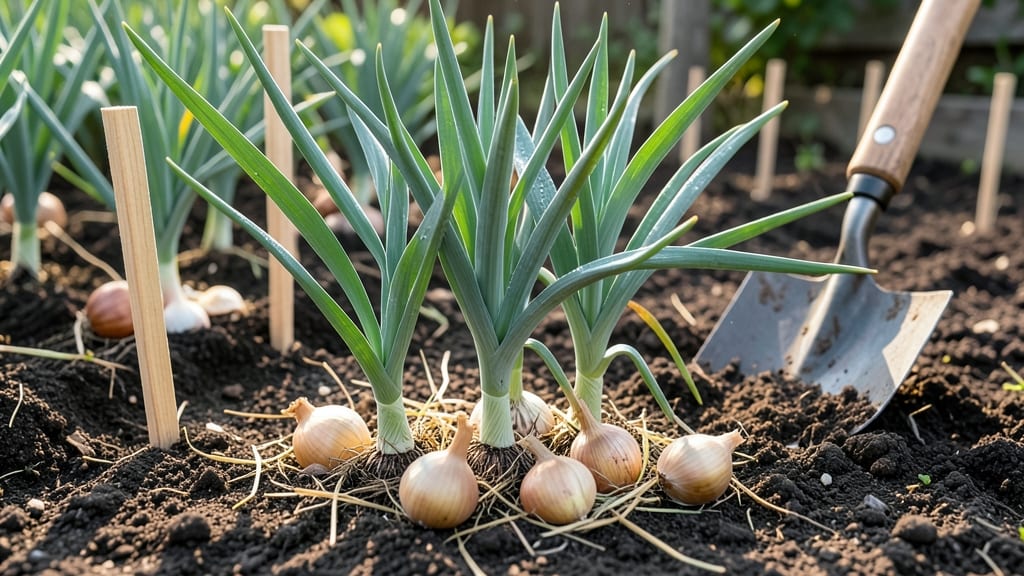
To plant onion bulbs in Zone 8b, aim for October to November or February to March—timing that makes all the difference between a thriving crop and wasted effort.
I’ve seen gardeners in Central California and Arizona lowlands pull out their shovels too early, only to watch their 🧅 sprout and then bolt in the heat. The key? Planting when soil temps hover around 50°F—cool enough to root but warm enough to avoid frost damage.
Fall planting gives onions time to establish roots before winter, while spring sets must race against bolting. Below, I’ll break down the exact weeks to plant, soil prep tricks, and how to pick the right varieties for your microclimate.
Skip the guesswork: learn the precise windows for your region, plus how to tell when your onions are truly ready to harvest—no more second-guessing at the dinner table.
Optimal fall planting schedule for onion bulbs in Zone 8b
Timing is everything when planting onion bulbs in Zone 8b, where mild winters and warm soils create unique challenges. Fall planting gives your onions a head start, but planting too early or late can lead to bolting (flowering prematurely) or weak growth.
The key window is 6-8 weeks before your first frost date, typically between mid-October and early November.
Zone 8b’s varied microclimates—like coastal San Diego or inland Arizona lowlands—can shift ideal dates by 2-3 weeks. Coastal areas stay milder longer, while inland zones may experience earlier frosts. Always check your local frost dates and adjust accordingly to avoid overwintering failures.
Before planting, prepare your soil to ensure overwintering success. Onions thrive in well-draining soil with a pH of 6.0-7.0. Work in 2-3 inches of compost or aged manure to improve fertility and structure. Avoid fresh manure, which can burn roots and cause rot during cold months.
Choose onion sets (small bulbs) over seeds for fall planting—they mature faster and are less likely to bolt. Plant them 1 inch deep and 4-6 inches apart in rows spaced 12-18 inches apart.
This spacing prevents disease spread and allows for easy weeding. Water thoroughly after planting to settle the soil around the bulbs.
Mulch heavily with straw or shredded leaves (3-4 inches thick) to insulate roots from temperature fluctuations. Mulch also suppresses weeds and retains moisture. In coastal Zone 8b, where winters are damp, ensure your mulch isn’t too thick to prevent rot.
Inland areas may need extra mulch to protect against freeze events.
Monitor your onions through winter for signs of stress or pests. Slugs and snails are common in damp coastal areas, while onion flies may target inland gardens.
Use diatomaceous earth or copper barriers to deter pests without chemicals. If you notice yellowing leaves, it could signal overwatering or nutrient deficiency—adjust care accordingly.
As spring approaches, reduce watering slightly to harden off the bulbs before harvest. Stop fertilizing 4-6 weeks before harvest to prevent bitter flavors or split bulbs. Harvest when tops yellow and flop over, but before the bulbs split open.
Cure harvested onions in a dry, shady place for 1-2 weeks to extend storage life.
Pro tip: Plant a second crop of fast-maturing varieties like ‘Texas Early White’ in early spring (February) to extend your harvest season. This two-pronged approach ensures you have fresh onions from April through June, even in Zone 8b’s challenging heat.
✅ Remember: Soil temperature, microclimate, and
Spring planting considerations: can you still grow onions in Zone 8b?
Spring planting of onion bulbs in Zone 8b is possible, but it comes with unique challenges. The shorter growing season and rising temperatures can push onions to bolt prematurely, reducing bulb size and flavor.
However, with the right variety selection and soil management, you can still achieve a successful harvest.
Unlike fall planting, which gives onions time to mature before summer heat, spring-planted onions must race against increasing temperatures and longer daylight hours. In Zone 8b, where last frost typically occurs around January 15, spring planting should begin as early as February for early-maturing varieties.
Late varieties risk bolting before bulbs fully develop.
To mitigate these risks, focus on short-day onion varieties like 'Texas Early White' or 'Red Creole', which are bred to tolerate warmer climates. These varieties can handle Zone 8b’s heat better than long-day onions, which are better suited for cooler northern regions.
Spring Planting Onion Bulbs in Zone 8b
Pros
- ✅ Extended harvest season: Spring-planted onions mature later, providing fresh onions when fall-planted bulbs may be depleted.
- ✅ Less competition: Fewer gardeners attempt spring planting, reducing pest pressure.
- ✅ Fresh greens: Even if bulbs don’t fully mature, spring onions produce edible green tops for salads.
Cons
- ❌ Higher bolting risk: Long daylight hours trigger premature flowering, reducing bulb size.
- ❌ Shorter growing season: Only 90-120 days to maturity, limiting variety choices.
- ❌ Heat stress: Soil temperatures above 85°F can stunt bulb development.
To maximize success, warm your soil before planting. Use black plastic mulch or straw covers to raise soil temperatures and speed up germination. Plant 1 inch deep and 4-6 inches apart in well-draining soil amended with compost to retain moisture during dry spells.
Water deeply once a week, focusing on the root zone to encourage bulb formation. Avoid overhead watering, which can promote fungal diseases like downy mildew. If planted in February, aim to harvest by late May to avoid summer heat stress.
For a second crop, try late-summer planting (August) for a fall harvest.
With careful planning, spring-planted onions in Zone 8b can still yield small but flavorful bulbs. If bolting occurs, harvest the green tops for culinary use—they’re just as delicious as mature onions! 🧅