
Plants
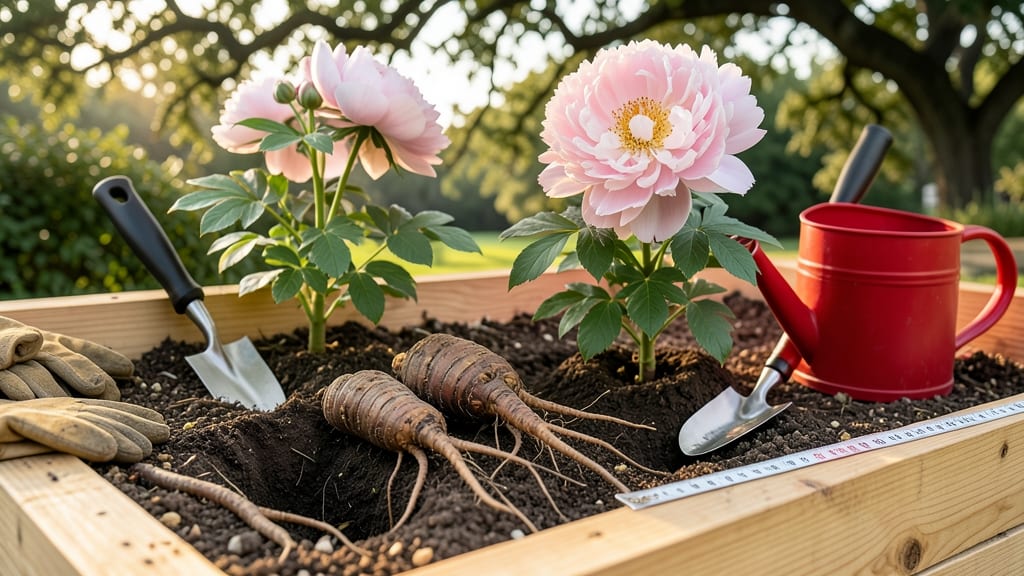
Planting peony bulbs in spring requires timing them with your region’s last frost and chill-hour needs—miss this window, and you could wait years for those 🌸 blooms.
If you’ve ever dug up a peony bulb in spring only to find it still dormant, you know how critical the timing is. These hardy plants need a specific balance of chill hours and soil warmth to break dormancy and thrive.
In USDA Zone 6a, where many gardeners live, planting too early risks frost damage, while waiting too long can stunt root growth.
Below, I’ll break down the exact spring planting window for your zone, how to check soil readiness, and the 3 key mistakes that delay flowering.
Whether you’re in a cold northern climate or a milder southern region, these tips will help you plant peony bulbs at the perfect moment for big, healthy blooms next season.
You’ll also discover how to adjust for early vs. late springs, what to do if your soil isn’t ready, and the simple post-planting care that keeps peonies thriving for decades. Let’s get those bulbs in the ground the right way!
Peony planting timeline by USDA hardiness Zone & chill-hour needs
Peonies thrive when planted at the perfect moment in spring, but that timing varies dramatically depending on your USDA hardiness zone and your region's chill-hour requirements. Unlike many perennials, peonies need a specific window where soil temperatures are consistently above 50°F but before summer heat sets in.
Getting this wrong can delay blooms by 1-2 years or worse—kill your bulbs entirely.
Most gardeners know peonies prefer full sun and well-draining soil, but what they often miss is how chill hours (the number of hours below 45°F in winter) influence spring planting success.
For example, Zone 3 peonies need 2,500+ chill hours, while Zone 8 varieties thrive with just 500-800 hours. Planting the wrong variety in your zone means waiting years for blooms—or none at all.
Here’s the key: Spring planting works best in cooler zones (3-6), while warmer zones (7-10) should plant in early fall. The table below breaks down your exact planting window by zone, plus how to calculate your region’s chill hours to pick the right peony variety.
Pro tip: Use your local Cooperative Extension Service for precise chill-hour data if you’re unsure.
| USDA Zone | Chill Hours Needed | Best Spring Planting Window | Soil Temp Requirement | Zone-Specific Tip |
|---|---|---|---|---|
| Zones 3-4 | 2,500+ hours | Late April to mid-May | 50°F+ consistently | Use hardy varieties like 'Sarah Bernhardt'—they bloom earlier. |
| Zones 5-6 | 1,500-2,000 hours | Mid-April to early May | 55°F+ for 1 week | Avoid planting after last frost—wait 2 weeks post-frost. |
| Zones 7-8 | 500-1,000 hours | Early fall only (Sept-Oct) | 60°F+ soil | Spring planting fails here—fall is mandatory for survival. |
| Zones 9-10 | 300-500 hours | Not recommended | N/A | Try intersectional hybrids like 'Bowl of Beauty'—they adapt better. |
In Zones 3-6, spring planting is your best bet, but timing is critical. Aim to plant when soil temperatures hover around 50-55°F—this gives roots time to establish before summer heat. A simple soil thermometer (just $10 at garden centers) takes the guesswork out of it.
If you’re in Zone 5 and your soil is still below 50°F in May, wait another 2-3 weeks.
For Zones 7-10, spring planting is a recipe for failure unless you’re using heat-tolerant varieties. Peonies in these zones need fall planting to survive summer heat. If you’ve already bought bulbs, pop them in the fridge’s crisper drawer (35-40°F) until fall planting season.
Pro move: Mulch heavily after planting to protect roots from sudden temperature swings.
Calculating your region’s chill hours is easier than you think. Use this formula: Multiply the number of days below 45°F by 24, then subtract the hours above 45°F during those days.
For example, if your area has 100 days below 45°F but only 10 hours above 45°F on those days, your total chill hours = (100 × 24) - 10 = 2,390 hours. This tells you whether to plant early-blooming or late-blooming varieties.
One common mistake? Planting peonies too early in spring when frost is still a risk. If a late frost hits, tender new shoots will die back, setting your plant back 6-12 months.
Always check your local frost dates and plant at least 2 weeks after the last expected frost. In my Zone 6 garden, I’ve lost entire peony batches by ignoring this rule—don’t make my mistake!
If you’re in a transition zone (like Zone 7b), where winters are mild but summers are hot, opt for intersectional hybrids (peony-paeony crosses) like 'Coral Charm' or 'Bartzella'.
These varieties tolerate warmer winters and still deliver lush blooms. For these, plant in early fall (September) and protect with 3 inches of mulch over winter.
Finally, remember that peony bulbs are expensive, so planting them at the wrong time is a costly gamble. If you’re unsure about your zone’s chill hours, ask your local nursery for their recommended varieties—they’ve already tested what works.
And if you’re in Zone 8+? Skip spring planting entirely and plan
Signs your soil is ready for peony bulbs (and what to do if it’s not)
Peony bulbs thrive when planted in soil that’s warm but not hot, with consistent moisture and no risk of late frost. These perennials need 60-80°F soil temperatures to root properly, but they’ll rot if planted too early in cold, damp ground.
In my Zone 6 garden, I wait until mid-April when the ground feels like a warm cup of tea—not scalding, just cozy.
Check for frost-free nights and dry soil conditions before planting. Peonies hate soggy roots, so if your soil feels clay-heavy or waterlogged, amend it with compost or sand.
I always dig a small hole, fill it with water, and wait 30 minutes—if it drains slowly, I know I need to improve drainage first.
⚠️ Late Spring Planting Warning
Peony bulbs planted after mid-May in most zones risk stunted growth because they need 6-8 weeks to establish roots before summer heat arrives. If your soil is ready but the season is late, opt for container planting with well-draining mix and move pots to shade during heatwaves.
For unpredictable spring weather, like my friend’s Zone 5 garden where frost can linger until May, I recommend container growing. Use a 12-inch deep pot with drainage holes and a mix of 50% garden soil, 30% compost, and 20% perlite.
Place containers in a sheltered spot and cover with frost cloth if nights dip below 28°F.
Test your soil’s moisture retention by squeezing a handful—it should hold shape but not be sticky. If it crumbles easily, it’s too dry; if it sticks to your fingers, it’s too wet.
I add organic matter like leaf mold or coconut coir to strike the perfect balance. Peonies also need slightly acidic to neutral pH (6.0-7.0), so test with a kit if unsure.
If your local forecast predicts unseasonable cold after planting, protect peony bulbs with a 4-inch layer of mulch (straw or shredded leaves work well). In warmer zones (7-9), plant in fall instead to avoid summer heat stress.
I’ve seen peonies planted in September in Zone 8 bloom 2 years earlier than spring-planted counterparts.
Remember, peony roots are delicate—handle bulbs gently and plant them no deeper than 2 inches with the eyes (growth points) facing upward. Water thoroughly after planting, and avoid fertilizing until new growth appears in spring.
With the right soil prep, your peonies will reward you with lush foliage and dramatic blooms in just 2-3 years.