
Planting
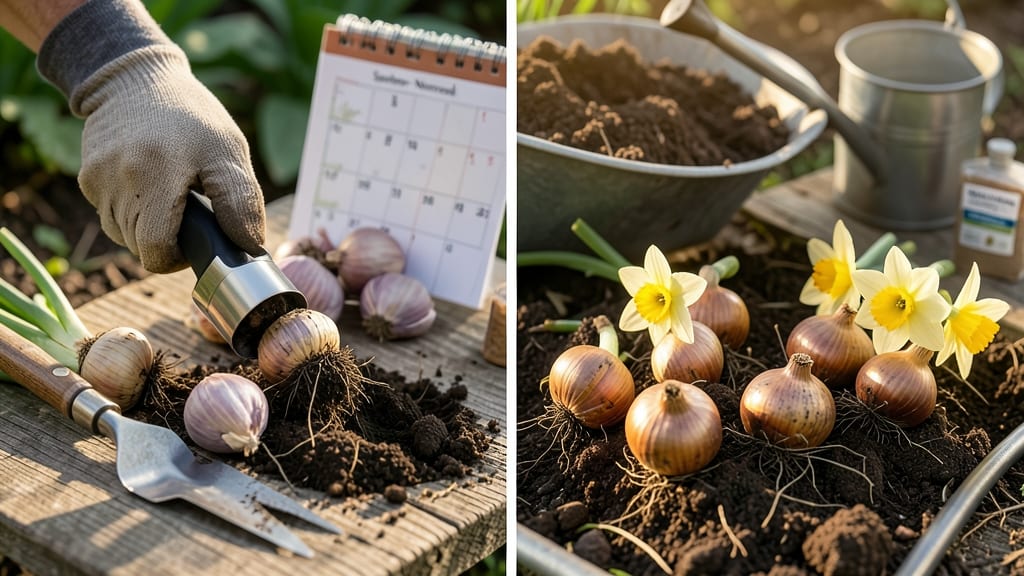
Planting tulip and daffodil bulbs at the right time ensures vibrant spring blooms 🌷 that will make your garden the envy of the neighborhood.
Timing is everything when planting tulip and daffodil bulbs—get it wrong, and you might miss the stunning spring blooms you’ve been dreaming of. But with the right schedule based on your USDA zone, you can ensure vibrant flowers year after year.
Most gardeners know fall is the prime window, but the exact month varies dramatically—from October in cooler zones to December in warmer climates. Too early, and the bulbs rot; too late, and they won’t root before winter.
Below, I break down the exact months for your zone, plus soil prep tips and post-planting care to guarantee blooms that’ll make your neighbors ask, "What’s your secret?"
Best planting months for tulip and daffodil bulbs by USDA Zone
Planting tulip and daffodil bulbs at the right time ensures they establish strong roots before winter dormancy. Most gardeners aim for late fall planting, but your USDA zone dictates the exact window.
In colder zones (3-6), bulbs need 6-8 weeks of chilling to bloom well, while warmer zones (7-10) may require early spring planting instead.
Daffodils are slightly more flexible than tulips—they tolerate warmer soil and can handle spring planting in zones 7-10. Tulips, however, are pickier and often fail to bloom if planted too late. Always check your first frost date to align planting with soil temperatures around 50-60°F.
Comparison Table: Ideal Planting Months by USDA Zone
In USDA zones 3-6, I always prioritize late fall planting—typically between mid-September and mid-November. This timing ensures bulbs establish roots before the ground freezes. For example, in Zone 5, I plant tulips by October 15 to avoid late-season frost risks.
Warmer climates like Zones 7-10 shift the schedule entirely. Here, tulips must be planted in winter (November-March) to mimic their natural chilling needs. Daffodils, however, are more adaptable and can even be planted in early spring if fall planting is skipped.
One common mistake is planting too early in mild climates. If you plant tulips in Zone 8 before November, they may sprout and get damaged by unseasonable warmth. Always verify your local frost dates—aim for 4-6 weeks before the first hard frost.
For container gardening, adjust timing slightly. Potted bulbs need earlier planting (by 4-6 weeks) since containers cool faster. In Zone 6, I plant container tulips by September 1 to compensate for this.
Pro tip: Use a soil thermometer to confirm soil temps are 50-60°F before planting. Cooler soils help bulbs establish without rotting. In Zone 9, I wait until January when daytime temps drop below 65°F.
After planting, mulch with 2-3 inches of straw to insulate bulbs. This is especially critical in Zones 3-5, where winter temps can drop below -10°F. Mulch prevents frost heave and keeps roots stable.
Remember, daffodils outperform tulips in warmer zones. Their natural resistance to deer and flexible planting window make them ideal for Zones 7-10. For tulips in these areas, opt for species tulips (like Tulipa tarda) that tolerate heat better.
🌱
Critical factors that determine planting success (beyond the calendar)
While following the USDA zone calendar gives you a solid starting point, soil temperature and local microclimates often dictate the real window for planting tulip and daffodil bulbs. For example, I’ve seen daffodils thrive when planted weeks after the "official" deadline in Zone 5 because their hardiness allows flexibility.
The key is understanding how these variables interact.
Your first frost date isn’t the only deadline—soil temperature matters more. Tulips and daffodils need the ground to be between 40-50°F (4-10°C) for root establishment.
In my Zone 6 garden, I’ve planted bulbs in early November when air temps were still warm, but the soil had cooled to 45°F. The results? Perfect blooms the following spring.
Don’t overlook bulb freshness. Stored bulbs lose vigor over time, and older stock may need an earlier start. I always check for firm, plump bulbs—any that feel soft or shriveled get tossed.
Fresh bulbs can handle slightly later planting, while older ones might need the extra time to compensate for reduced energy reserves.
Moisture levels also play a sneaky role. Well-drained soil prevents rot, but consistent moisture during root growth is crucial. After planting, I water deeply once, then let nature take over—unless we’re in a drought.
In my experience, bulbs planted in lightly moist soil (not soggy) perform best, especially in sandy or rocky terrain.
⚠️ Warning: Microclimates Override Zones!
Your yard’s specific conditions can shift planting times by 2-4 weeks. For example:
- South-facing slopes warm faster—plant 2 weeks later than zone guidelines.
- Low-lying areas stay cold longer—plant 2 weeks earlier to avoid frost.
- Urban heat islands delay frost—extend planting until mid-November in Zones 5-7.
Pro tip: Use a soil thermometer ($10 at garden centers) to confirm readiness—45°F (7°C) is ideal for most bulbs.
Even in warmer climates (Zones 8-10), timing shifts. I’ve planted daffodils in early December in Southern California with great success, but tulips—less heat-tolerant—go in by October. The rule? Plant when daytime highs drop below 75°F (24°C) consistently.
Finally, mulching can buy you extra time. A 2-3 inch layer of straw or shredded leaves insulates bulbs, protecting them from temperature swings and early frosts. Last winter, my mulched daffodils survived a 28°F (-2°C) dip in Zone 6—unmulched ones struggled.
It’s a simple hack that extends your planting window by 10-14 days.
Remember: Observation beats rules. Pay attention to your garden’s unique patterns—your local first frost date might not match the USDA average. With these adjustments, you’ll coax those vibrant spring blooms every time. 🌷