
Plants
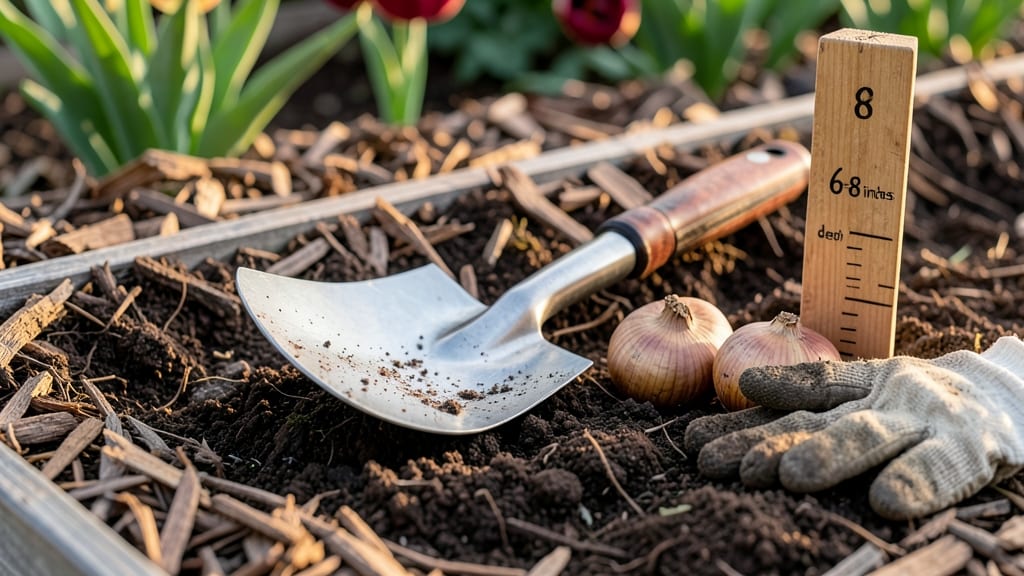
Planting tulip bulbs in Nebraska between September and October ensures they get the cold stratification they need for vibrant spring blooms 🌷 — and missing that window means weak stems or no flowers at all.
Nebraska’s unpredictable winters and short growing season demand precise timing—or risk weak blooms or no flowers at all. Master the perfect window to ensure vibrant spring tulips that thrive in the Heartland’s climate.
Fall planting is ideal because tulips require 6-8 weeks of chilling before the ground freezes, and Nebraska’s USDA zones 5a-6b mean timing varies slightly between the Panhandle and eastern regions.
Below, I’ll cover the exact frost dates to watch, soil prep tips for clay-heavy Nebraska soil, and the best tulip varieties that survive our winters—so you can plant with confidence and enjoy blooms by April.
Best planting windows for Nebraska tulip bulbs: fall chilling requirements explained
Nebraska gardeners know timing is everything when planting tulip bulbs. The Heartland’s climate—with USDA zones 5-7—requires precise fall planting to ensure those iconic spring blooms. Plant too early, and bulbs rot; too late, and they won’t establish roots before winter.
The secret? Cold stratification, a natural process where bulbs need consistent 40-50°F soil temperatures for 6-8 weeks to bloom reliably.
Most Nebraska gardeners aim to plant tulip bulbs between mid-September and mid-October. This window aligns with when daytime temperatures dip into the 50s°F and nighttime temps hover near freezing.
Southern Nebraska (Zone 6b) can plant slightly later, while northern areas (Zone 5a) should plant earlier to avoid early frost risks. The goal? Get bulbs in the ground 6-8 weeks before the first hard frost—typically by October 15 for most of the state.
🌱 Nebraska Tulip Planting Timeline
| Zone | Ideal Planting Month | Soil Temp Requirement | Frost Window | Key Tip |
|---|---|---|---|---|
| 5a (Northwest NE) | Mid-September | 40-50°F for 8+ weeks | First frost: Oct 5-10 | Plant by Sept 20 for best results |
| 5b (Central NE) | Late September | 40-50°F for 7-8 weeks | First frost: Oct 10-15 | Aim for Oct 1 planting |
| 6a (Southeast NE) | Early October | 40-50°F for 6-7 weeks | First frost: Oct 15-20 | Plant by Oct 10 for safety |
| 6b (Far Southeast NE) | Mid-October | 40-50°F for 5-6 weeks | First frost: Oct 20-25 | Can plant as late as Oct 15 |
Why does this timing matter? Tulips need cold stratification to break dormancy. When planted in fall, bulbs experience Nebraska’s natural temperature fluctuations, which trigger root growth before winter. Without this process—called vernalization—bulbs may produce weak stems or no flowers at all.
Think of it like a natural fertilizer: the cold helps bulbs store energy for spring blooms.
Pro tip: Use a soil thermometer to monitor temperatures. Bulbs should go into 40-50°F soil consistently. In early fall, Nebraska’s soil can still be warm (60°F+), so planting too soon risks rot. Wait until soil temps drop below 60°F before planting. This usually happens by late September in most areas.
What if you miss the fall window? Some gardeners try spring planting, but results are hit-or-miss in Nebraska’s climate. Spring-planted bulbs often bloom later and weaker because they lack the cold stratification.
If you must plant in spring, use pre-chilled bulbs from nurseries or refrigerate them for 10-12 weeks at 35-45°F before planting.
Don’t forget: Frost timing varies by year. Check your local Cooperative Extension Service for updated frost dates. For example, Lincoln (Zone 5b) averages its first frost on October 15, but Omaha (Zone 5a) can see frost as early as October 5.
Planting 6-8 weeks before this date ensures bulbs have time to root before winter sets in.
For container gardeners, the rules are slightly different. Potted tulips need winter protection, like moving containers to an unheated garage or wrapping pots in bubble wrap. Without this, bulbs may freeze.
If you’re growing tulips in containers, plant them 2-3 weeks earlier than in-ground bulbs to give roots extra time to establish before cold snaps hit.
One common mistake? Planting bulbs too shallow. In Nebraska’s clay-heavy soil, bulbs should go 6-8 inches deep—about 3 times their height. Deeper planting protects
Soil preparation checklist: Nebraska-specific tips for healthy tulip bulbs
Nebraska’s clay-heavy soil and variable moisture can make or break your tulip bulbs before they even sprout. To ensure vibrant blooms next spring, focus on three critical factors: pH balance, drainage, and organic matter.
These adjustments mimic the well-draining, slightly acidic conditions where tulips thrive in their native habitats.
Start by testing your soil pH—tulips prefer a range of 6.0 to 7.0. Nebraska’s native soils often lean alkaline, which can stunt bulb growth. Use a simple home pH test kit ($10 at garden centers) or send a sample to the University of Nebraska-Lincoln Extension for professional analysis.
Adjustments are easy: add sulfur or peat moss to lower pH, or lime to raise it if needed.
⚠️ callout-warning ⚠️
Nebraska’s low-lying areas and clay soil often trap moisture, causing bulb rot. Test drainage by digging a 12-inch hole, filling it with water, and timing how long it takes to drain. If water remains after 6 hours, amend with coarse sand or perlite (1 part sand to 3 parts soil). Never plant in depressions—elevate beds or choose slopes for optimal airflow.
Next, tackle drainage by amending your soil with organic matter. Work in 2–3 inches of compost or well-rotted manure into the top 12 inches of soil. For heavy clay, mix in coarse sand (like builder’s sand) to create air pockets.
Avoid fine sand or sawdust, which can compact over time. A loose, crumbly texture is ideal—think of a well-aerated cake batter rather than dense mud.
For low-lying areas or spots prone to waterlogging, consider raised beds. Fill them with a mix of 50% native soil, 30% compost, and 20% perlite or vermiculite. This blend ensures bulbs get the moisture retention they need in spring without drowning.
Mulch with 2–3 inches of straw after planting to insulate roots and prevent soil heaving during freeze-thaw cycles.
One common mistake Nebraska gardeners make is over-amending with nitrogen, which encourages leafy growth at the expense of blooms. Instead, use a balanced fertilizer (like 10-10-10) sparingly—apply it in early spring after shoots emerge, but avoid fertilizing in fall.
Tulips store energy in their bulbs, and too much nitrogen can lead to weak stems or fewer flowers.
Finally, water deeply after planting to settle the soil around bulbs, but avoid soggy conditions. Once established, tulips are drought-tolerant and prefer moderate moisture. In Nebraska’s USDA zones 5–7, a weekly deep watering (1 inch) during dry spells is sufficient.
Let the soil dry slightly between waterings to prevent fungal diseases like botrytis, which thrives in damp, crowded conditions.
With these Nebraska-specific tweaks, your tulip bulbs will have the perfect foundation to survive winter and burst into color next spring. Happy planting—your future blooms will thank you! 🌷