
Plants
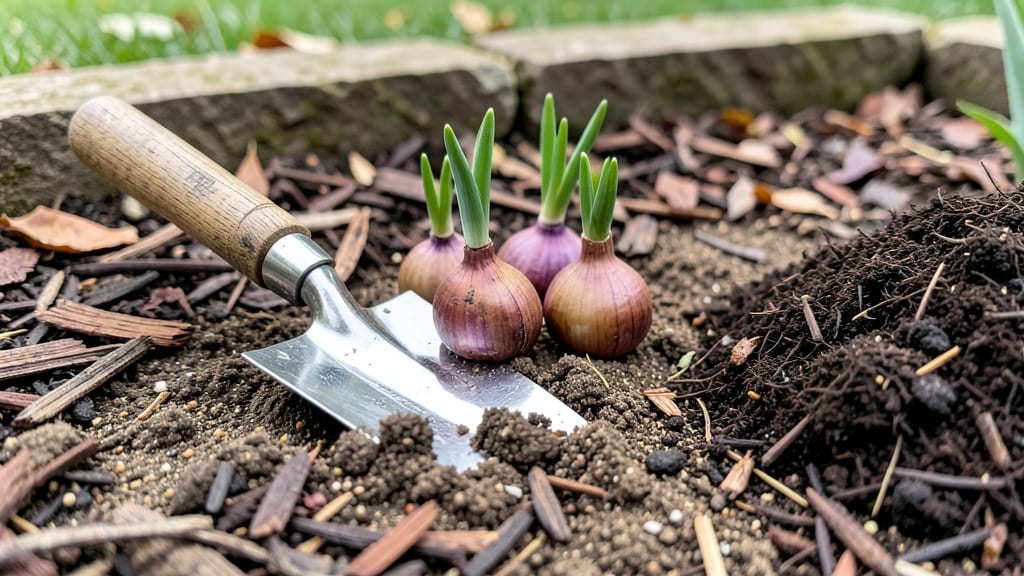
Planting tulip bulbs in Dallas, Texas, works best between October and December—a window that balances soil warmth and frost risk.
Dallas gardeners know timing is everything—plant too early, and the bulbs may rot in lingering summer heat; too late, and they won’t root before winter. The 6-week window from October through November is your sweet spot, but microclimates (like urban heat islands) can shift that by 2-3 weeks.
This guide breaks down the ideal months, soil prep for Dallas’s clay-heavy earth, and how to adjust for Zone 8a’s unpredictable freezes. Skip the guesswork and learn the exact steps to get vibrant blooms next spring.
You’ll also discover common mistakes (like overwatering in winter) and how to avoid them—so your tulips 🌷 thrive despite Texas’s quirky weather.
Optimal planting windows for tulip bulbs in Dallas Texas (with microclimate adjustments)
Dallas’s Zone 8b climate creates unique challenges for tulip bulbs—heat retention in urban areas and unpredictable freezes can throw off traditional planting advice. While national guides often recommend October planting, Dallas gardeners must adjust for soil warmth that lingers longer and microclimates that vary by neighborhood.
The ideal window here is actually 6 weeks before your first frost, which in Dallas typically falls between mid-November and early December.
Most tulip bulbs need 4-6 weeks to establish roots before winter dormancy. In Dallas, this means starting as early as late September in cooler suburban areas but waiting until mid-October in hotter urban pockets like Downtown or Deep Ellum.
The key is soil temperature—aim for 50-60°F at planting depth (6 inches). Use a soil thermometer to check if you’re unsure.
Dallas’s urban heat island effect can delay frost by 1-2 weeks compared to rural areas. This means bulbs planted in October in the suburbs might still be safe, while those in city centers could rot if the ground stays too warm.
For example, White Rock Lake areas often see frost 10 days earlier than North Dallas. Adjust your timing based on your specific microclimate—not just the city average.
Here’s how Dallas’s rainfall patterns also play a role: October is our wettest month, which can lead to waterlogged soil if bulbs are planted too early.
Wait until mid-October when rains typically taper off, or plant in raised beds with gravel drainage layers to prevent rot. November planting is ideal for most gardeners because it balances root establishment with cooler soil.
🌱 Pro Tip: Use a soil thermometer to verify temps—Dallas’s urban heat can keep soil 10°F warmer than rural areas.
If you’re planting dwarf tulips (like Tulipa greigii), they can handle slightly later planting—even early December in cooler microclimates. However, standard varieties like Darwin Hybrids need that 6-week window to establish strong roots. For container gardening, add 2-3 weeks to the timeline since pots cool faster in winter.
One common mistake Dallas gardeners make is following national planting charts without accounting for our extended growing season. For example, bulbs planted in September might sprout too early and get fried by October heat.
Always check your local frost dates—the National Weather Service Dallas office provides 10-year averages that are more reliable than generic zone guides.
For best results, pair your planting with mulching—use 3-4 inches of straw after planting to insulate bulbs from temperature swings. In urban areas, where sidewalks radiate heat, consider shade cloth during the day if planting early. This mimics the cooler conditions of suburban gardens and
How to prepare your Dallas garden for tulip bulbs (soil, location, and pre-planting tips)
Dallas’s clay-heavy soil and unpredictable winters demand extra prep work before planting tulip bulbs. Without proper soil amendments, your bulbs could rot or fail to bloom.
Start by testing your soil’s drainage and pH—ideal levels are 6.0–7.0 and well-draining. If your soil compacts easily when wet, it’s time to act.
For optimal tulip growth, choose a location with full sun exposure (at least 6 hours daily) and shelter from strong winds. Avoid low spots where cold air pools, as Dallas’s January frosts can damage tender shoots. A slightly elevated bed with southern exposure works best for most varieties.
- ☑️ Test soil pH (aim for 6.0–7.0)
- ☑️ Amend clay soil with compost or sand (50% soil, 50% amendment)
- ☑️ Choose full-sun spot (south-facing, 6+ hours sun)
- ☑️ Loosen soil to 12 inches deep (break up compaction)
- ☑️ Water deeply 24 hours before planting (moisten soil)
- ☑️ Plant bulbs 6–8 inches deep, 4–6 inches apart
Before planting, loosen the soil to a depth of 12 inches using a garden fork or tiller. Dallas clay can become impermeable when wet, so mix in organic matter like compost or aged manure to improve aeration.
For heavy clay, blend in coarse sand or perlite to create pockets for drainage—this prevents bulb rot during Dallas’s winter rains.
Tulips thrive in well-draining soil, so avoid planting in areas where water pools after rain. If your yard has poor drainage, consider raised beds or mounds.
Add a 1-inch layer of mulch after planting to retain moisture and regulate soil temperature. Use straw or shredded leaves—avoid thick mulch layers, which can suffocate bulbs.
Timing your watering is critical in Dallas’s variable climate. Water deeply but infrequently—aim for 1 inch of water per week—to encourage strong root growth.
After planting, water lightly to settle the soil, then reduce frequency. Overwatering in winter’s chill can lead to rot, while underwatering stresses bulbs before dormancy.
Finally, mark your planting spots with biodegradable flags to avoid disturbing the soil in spring. Tulips need 6–8 weeks of cold to bloom, so planting too late (after December 1) may result in weak or no flowers.
With these steps, your Dallas garden will be prime for tulip success next spring! 🌷