
Plants
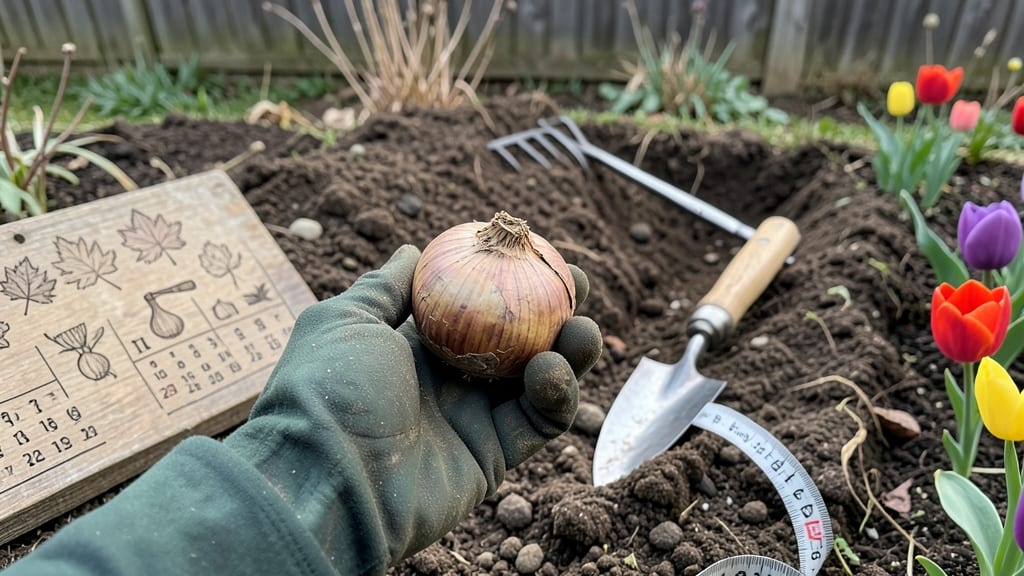
Plant tulip bulbs in Massachusetts between October and November to give them the 6-8 weeks of chill they need before the ground freezes.
Massachusetts gardeners know timing is everything—plant tulip bulbs too early, and they’ll rot in soggy soil; too late, and they’ll miss the chill period they need to bloom. The key? A chill-triggered planting strategy that aligns with your zone’s frost-free window.
In zones 5b-6b, aim for 4-6 inches deep and 4-6 inches apart—this protects them from frost heave and keeps the soil just cold enough to trigger blooms next spring. A little mulch after planting locks in moisture and warmth, which is especially helpful in unpredictable New England winters.
Below, I break down the exact week-by-week window for your region, how to prep soil for maximum bulb health, and the one mistake that kills 90% of first-time blooms. Ready to set yours up for a showstopping spring?
Massachusetts tulip planting timeline: chill requirements by zone
Massachusetts spans USDA Zones 5b-6b, where tulips need 6-8 weeks of chill (35-45°F) to bloom. Planting too early risks rot; too late, and bulbs won’t get enough cold. The sweet spot? October through mid-November, when soil temps drop but frost hasn’t set in permanently.
Your zone determines the exact window: Zone 5b (western MA) has a shorter season than Zone 6b (southeastern MA). Early varieties like Darwin Hybrids tolerate colder soil, while late bloomers like Parrot Tulips need warmer starts. Check your last frost date (typically October 20) to time it right.
Here’s your zone-specific planting timeline with chill requirements and frost-free soil conditions:
For Zone 5b, aim for mid-October—soil should be frost-free but cool. Use a soil thermometer to confirm temps between 45-55°F. Late varieties like Frans Hals can handle slightly warmer soil, but Fosteriana tulips thrive in colder conditions.
In Zone 6a, you’ve got flexibility: start as early as late September for early bloomers or wait until mid-November for late varieties. The key is ensuring bulbs get 6-7 weeks of chill before spring. Use mulch (straw or leaves) to protect them if early frost hits.
Zone 6b gardeners have the longest window—plant from October through late November. Warmer soil temps (up to 65°F) work for Greigii tulips, but avoid planting after November 20 to prevent rot. Test soil moisture with your finger: it should feel damp but not soggy.
Pro tip: Pre-chill bulbs if buying early. Store them in a paper bag in your fridge (35-45°F) for 4-6 weeksNever plant frozen bulbs—thaw them overnight first.
Watch for late-season thaws in MA—unpredictable weather can disrupt chill periods. If temps rise above 50°F for more than a week, move potted bulbs to a garage or basement until conditions stabilize. Early bloomers are more resilient to these fluctuations.
After planting, mark your tulip beds with flags or stakes—spring snow cover can erase planting spots. In April-May, you’ll see vibrant blooms as a reward for perfect timing. For long-term health, let foliage die back naturally to feed next year’s bulbs.
🌷
Step-by-step guide: planting tulip bulbs for maximum blooms in MA
Planting tulip bulbs in Massachusetts requires precision to ensure they survive our cool climate and variable frost dates. The secret to vibrant blooms lies in proper soil preparation, bulb depth, and timely post-planting care.
Whether you're a first-time gardener or a seasoned pro, following these steps will help you grow tulips that thrive year after year.
Before you start, gather your essential tools and materials: a hand trowel, garden gloves, bulb fertilizer, and organic mulch. These will make the process smoother and set your tulips up for success.
Remember, the goal is to mimic their natural growing conditions as closely as possible in your garden.
Step-by-Step Planting Guide
-
Step 1: Choose the Right Location
Select a spot with full sun exposure (6+ hours daily) and well-draining soil. Tulips hate soggy roots, so avoid low-lying areas where water pools. -
Step 2: Prepare the Soil
Loosen the soil to a depth of 12 inches using a garden fork. Mix in 2-3 inches of compost to improve drainage and fertility. For heavy clay soil, add sand or perlite. -
Step 3: Plant at the Right Depth
Dig holes 6-8 inches deep (about 3 times the bulb height). Place bulbs pointy end up, spacing them 4-6 inches apart for small varieties and 6-8 inches apart for larger ones. -
Step 4: Add Fertilizer
Sprinkle a bulb-specific fertilizer (high in phosphorus) at the bottom of each hole. This encourages strong root growth before winter. Use about 1 tbsp per bulb. -
Step 5: Cover and Water
Backfill the holes with soil, gently firming it around the bulbs. Water thoroughly to settle the soil and remove air pockets. Aim for 1 inch of water per week until the ground freezes. -
Step 6: Apply Mulch
Spread 2-3 inches of mulch (straw or shredded leaves) around the planting area. This insulates the bulbs from temperature fluctuations and prevents heaving during freeze-thaw cycles. -
Step 7: Monitor and Maintain
After planting, avoid walking on the bed to prevent bulb damage. In spring, remove mulch once shoots appear and fertilize lightly when foliage reaches 4-6 inches tall.
One common mistake Massachusetts gardeners make is planting tulip bulbs too shallow, which can expose them to frost heaving. Another pitfall is overwatering after planting, which can cause bulbs to rot before they establish roots.
Always ensure your soil drains well, and never plant bulbs in containers without drainage holes.
For long-term success, mark your tulip beds with stakes or flags so you don’t accidentally dig them up when planting other perennials. Tulip bulbs can live for years if left undisturbed, but they need 6-8 weeks of chill time (35-45°F) to bloom reliably.
In warmer MA winters, consider adding a light layer of straw mulch for extra insulation.
With these steps, your tulips will reward you with vibrant blooms in spring, adding a splash of color to your garden just as winter fades away. Happy planting! 🌷