
Plants
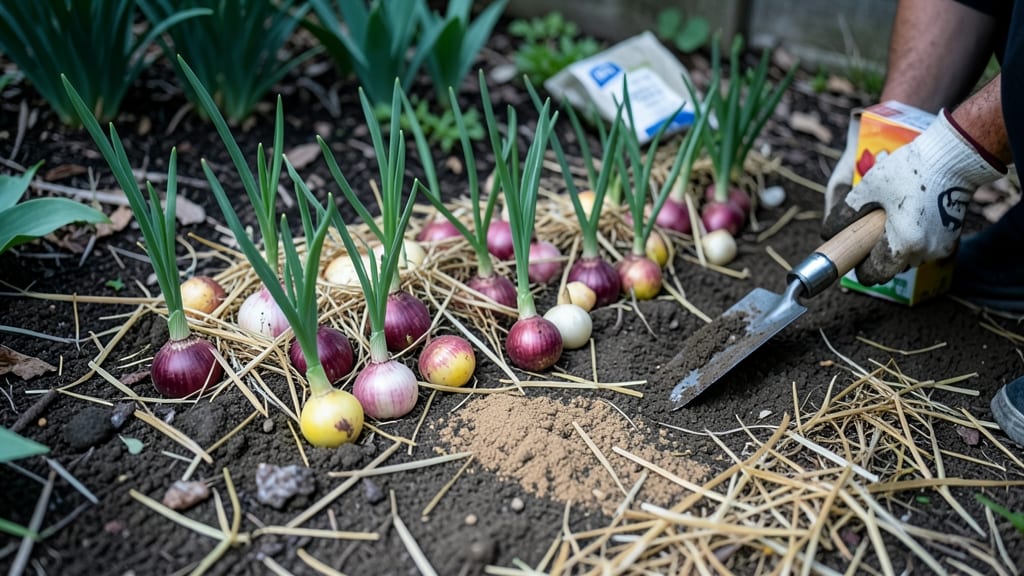
Planting tulip bulbs 🌷 in North Texas between October and December ensures vibrant spring blooms — the key is getting them in the ground before the first hard frost, which typically hits by mid-November.
North Texas gardeners know timing is everything — plant too early, and the bulbs rot in the heat; too late, and they’ll miss the chill they need to root. The 6-week window between mid-October and mid-November is your sweet spot, but local microclimates can shift that by weeks.
This guide breaks down the exact calendar for USDA Zone 8a, how to adjust for your specific corner of Texas, and the one mistake that kills 90% of North Texas tulips before they even bloom.
You’ll walk away knowing not just when to plant, but how to prep the soil, protect your bulbs from critters, and keep them thriving until April — no guesswork, just showstopping results.
Ideal North Texas tulip planting dates: month-by-month breakdown
North Texas gardeners face a unique challenge with tulip planting—the 6-week window between early October and mid-December can make or break your blooms. Unlike cooler climates, our Zone 8a winters bring unpredictable freezes, while soil temperatures above 60°F can rot bulbs before they establish roots.
Timing isn’t just about months; it’s about soil conditions and weather forecasts.
For early varieties (like 'Darwin Hybrid' tulips), aim for late October planting.
These need 6-8 weeks of cool soil to root before winter. Late varieties (such as 'Fosteriana' tulips) can wait until early December, but don’t push past two weeks before the first hard frost—typically mid-November in most of North Texas.
Miss this window, and your bulbs may not survive the winter.
Here’s the month-by-month breakdown with actionable deadlines to ensure your tulips thrive:
North Texas’ unpredictable winters can throw off even the best-laid plans. If a warm spell hits in December, bulbs planted too early may sprout prematurely and get fried by a sudden freeze.
To hedge your bets, plant in batches: start with 20% of bulbs in late October, then add the rest in early November. This staggered approach ensures some tulips bloom even if winter arrives early.
Soil temperature is your best guide, not just the calendar. Use a soil thermometer to confirm 50-65°F before planting. In West Texas, soil cools faster than in East Texas, so you might plant 2 weeks earlier in Lubbock than in Dallas.
Always amend clay-heavy Texas soil with compost to improve drainage—waterlogged bulbs rot in 48 hours.
Pro tip: Mark your calendar for the Texas A&M AgriLife Extension frost forecast.
If they predict a hard freeze (28°F or below) within 2 weeks of planting, delay until conditions stabilize. Mulch heavily (3-4 inches of straw) after planting to insulate bulbs from temperature swings—a common issue in North Texas winters.
After planting, water deeply once to settle soil around bulbs, then reduce watering until spring. Tulips need minimal moisture during dormancy. In urban areas, where heat islands delay frost, you might extend your window into early January—but only for cold-hardy varieties like 'White Dream' or 'Ice Cream' tulips.
Remember: North Texas tulips often perform best in their second or third year after planting. The first spring might be s
How to adjust planting for North Texas’ unique microclimates
North Texas isn’t one climate—it’s a patchwork of microclimates that can shift your tulip planting window by weeks. East Texas’ humidity and West Texas’ dry heat both demand adjustments, while urban areas like Dallas can feel 10°F hotter than rural spots just miles away.
Even your yard’s exposure to wind or nearby buildings affects frost timing.
For example, if you’re in East Texas (Zone 8a), where humidity lingers later, your last frost might hit March 1—meaning you can plant tulips until mid-December.
But in West Texas (Zone 7b), where dry air cools faster, frost arrives by November 15, forcing you to plant by mid-October. Urban gardeners? Add another 2-3 weeks earlier to account for heat islands.
Here’s how to fine-tune your approach based on your specific conditions:
- 1
- 2
- 3
- 4
- 5
Pro tip: Check your local frost dates using the National Weather Service or Texas A&M AgriLife Extension.
For example, if your last frost is March 15, plant by January 1—but if it’s February 20, you’ve got until mid-December. Soil thermometers ($10 at garden centers) are your best friend: aim for 60°F soil temps at planting time.
Don’t overlook soil drainage, either. North Texas’ clay-heavy soils in East Texas or sandy loam in West Texas both need amending. Mix in 3 inches of compost or perlite to prevent rot—especially critical if you’re planting in low-lying areas where water pools.
Finally, test your microclimate for a month before planting. Place a thermometer in your garden bed and track temps. If your spot stays above 50°F into December, you’re safe to plant later.
If it drops fast, adjust your timeline and consider cold-hardy varieties like ‘Fosteriana’, which tolerate 20°F without protection.