
Companion Plants
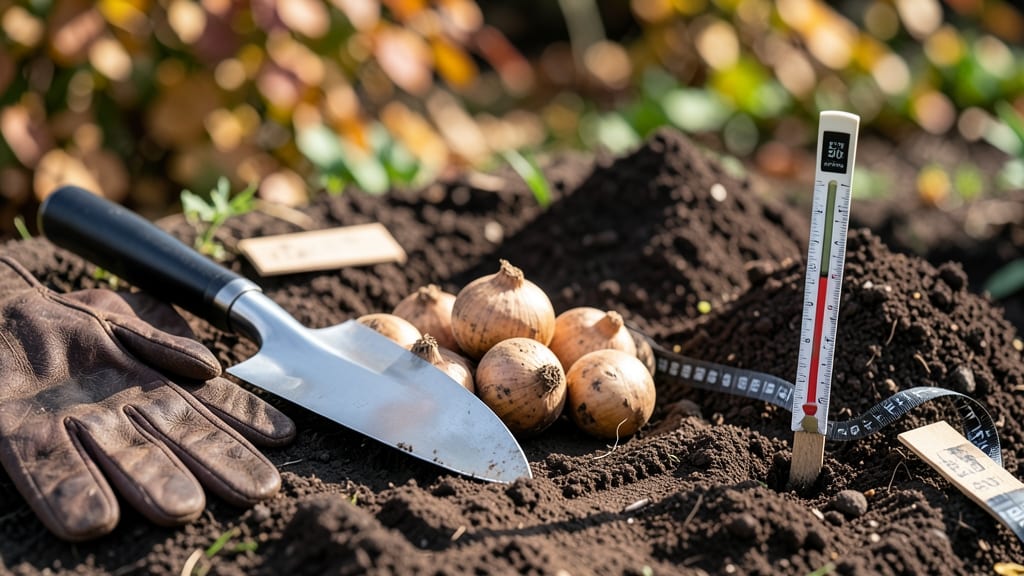
Planting tulip bulbs in Pennsylvania between September and November ensures they get the chill hours they need to bloom spectacularly next spring 🌷.
Timing your tulip bulb planting in Pennsylvania’s unpredictable climate can mean the difference between a breathtaking spring display and wasted effort—here’s how to nail the perfect window for Zone 6-7 success.
Most gardeners in PA wait until October, when soil temperatures drop below 60°F, but early September planting works too if you mulch well. The key is getting those bulbs in the ground 4-6 weeks before the first hard frost.
Below, I’ll break down the exact chill requirements for tulips, how to adjust for PA’s microclimates, and the simple soil prep that makes all the difference for next year’s blooms.
Best months to plant tulip bulbs in PA (with chilling requirements explained)
Pennsylvania’s Zone 6-7 climate creates a perfect window for planting tulip bulbs—but timing is everything. Plant too early, and they’ll sprout prematurely; too late, and they won’t get enough cold stratification to bloom. The sweet spot? September through November, when soil temperatures drop but ground remains workable.
Tulips need 12-16 weeks of cold (below 40°F) to trigger flowering. In PA, this means planting 4-6 weeks before the first hard frost. For most regions, that’s mid-September to early November, but rural areas with colder microclimates can extend planting into December.
Here’s the ideal timeline for Pennsylvania gardeners, including chilling requirements and frost dates:
| Planting Window | Soil Temp | Chilling Needed | Frost Risk | Best For |
|---|---|---|---|---|
| Mid-September | 50-60°F | 14-16 weeks | Low | Early bloomers |
| October | 40-50°F | 12-14 weeks | Moderate | Standard varieties |
| November | 35-45°F | 10-12 weeks | High | Late bloomers |
| Early December | Below 35°F | 8-10 weeks | Very High | Rural areas only |
In urban PA, where pavement retains heat, aim for early September planting to avoid premature sprouting. Rural areas can push to mid-November if soil temps stay above freezing. Use a soil thermometer to confirm temps are below 50°F before planting.
Cold stratification isn’t just about temperature—it’s also about consistent moisture. After planting, water deeply to settle soil and keep bulbs hydrated until ground freezes. A 2-3 inch mulch layer (straw or shredded leaves) insulates bulbs and prevents soil heaving during freeze-thaw cycles.
Pro tip: Dwarf tulips (like Tulipa greigii) need slightly less chilling (10-12 weeks), while Darwin hybrids thrive with 14+ weeks of cold. Check seed packets for variety-specific needs—this fine-tuning ensures blooms on schedule.
Miss the window? Don’t panic. Pre-chilled bulbs (available at garden centers in late winter) skip the cold requirement. Plant these in March-April for a late-spring display, though blooms may be smaller. For best results, though, stick to fall planting—it’s the secret to vibrant, reliable tulips year after year.
Remember: Well-drained soil is non-negotiable. Tulips rot in soggy conditions, so amend heavy clay with compost or sand before planting. In Zone 7 (southern PA), add a lightweight mulch to delay soil warming in spring.
With the right timing and care, your PA tulips will reward you with bold blooms from April through May—proof that patience (and a little cold!) pays off. Happy planting! 🌷
How to adjust planting time for PA’s microclimates (urban vs. rural differences)
Pennsylvania’s diverse landscapes create unique microclimates that can shift your tulip planting window by 2-4 weeks. Urban areas like Philadelphia often stay 5-10°F warmer than rural zones, while mountain regions near Poconos or Allegheny Plateau experience earlier frosts.
These variations mean your neighbor’s perfect timing might not work for you.
City gardens with concrete heat absorption and limited airflow can extend your planting window into early November, while rural areas with cooler nights may need bulbs in by mid-October.
High-altitude regions above 2,000 feet often face earlier frost dates, requiring bulbs to be planted 4-6 weeks sooner than lowland areas.
To navigate these differences, use soil thermometers (aim for 50-60°F) and local frost date maps from Penn State Extension. Urban gardeners can push late plantings by using thick mulch layers (4-6 inches of straw), while rural gardeners should prioritize earlier planting to ensure bulbs establish roots before winter.
Urban vs. Rural Planting Adjustments
- Pros: Later planting possible
- Pros: Warmer soil extends window
- Cons: Risk of rot if planted too late
- Pros: Earlier frost dates
- Pros: Cooler soil prevents rot
- Cons: Shorter planting window
- Pros: Earlier bulb dormancy
- Cons: Shorter growing season
- Tip: Plant 4-6 weeks earlier
- Urban: Test soil pH (6.0-7.0)
- Rural: Add compost for drainage
- All: Mulch after planting
For urban gardeners, focus on well-draining soil mixes to prevent rot from late plantings. Amend heavy city soil with sand or perlite (20-30%) to improve aeration. Rural gardeners should prioritize organic matter (compost or leaf mold) to retain moisture during drier falls.
Both groups benefit from mulching with straw after planting to regulate soil temperature.
High-altitude gardeners above 1,500 feet should adjust their timeline by 2 weeks earlier than their lowland counterparts. For example, if your lowland neighbors plant in mid-October, aim for early October at higher elevations.
Use local weather stations (like NOAA’s Climate Data) to track soil temperature trends in your specific area.
Remember that tulips require vernalization—a period of cold to bloom properly. Urban heat islands may delay this process, so monitor bulb health in spring. If shoots appear weak or leggy, provide shade cloth during hot afternoons to protect emerging flowers.