
Plants
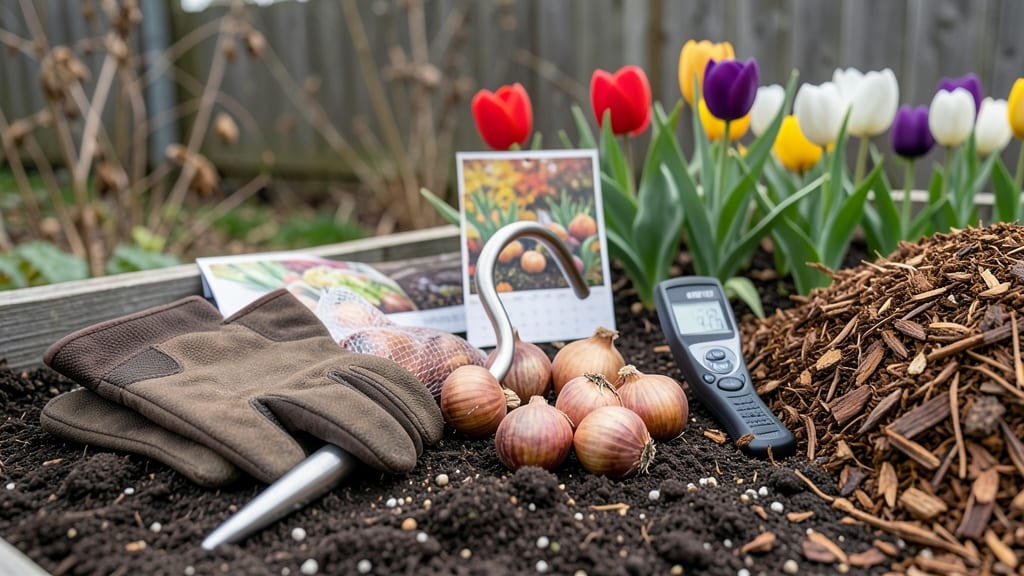
Planting tulip bulbs in Washington between October and December ensures they get the chill they need for vibrant blooms next spring.
Washington’s cold winters and mild springs create the perfect conditions for stunning tulip blooms—but timing is everything. Plant too early, and frost will damage tender bulbs; too late, and you’ll miss the ideal chill period for vibrant flowers.
Whether you’re in the Puget Sound’s milder Zone 7 or Eastern Washington’s colder Zone 6, the key is preparing your soil, choosing the right varieties, and protecting bulbs from winter moisture. Below, I’ll walk you through the exact steps to plant tulips for a showstopping spring display.
You’ll learn how to pick the best chill-ready varieties, prep your soil for Washington’s climate, and mulch for winter protection—so your tulips 🌷 emerge stronger and bloom brighter than ever.
Best planting months for Washington tulips: chill requirements by variety
Washington’s Zone 6-8 climate offers perfect conditions for tulips, but chill requirements vary by variety. Most tulips need 12-16 weeks of cold below 40°F (4°C) to bloom. Planting too early risks frost damage, while late planting may skip the critical chill period.
Let’s break down the best windows for Dutch, Darwin, and species tulips across Washington’s diverse microclimates.
Seattle’s milder winters (Zone 8) allow planting until early December, while Spokane’s colder climate (Zone 7) demands planting by mid-November. Early frosts in Eastern Washington can push planting dates even earlier. Understanding these regional differences ensures your tulips get the right chill exposure for vibrant blooms next spring.
For Seattle gardeners, the Puget Sound microclimate often delays first frosts until November 15. This gives you flexibility to plant Dutch and species tulips slightly later than inland areas.
However, Darwin hybrids, which need longer chill periods, should go in by November 1 to avoid missed bloom cycles.
In Spokane and Eastern Washington, colder temperatures mean earlier frost dates. Plant Darwin and Parrot tulips by October 31 to ensure they get enough chill.
If you’re unsure about frost dates, use a soil thermometer to confirm when temps consistently drop below 50°F (10°C)—this is your cue to plant.
If you miss the ideal window, don’t panic! You can still plant tulip bulbs in January, but expect smaller blooms or delayed flowering. For late plantings, consider container gardening and moving pots to a garage or cold frame during winter to simulate chill exposure.
Pro tip: Mulch heavily after planting with straw or shredded leaves to protect bulbs from freeze-thaw cycles. This is especially critical in Zone 6 areas like Wenatchee, where temperature swings can damage tender roots. A 3-inch mulch layer adds insulation without smothering the soil.
For urban gardeners in Seattle or Tacoma, take advantage of raised beds to warm soil faster in spring. This can help offset the milder winters and encourage earlier blooms. Just ensure your raised bed has good drainage—tulips hate soggy roots!
Remember, tulip bulbs need 6-8 weeks of root establishment before winter sets in. If you plant too close to frost, bulbs won’t anchor properly, leading to floppy stems or poor blooms. Aim to finish planting at least 4-6 weeks before ground freezes in your area.
Now that you’ve got your timing down, your next step is soil prep. Well-draining soil with a pH of 6.0-7.0 sets the stage for healthy bulbs. Stay tuned for my next section on Washington-specific soil hacks to maximize your tulip success!
How to prepare tulip bulbs for Washington’s climate: soil, depth, and chill hacks
Washington’s Zone 6-8 climate offers perfect conditions for tulips, but soil prep and chill requirements make all the difference. Before planting, focus on well-draining soil and proper bulb depth to prevent rot in our soggy winters.
Darwin hybrids, like ‘Red Emperor’, need extra chill hours—here’s how to give them what they need.
Start by testing your soil pH—tulips thrive in neutral to slightly acidic soil (6.0-7.0). If your soil is heavy clay, mix in compost or sand to improve drainage.
Washington’s Pacific Northwest winters bring moisture, so avoid planting in low spots where water pools. Raised beds are ideal for poor-draining areas.
Washington’s mild winters in areas like Seattle (Zone 8) may not provide enough chill for Darwin tulips. Simulate extra chill by storing bulbs in a garage or unheated shed for 8-10 weeks before planting.
Check your last frost date—most of Washington sees frost by November 15, so aim to plant by mid-October.
For soggy winters, like those in Western Washington, elevate bulbs in raised beds or containers. Use gravel or broken pottery at the bottom for drainage. Avoid planting in compacted soil, as it traps moisture and causes rot. If your yard floods often, consider container gardening for tulips.
After planting, water deeply to settle the soil but avoid overwatering. Tulips need consistent moisture but hate soggy roots. In Eastern Washington (Zone 6), where winters are colder, mulch with straw or evergreen boughs to protect bulbs from freezing. Remove mulch in early spring to prevent rot.
Finally, mark your tulip beds with stakes or flags—Washington’s mild springs can make it easy to forget where you planted. Once blooms fade, leave foliage until yellow to feed the bulb for next year. With these soil and chill hacks, your tulips will thrive in Washington’s unique climate! 🌷