
Plants
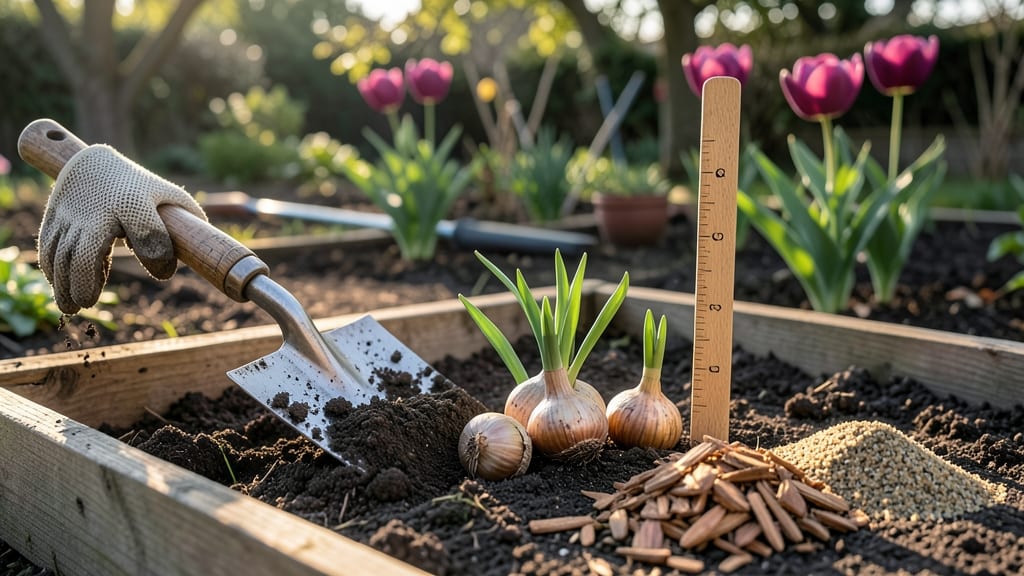
Planting tulip bulbs in Washington State between October and December ensures they’ll bloom vibrantly next spring 🌷—just before the ground freezes.
Washington State’s unpredictable winters and unique microclimates can make tulip planting tricky—but timing it right ensures stunning spring blooms that outlast the frost.
Whether you're in the rainy Puget Sound or the arid Columbia Basin, these exact planting windows will maximize your tulips' hardiness and beauty.
Below, I’ll break down the best months by USDA zone, soil prep tips, and how to protect your bulbs from Washington’s unpredictable freeze-thaw cycles—so you can enjoy bold blooms from April to June.
Best planting months for Washington tulips by USDA Zone (with exact dates)
Timing your tulip bulb planting in Washington depends on your USDA zone and local frost patterns. Most gardeners in WA zones 6-8 should plant between mid-October and December, but regional variations matter.
For example, Seattle (Zone 8a) has a longer planting window than Spokane (Zone 5b), where early frosts arrive sooner. Always aim to plant 4-6 weeks before the ground freezes to give roots time to establish.
Tulips require pre-chill hours (typically 12-16 weeks below 40°F) to bloom properly. Washington’s cool, wet winters provide natural chilling, but Eastern WA’s drier climates may need earlier planting.
Soil temperatures should be below 60°F at planting time—use a soil thermometer if unsure. In Zone 7-8, this usually means waiting until late October.
Here’s a quick reference for Washington’s tulip planting windows by zone, including adjustments for early/late frosts:
In Zone 5b (Spokane), where average first frost hits by October 31, plant tulip bulbs by mid-September to ensure roots establish before winter. Use mulch (3-4 inches) to insulate soil and protect bulbs from freeze-thaw cycles.
In Zone 8a (Seattle), you can plant as late as December 1, but aim for October-November for best results.
For Eastern Washington’s drier climates, like Yakima or Wenatchee, plant 1-2 weeks earlier than the zone guidelines to account for soil drying. Water deeply after planting to encourage root growth before the ground freezes.
In Western WA’s wetter zones, like Bellingham or Olympia, prioritize well-draining soil to prevent bulb rot during winter rains.
If you miss the ideal window, January planting is still possible in Zone 8a-8b, but bulbs may need extra chilling (e.g., refrigerate for 8-10 weeks). Avoid planting after January 15 in colder zones, as bulbs won’t have enough time to root before spring.
Always check your local Almanac frost dates for precise timing.
Pro tip: Plant daffodils alongside tulips—they’re deer-resistant
How to adjust tulip planting for Washington’s microclimates (rainy west vs. dry east)
Washington’s diverse microclimates demand tailored tulip planting strategies. The Puget Sound’s persistent rain contrasts sharply with Eastern WA’s drought-prone soils, while mountain valleys create their own unique challenges. Adjusting bulb depth, mulching, and soil drainage can mean the difference between vibrant spring blooms and disappointed gardeners.
In Western WA, where excess moisture lingers, tulips need raised beds or sandy soil amendments to prevent rot. Meanwhile, Eastern WA growers must prioritize water retention and deeper planting to combat dry spells. These regional tweaks ensure your tulips thrive regardless of Washington’s weather whims.
PROS-CONS BOX
🌧️ Puget Sound (Rainy West)
- ✅ Pros: Cooler temps delay frost heave
- ✅ Pros: Natural moisture reduces early watering
- ✅ Pros: Longer growing season for foliage
- ❌ Cons: Poor drainage risks bulb rot
- ❌ Cons: Fungal diseases thrive in wet conditions
- ❌ Cons: Shallow planting leads to premature sprouting
☀️ Eastern WA (Dry East)
- ✅ Pros: Warmer soils speed root establishment
- ✅ Pros: Less disease pressure from dry air
- ✅ Pros: Deeper planting conserves moisture
- ❌ Cons: Drought stress reduces bloom size
- ❌ Cons: Frost heave risks in freeze-thaw cycles
- ❌ Cons: Requires irrigation during dormancy
For Western WA gardens, focus on amending clay soils with compost and sand to improve drainage. I’ve found that mixing in perlite or vermiculite creates air pockets that prevent waterlogged conditions.
In my Seattle garden, I plant tulips in raised beds filled with a 50/50 mix of garden soil and coarse sand—this combo has kept my bulbs thriving for years.
In Eastern WA’s drier climates, prioritize organic matter like composted manure or leaf mold to boost water retention. I recommend planting tulips 8-10 inches deep here to protect them from temperature fluctuations.
For extra insurance, I top-dress with 3 inches of straw mulch after planting to lock in moisture and suppress weeds.
Mountain valley gardeners face unique challenges like early frosts and thin soils. Here, I adjust planting times slightly later (mid-November) and choose early-blooming varieties like 'Darwin Hybrid' tulips. These hardy types tolerate colder soils better than late bloomers, giving them a head start before mountain frosts return.
Remember that mulching strategies vary by region. In wet areas, use straw or pine needles to allow airflow, while dry regions benefit from thick organic mulch like wood chips. I’ve seen mulch thickness of 4-6 inches work best in Eastern WA, creating a protective barrier against both heat and drought.