
Flowers
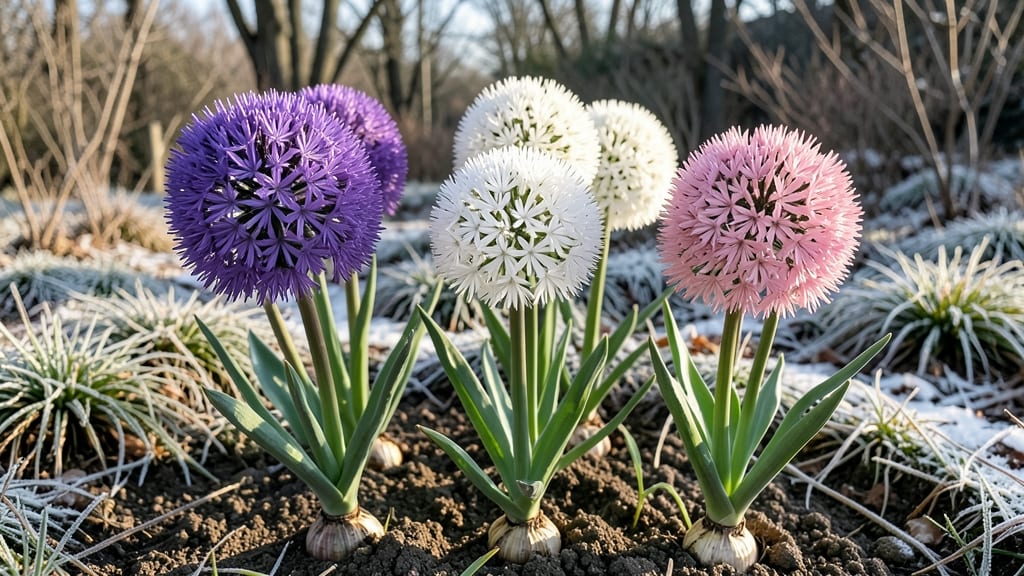
Cold weather shouldn’t stop your garden dreams. These 10 hardy winter flower bulbs bloom beautifully in freezing temperatures, offering vibrant color and resilience when most plants retreat. Perfect for gardeners in zones 3-7, these varieties bring life to your landscape even in winter’s grip.
Snowdrops: Delicate Blooms for Early Winter
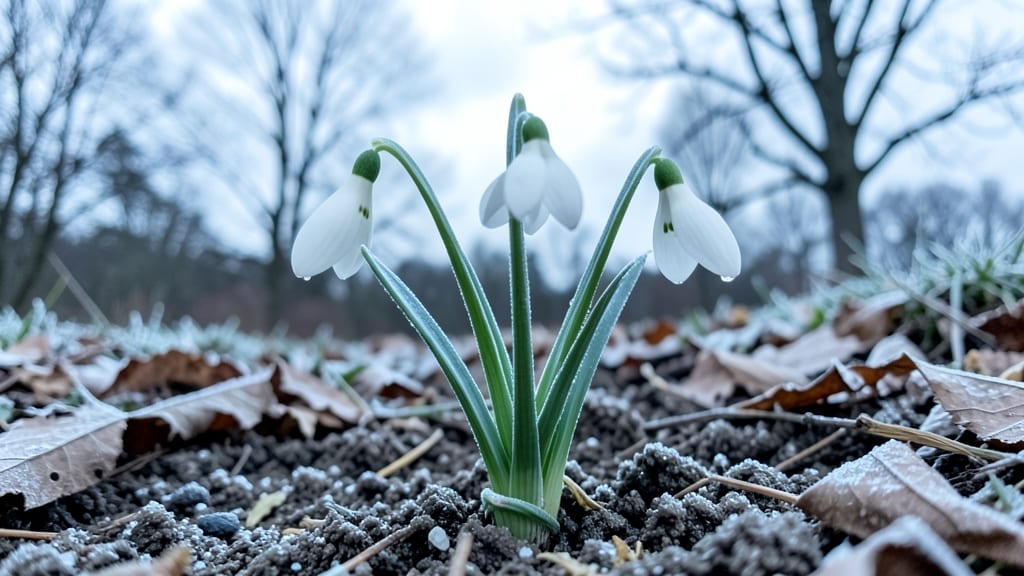
When winter’s chill feels unrelenting, snowdrops emerge as nature’s first sign of renewal. These tiny, bell-shaped blooms push through frost-kissed soil as early as late January in mild climates, offering a delicate splash of white hope when most gardens lie dormant.
Plant snowdrop bulbs in partial shade under deciduous trees or in woodland gardens where they’ll naturalize over time. They thrive in well-drained, slightly acidic soil and require minimal care—just avoid disturbing their clumps once established. A single bulb can multiply into dozens, creating a self-sustaining carpet of blooms year after year.
Perfect for gardeners who love low-maintenance yet high-impact plants, snowdrops bring joy to shady corners where other bulbs struggle. Their early blooms also make them ideal for forcing indoors in containers. 🌱
Winter Aconite: Bright Yellow Cheer in Frost
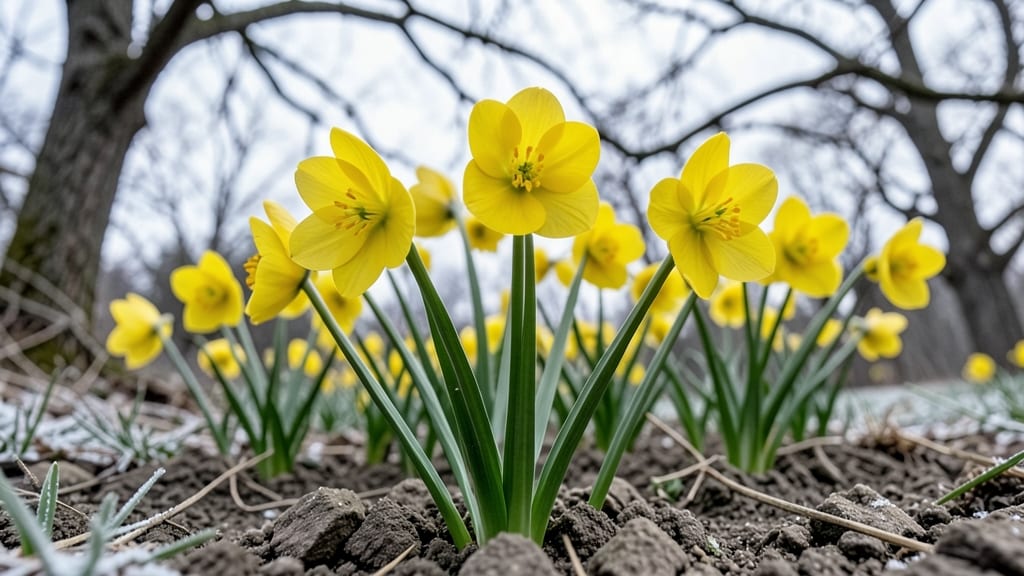
When your garden feels like a winter monochrome palette, winter aconite bursts in with its bright yellow blooms, defying the frost. Unlike many winter bulbs, this hardy plant thrives in full shade and even tolerates poor, rocky soil, making it ideal for under trees or shady borders where other plants struggle.
Plant the bulbs in fall (4-6 weeks before the ground freezes) at a depth of 2-3 inches, spacing them 3-4 inches apart. They’ll naturalize over time, spreading cheer year after year with minimal care—just ensure good drainage to prevent rot. The buttercup-like flowers appear in late winter, often while snow still lingers, offering a pop of color when you need it most.
Urban gardeners and shade-lovers rejoice: winter aconite is your secret weapon for early-season color without the fuss. It’s also deer-resistant, so you won’t lose your blooms to hungry visitors. 🌻
Crocus: Purple and White Stars in Late Winter
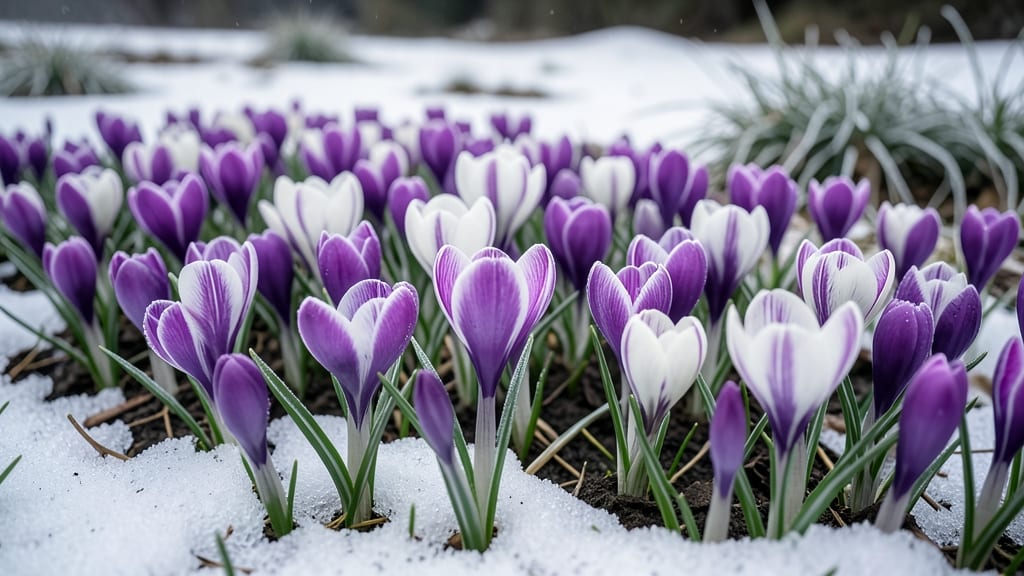
When the first hints of spring peek through melting snow, crocus bulbs burst into action with their purple, white, or striped blooms, often appearing before grass even turns green. This hardy bulb thrives in USDA zones 3-8, making it one of the most reliable early-season performers in cold climates.
Plant crocus bulbs in clusters (6-10 bulbs per group) for a dramatic carpet effect that transforms bare winter soil into a starry meadow. They’re deer-resistant and adaptable to sunny or partially shaded spots, including lawns, rock gardens, and containers. For best results, plant bulbs 3-4 inches deep in fall, and they’ll reward you with blooms in 4-6 weeks—often before most spring bulbs even sprout.
Urban gardeners and busy homeowners love crocus because they require minimal care once planted. Their early blooms also attract pollinators, giving bees a vital food source when little else is available. 🌷
Christmas Rose: Elegant White Blooms Under Snow
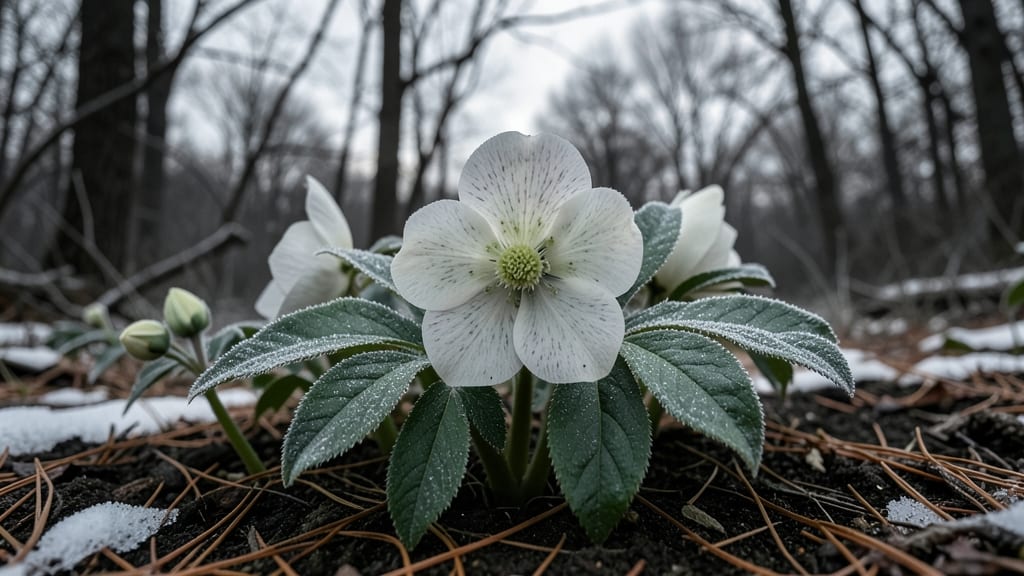
When winter’s chill turns your garden into a monochrome canvas, the Christmas rose (Helleborus niger) emerges like a ghostly apparition, its delicate marbled white blooms defying the frost. Unlike its spring-blooming cousins, this woodland perennial thrives in the heart of winter, often pushing through snow to reveal its elegant, waxy flowers.
Plant bulbs in shaded, moist soil under deciduous trees or along north-facing foundations, where they’ll naturalize over time. Mulch heavily after planting to protect roots from extreme cold, and avoid disturbing the area—these bulbs prefer undisturbed soil. Their year-round evergreen foliage adds texture even when not in bloom, making them a low-maintenance star for shade gardens.
Perfect for gardeners who crave winter interest without the fuss of annuals, Christmas roses bring a touch of magic to dark corners. Their late-winter blooms (December through March) make them ideal for holiday-themed gardens or as a focal point under bare tree branches. ✨
Glory-of-the-Snow: Pink and White Winter Jewels
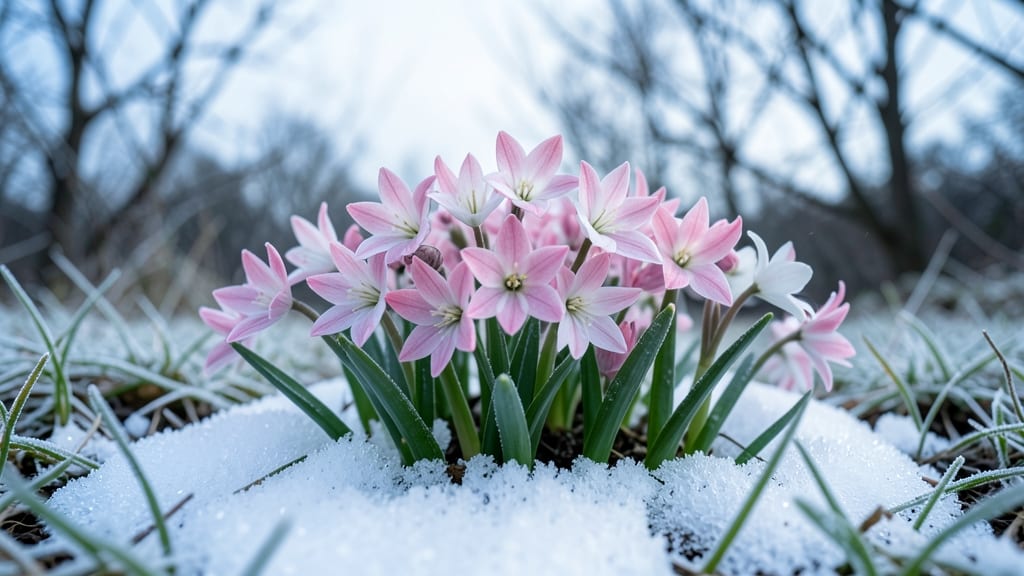
When your garden feels dormant under winter’s chill, glory-of-the-snow (Chionodoxa luciliae) emerges like a burst of confetti, defying the cold with its pink and white star-shaped blooms. Unlike its spring-blooming cousins, this bulb thrives in late winter, often pushing through snow to reveal delicate clusters that last for weeks.
Plant these bulbs in full sun to partial shade for the best results, making them ideal for rock gardens, sunny borders, or even containers on patios. They naturalize beautifully over time, creating a self-sustaining carpet of color with minimal care. A bonus? They’re deer-resistant, so you won’t lose them to hungry wildlife. 🌷
Siberian Squill: Blue Stars for Late Winter Gardens
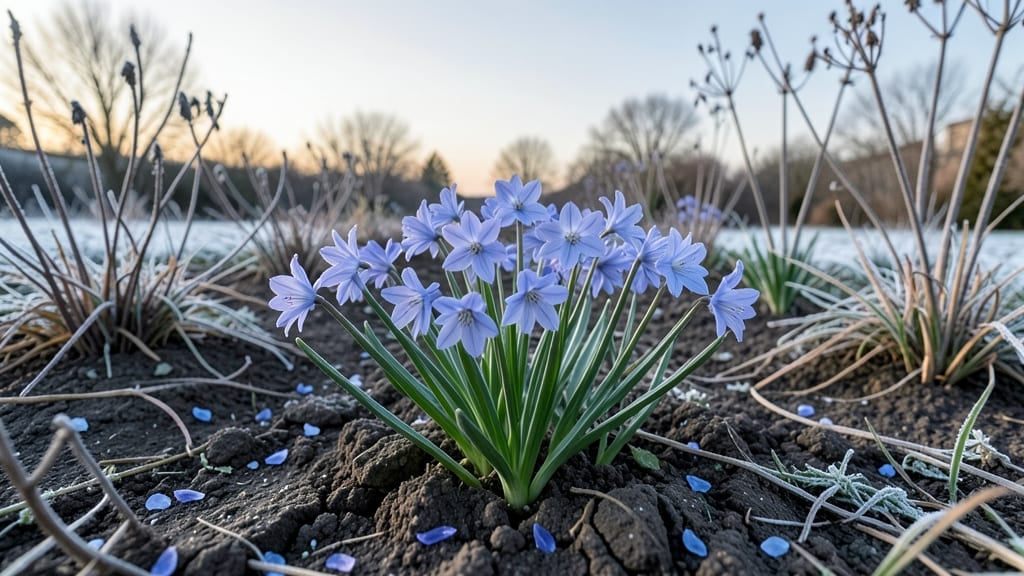
When your garden looks like a blank canvas after the first frost, Siberian squill steps in to paint it with delicate blue star-shaped blooms. Unlike its spring-blooming cousins, this hardy bulb thrives in late winter's chill, offering a burst of color when most plants are still dormant.
Plant these drought-tolerant bulbs in well-draining soil with full sun exposure—they’ll naturalize beautifully in rock gardens, containers, or even grassy meadows. Their low-growing habit (just 6-12 inches tall) makes them perfect for edging paths or filling gaps between stones. A single bulb produces multiple flowers, creating a stunning carpet effect when planted in clusters.
Ideal for gardeners in zones 3-8, Siberian squill requires minimal care once established. Perfect for small spaces, urban containers, or cottage-style gardens where you want year-round interest without the fuss. 🌟
Hellebore: Lenten Rose for Shady Spots
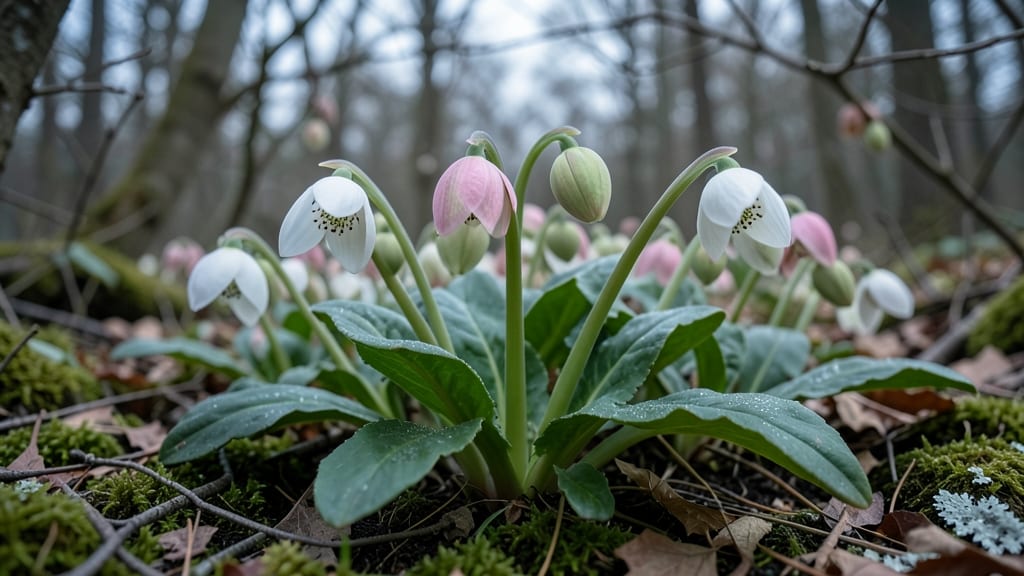
If your garden has areas where sunlight barely reaches, hellebores—also called Lenten roses—are your secret weapon. These shade-loving perennials produce delicate, nodding blooms in white, pink, or even green hues, often starting as early as late winter and lasting through spring.
Unlike many winter bloomers, hellebores thrive in moist, well-drained soil and even tolerate soggy conditions, making them perfect for woodland gardens or under trees. Their evergreen foliage provides year-round interest, while their flowers attract pollinators like bees and butterflies. Simply plant the bare-root crowns in partial to full shade and water occasionally—they’re nearly foolproof once established. 💚
Leucojum: Snowflake Flowers for Moist Areas
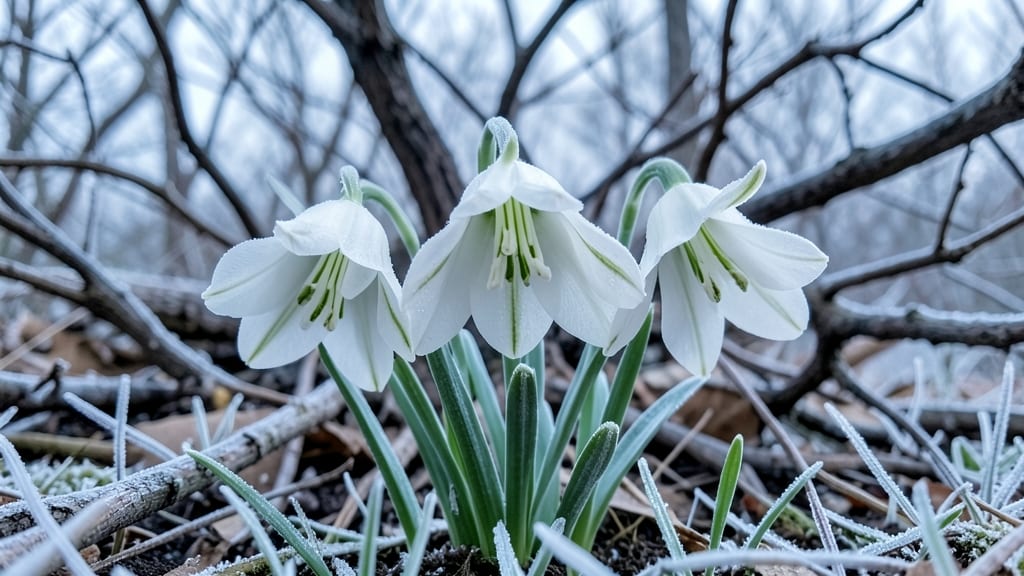
If you’ve ever wished for a flower that looks like it was plucked straight from a winter wonderland, leucojum—commonly called snowflake flowers—delivers that magical touch. Their delicate, bell-shaped blooms with green-tipped petals emerge in late winter, often when other plants are still dormant, and they thrive in spots where moisture lingers.
These moisture-loving bulbs are perfect for gardeners with damp or boggy areas, as they prefer well-drained but consistently moist soil. Plant them near pond edges, streams, or in shady borders where they’ll naturalize over time, creating clusters of ethereal white blooms that sway gently in the breeze. Their toxic nature to deer and pets makes them a low-maintenance choice for problem areas.
Ideal for woodland gardeners or those with shady spots, leucojum adds a whimsical, early-season splash of color that’s hard to find elsewhere. 🌷
Chionodoxa: Grape Hyacinth for Early Spring Color
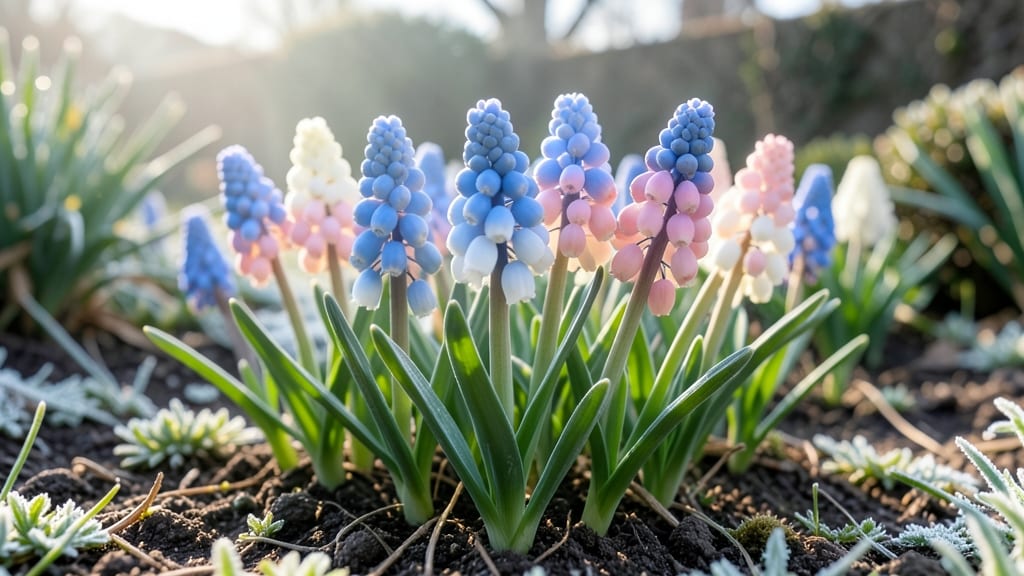
When early spring arrives and frost still lingers, chionodoxa (or grape hyacinth) bursts into clusters of blue, pink, or white bell-shaped blooms that feel like a cheerful surprise. Unlike late-winter bloomers, these compact charmers thrive in full sun to partial shade, making them perfect for containers, rock gardens, or even tucked into lawn edges.
Plant the bulbs in well-draining soil 4–6 inches deep in fall, and they’ll reward you with 2–4 weeks of vibrant color starting in late winter or early spring. Their low-maintenance nature and deer-resistant qualities make them ideal for urban gardeners or anyone seeking low-fuss early-season color. The delicate foliage also adds texture to borders long after the flowers fade.
Gardeners with limited space or rocky terrain will love how chionodoxa naturalizes effortlessly, creating a carpet of color with minimal effort. Perfect for brightening up patios, window boxes, or even forcing indoors for an early spring display. 🌻
Allium: Ornamental Onion for Late Winter Drama

When your winter garden feels flat, allium bulbs deliver dramatic height and texture with their globe-shaped blooms in shades of purple, white, or pink. Unlike other winter bloomers, they thrive in full sun and add architectural interest that draws the eye—ideal for cutting gardens or borders where you want structure.
These deer-resistant and drought-tolerant bulbs are low-maintenance champions, requiring minimal water once established. Plant them in well-drained soil in fall, and they’ll reward you with bold, long-lasting blooms that last from late winter into early spring. Their striking forms also pair beautifully with delicate snowdrops or crocuses for layered winter interest.
Perfect for gardeners who love bold statements without fuss, alliums bring drama to even the simplest winter landscapes. 🌻