
Planting
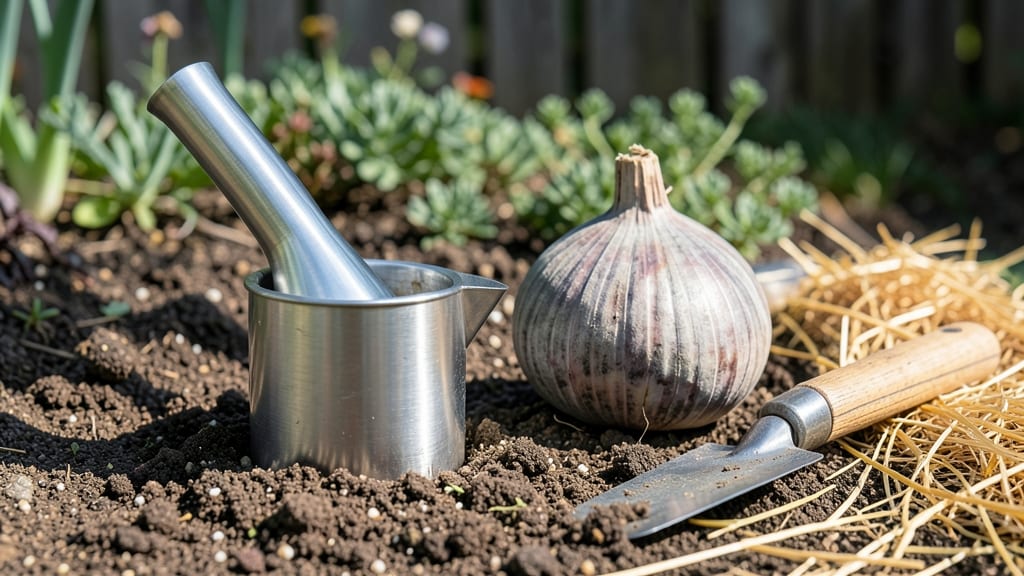
Planting Allium giganteum bulbs in fall ensures those 6-foot-tall purple globes dominate your garden next summer — but timing is everything.
Imagine towering purple blooms reaching 6 feet high in your garden — Allium giganteum delivers dramatic, globe-shaped flowers that become the centerpiece of any landscape. But timing is everything: plant too early or too late, and you’ll miss the show.
For most gardeners in Zone 6a and beyond, the September-October window is ideal, when soil cools but frost hasn’t arrived. Too soon, and bulbs rot; too late, and they won’t establish roots before winter.
Below, I’ll walk you through the exact month-by-month schedule for your zone, soil prep secrets, and how to space these giants so they don’t crowd each other — plus what to do if you missed the fall window.
Optimal planting times for Allium giganteum by USDA zone
Allium giganteum thrives when planted at the right time—too early, and the bulbs may rot; too late, and they’ll struggle to establish roots before winter. The key is cool soil temperatures (below 60°F) and well-draining soil. Most gardeners plant in fall, but late winter is an option in warmer zones. Let’s break it down by USDA zone to ensure your giant allium blooms on schedule.
For USDA zones 3-5, aim for late September to early October—this gives bulbs time to root before freezing. In zones 6-8, you can plant as late as November, while zones 9-10 allow for late winter planting (February-March).
Coastal areas may need adjustments: cooler microclimates (like Pacific Northwest) can plant 1-2 weeks earlier, while hot inland zones (e.g., desert regions) should plant earlier in fall to avoid summer heat stress.
🌱
| USDA Zone | Best Planting Window | Soil Temp Threshold | Regional Adjustments | Planting Method |
|---|---|---|---|---|
| Zones 3-5 | Late September–Early October | Below 60°F | Cooler zones: plant 2 weeks earlier | Bulbs only |
| Zones 6-8 | October–November | Below 65°F | Coastal: extend to December | Bulbs or seeds (fall) |
| Zones 9-10 | February–March | Below 70°F | Inland: plant by January | Bulbs only (seeds need stratification) |
🌷 Note: Seeds require stratification (4-6 weeks in fridge) and should be sown in late summer for fall germination.
If you’re planting seeds instead of bulbs, timing shifts: sow Allium giganteum seeds in late summer (August-September) for zones 3-7, or winter (January-February) in zones 8-10. Seeds need stratification—mimic winter by chilling them for 4-6 weeks before sowing.
For bulbs, depth matters: plant 6-8 inches deep, with 6-12 inches between bulbs to prevent overcrowding.
For container gardening, use well-draining pots (at least 12 inches deep) and plant bulbs 2-3 weeks earlier than in-ground to account for slower soil cooling. Coastal gardeners in zones 7-9 can push planting to December, but avoid soggy soils—Allium giganteum hates waterlogged roots.
In hot inland zones, mulch heavily after planting to retain moisture and regulate soil temps.
💧
One common mistake is planting too shallow—bulbs left near the surface may sprout prematurely or rot. Another is over-fertilizing at planting; wait until spring for a balanced fertilizer (e.g., 5-10-10) to encourage stem growth.
In zones 3-5, add a 2-inch layer of mulch after planting to insulate bulbs during winter. For zones 9-10, prioritize shade cloth in summer to prevent heat stress.
Pro tip: Stagger planting by 2-3 weeks to extend your Allium giganteum blooms. Plant half your bulbs in September and the rest in October—this ensures continuous 6-foot-tall drama from late spring to early summer. Pair with low-growing perennials (like salvias) to highlight their globe-shaped blooms.
🌿
After planting, water deeply once to settle soil, then reduce watering until spring. Avoid overhead watering—this can spread bulb rot. In drought-prone zones, group Allium giganteum with succulents or lavender to minimize water needs.
By following these zone-specific timelines, your giant allium will reward you with showstopping purple spheres year after year.
Signs your Allium giganteum bulbs are ready to plant (and common mistakes to avoid)
Your Allium giganteum bulbs won’t bloom their signature 6-foot purple globes unless planted at the right time. The key is catching them in their natural dormancy phase—when they’ve finished storing energy for spring growth.
Look for bulbs that feel firm but slightly soft when gently squeezed, with a dry, papery skin that’s no longer sticky or moist.
Size matters too: aim for bulbs that measure at least 3 inches in diameter. Smaller ones (under 2 inches) may produce weak stems or no flowers at all.
Store-bought bulbs often arrive pre-sized, but if you’re harvesting your own, wait until the foliage yellows completely before digging—this ensures maximum energy reserves.
⚠️ callout warning ⚠️
- ❌ Planting too shallow (<3 inches deep) causes top-heavy stems that flop in wind. Fix: Dig 6-8 inches deep for stability.
- ❌ Crowding bulbs (closer than 6 inches apart) leads to stunted growth and disease spread. Fix: Space for 12-inch circles around each bulb.
- ❌ Rich, wet soil rots bulbs. Allium giganteum thrives in sandy, well-draining soil with added grit (like perlite). Fix: Amend clay soil with 50% compost and 50% coarse sand.
- ❌ Planting in heat (soil temps above 70°F) stresses bulbs. Fix: Wait until fall temperatures drop below 65°F for root establishment.
- ❌ Skipping mulch lets winter temps freeze-thaw cycle bulbs. Fix: Apply 3-inch mulch layer of straw after planting.
🌱 Pro Tip: Test soil moisture before planting—bulbs rot in soggy conditions. Stick a trowel in; if water pools after 1 hour, amend the soil.
Timing your plant also depends on your USDA zone. In zones 3-5, aim for late September to early October—cool enough for roots to grow but not so cold that bulbs freeze.
Gardeners in zones 6-10 should plant by November 15th, or risk bulbs sprouting too early and getting fried by winter heat. A simple soil thermometer ($10 at garden centers) confirms readiness when temps hit 50-60°F.
Even with perfect timing, failed blooms often trace back to post-planting neglect. After planting, water deeply once a week until frost arrives, then taper to monthly in winter.
In spring, resume watering when shoots emerge, but avoid overhead watering—wet foliage invites fungal diseases like botrytis. A drip irrigation system keeps stems dry while delivering moisture to roots.
For a troubleshooting checklist, start with these red flags: no shoots by April? Your bulbs may be too deep or in poor soil. Floppy stems?
Add stakes at planting (6-foot bamboo works perfectly). Yellow leaves before blooming? Over-fertilizing or too much nitrogen—switch to a low-nitrogen bulb food like 5-10-10.
With the right bulbs, depth, and timing, your Allium giganteum will reward you with months of drama—from March’s first purple buds to June’s towering blooms.
The secret? Treat them like divas: give them space, sun, and soil that drains like a dream. Your garden’s centerpiece is worth the effort! 🌷