
Orchid Care
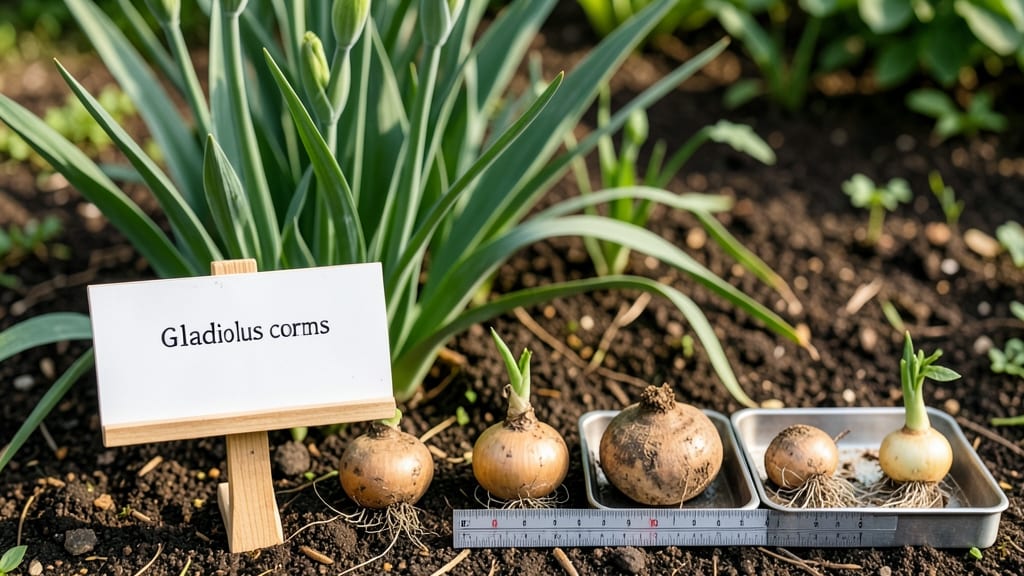
Gladiolus bulbs are not true perennials in most climates—they die back annually but can be overwintered as tender perennials with proper care, including lifting bulbs in cold regions or mulching heavily in mild zones.
Gladiolus plants behave like annuals because their underground corms—thickened stems that store nutrients—lack the cold hardiness of true perennials. 🌱 In regions with freezing winters, these corms can rot if left in the ground, which is why gardeners must treat them as seasonal plants unless they take protective measures.
The key to extending their life cycle lies in understanding their dormancy needs: they require a dry, cool environment during winter months to survive until spring planting.
For gardeners in Zone 5 or colder, lifting and storing corms in a cool, dry place (around 40-50°F) is essential. In milder climates like Zones 8-10, heavy mulching with straw or leaves can provide just enough insulation.
The difference between annual treatment and perennial care comes down to this one factor: protecting the corms from moisture and frost during their dormant period.
💡 In This Article
- Why Gladiolus Bulbs Act Like Annuals in Cold Climates
- Step-by-Step Guide to Overwintering Gladiolus Bulbs
Why gladiolus bulbs act like annuals in cold climates
Gladiolus corms—those thick, potato-like underground stems—are fundamentally different from true perennial bulbs like daffodils or tulips. Unlike hardy perennials that store nutrients in specialized bulb structures designed to withstand freezing, gladiolus corms contain 70-80% water and lack protective layers that prevent cellular damage when temperatures drop below 28°F.
This is why they behave like annuals in cold climates: their cells rupture when frozen, leading to irreversible rot. 🌱
The key lies in their natural dormancy cycle. Gladiolus plants originate from South Africa's temperate regions where winters are mild but dry. In colder climates, their biological clock still triggers dormancy in fall, but without protection, the corms can't survive the freeze-thaw cycles that true perennials endure.
Even a single night below 20°F can kill unprotected corms, making them vulnerable to soil-borne diseases and moisture loss during winter.
What makes this especially tricky is how gladiolus respond to moisture. While dormant, these corms need to remain completely dry—any excess moisture triggers fungal growth that rots the stored nutrients.
This is why gardeners in Zone 6 and colder must lift corms before the first frost, whereas milder zones can rely on mulching to create a microclimate that mimics their native dry winters. The difference comes down to this critical balance: protecting the corms from both cold AND moisture.
Here's what happens when you leave gladiolus in the ground during winter: the soil acts like an insulator, but it also retains moisture. As temperatures fluctuate, the corms experience repeated freeze-thaw cycles that create ice crystals within their cells.
These crystals puncture cell walls, releasing stored nutrients that become a feast for soil fungi. Within weeks, what could have been a healthy corm becomes a mushy, inedible mass. 💔
Interestingly, gladiolus corms can actually regenerate if stored properly. When kept at 40-50°F with 50-60% humidity and minimal handling, they maintain their viability for years. This is why many gardeners successfully overwinter them—because the corms aren't dead, they're just in suspended animation waiting for spring's warmth to trigger new growth.
The challenge is creating those ideal storage conditions without introducing pathogens.
Consider this comparison: a tulip bulb can survive -20°F winters because its scales create an airtight barrier, while a gladiolus corm has a porous surface that absorbs moisture like a sponge.
That's why even in Zone 7, where winters are milder, gardeners still need to take precautions—like adding 6-8 inches of straw mulch—to prevent soil moisture from seeping into the corms during winter rains.