
Blooming
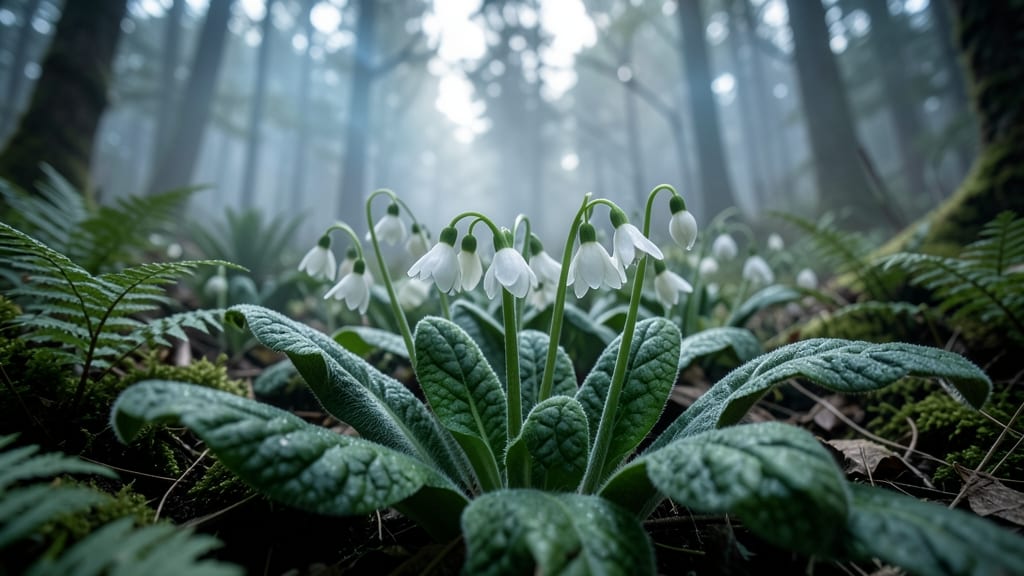
Winter gardens don’t have to be dull—these 10 hardy bulbs bring vibrant color and life when most plants are dormant. Perfect for adding seasonal interest, they thrive in cold climates and require minimal care.
Snowdrops: Delicate White Blooms for Early Winter
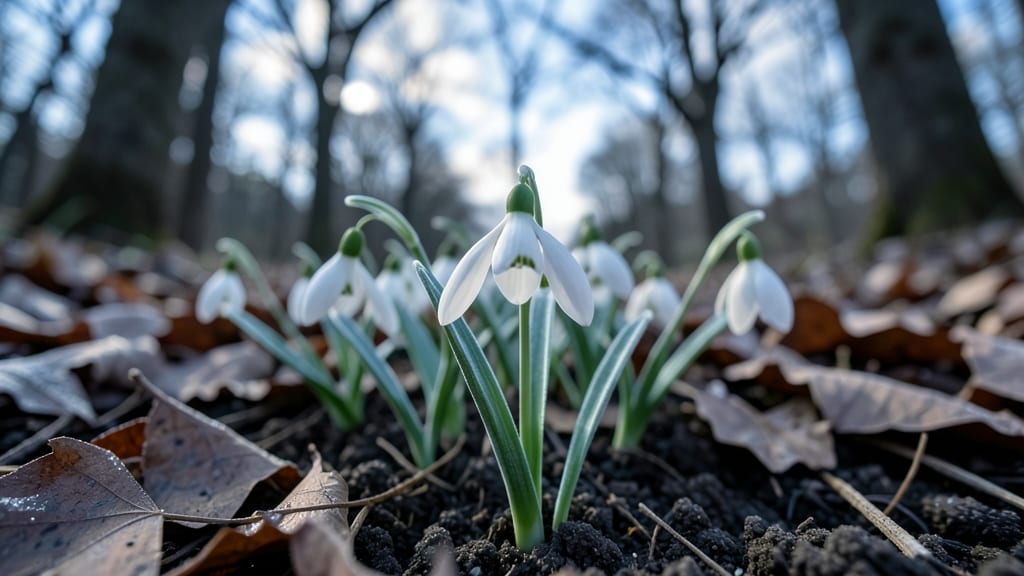
When winter feels endless, snowdrops pierce through the cold with their delicate white blooms, often appearing as early as December in mild climates. These first harbingers of spring thrive in spots where most plants refuse to grow—deep shade under trees or along wooded edges—making them perfect for underplanting shrubs or brightening dark corners.
Plant snowdrop bulbs in fall (September-October) at a depth of 3-4 inches in well-draining soil. They prefer moist but not soggy conditions and multiply over time, creating naturalizing drifts. Their drought-tolerant nature once established means minimal care—just enjoy their cheerful faces peeking through frost and snow.
These symbols of hope are especially rewarding for woodland gardeners or those with shady spots that feel neglected. Their early bloom time also makes them ideal for forcing indoors in containers. 🌱
Winter Aconite: Bright Yellow Cheer in Late Winter
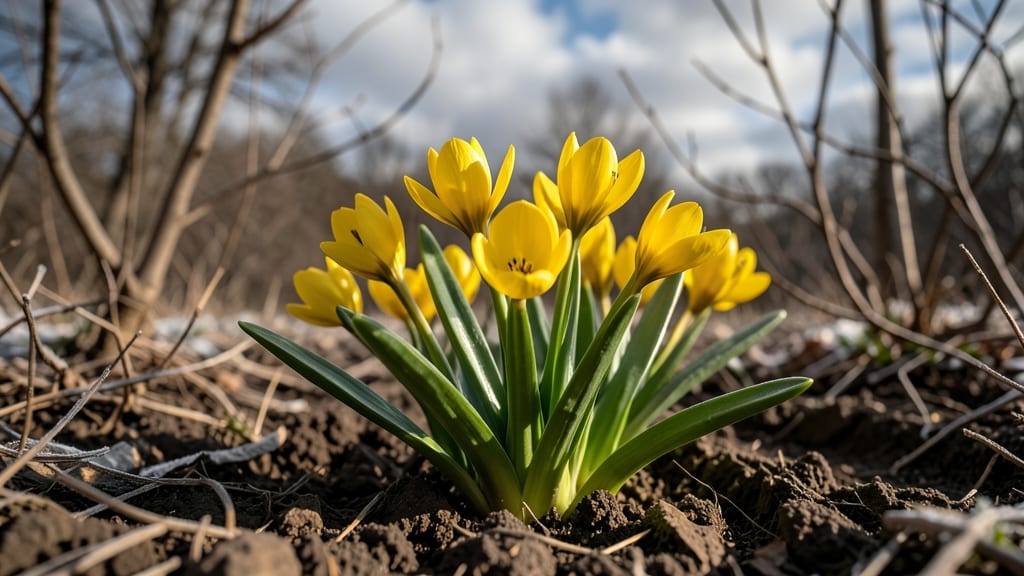
When your garden seems like a monochrome canvas in late winter, winter aconite (Eranthis hyemalis) bursts onto the scene with its sunshine-yellow blooms, often appearing as early as February in milder climates. Unlike snowdrops that prefer shade, this bulb thrives in full sun to partial shade, making it ideal for sunny borders where other plants are still dormant.
Plant the bulbs in well-draining soil in fall (September-October) at a depth of 2-3 inches, spacing them 2-3 inches apart. Their delicate, cup-shaped flowers contrast beautifully with bare branches or early spring foliage, and they’re surprisingly hardy in USDA zones 4-8. A bonus? Deer tend to avoid them, so they’re perfect for problem areas. 🌟
This cheerful bulb is especially rewarding for gardeners who love low-maintenance perennials—once established, winter aconite spreads gently over time, creating naturalizing drifts of color. Pair it with early crocuses or hellebores for a layered winter display that brightens even the coldest days. ✨
Crocus: Purple and White Stars in Cold Months
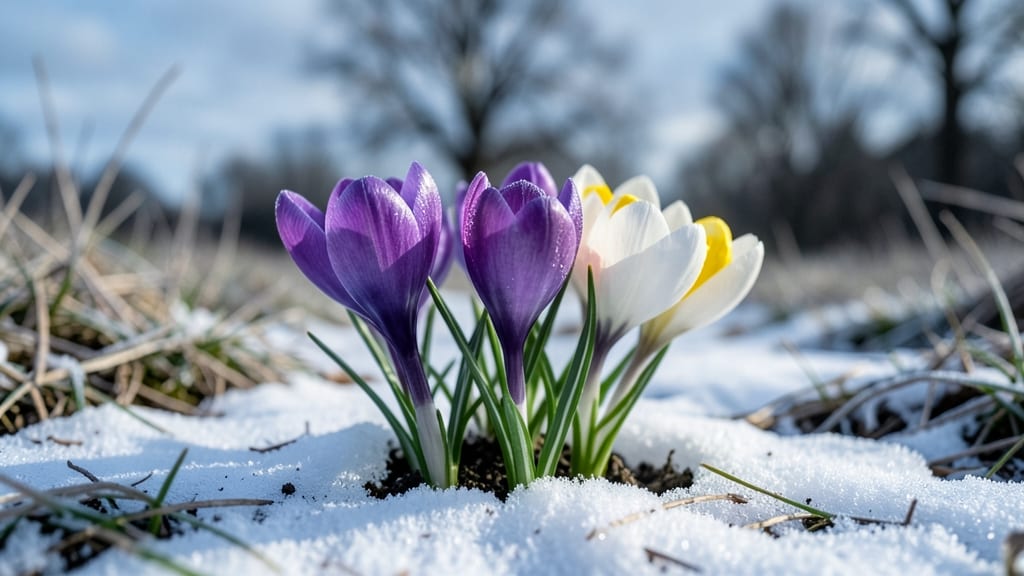
When winter’s chill makes other plants retreat, crocus boldly emerges as nature’s first splash of color. These cheerful blooms thrive in freezing temperatures (down to 10°F), making them ideal for gardeners in zones 3-8 who crave early-season beauty.
Plant crocus bulbs in fall (4-6 weeks before frost) in full sun to partial shade, just 3-4 inches deep. Their purple, white, or striped flowers appear as early as January, signaling spring’s arrival. Unlike many bulbs, crocus also grows well in containers, perfect for patios or balconies where garden beds aren’t an option.
Urban gardeners and beginners will love how low-maintenance crocus is—just water occasionally once blooms appear. Pair them with snowdrops for a two-tone winter display that’s both striking and effortless. 🌟
Winter Jasmine: Fragrant Yellow Clusters for Walls
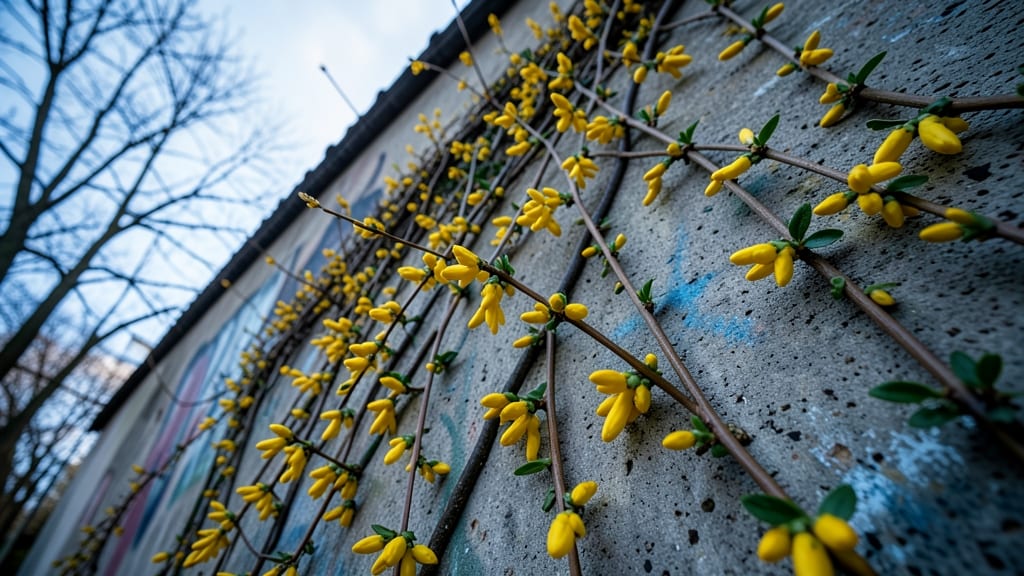
Turn dull urban walls into fragrant winter canvases with winter jasmine (Jasminum nudiflorum), a climbing plant that bursts into cheerful yellow blooms from late winter through early spring when most gardens are still bare.
Unlike traditional bulbs, winter jasmine thrives on vertical surfaces like trellises, fences, or brick walls, making it ideal for small spaces. Its semi-evergreen vines grow 8-10 feet long, while the highly fragrant flowers appear on bare stems—no leaves required. Plant in full sun to partial shade and water moderately once established; it’s hardy to Zone 6 and tolerates urban pollution. Prune after flowering to encourage bushier growth next season.
Perfect for city dwellers, winter jasmine adds instant vertical interest and a sweet citrusy scent that fills patios. Pair it with early bloomers like crocus for a layered winter display. ✨
Hellebore: Evergreen Leaves with Unique Blooms
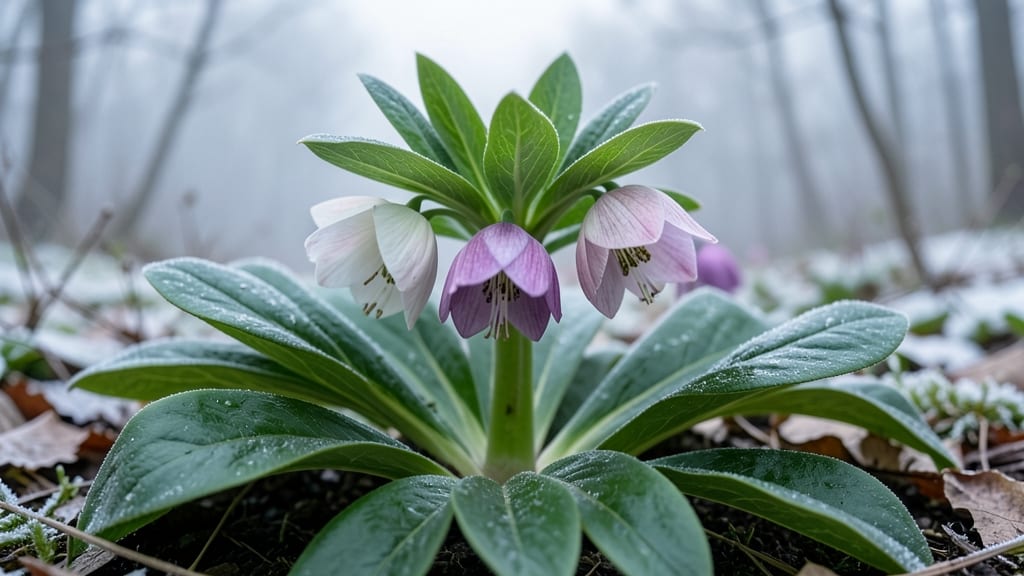
If you crave color in your garden when most plants are asleep, hellebore—or Lenten rose—is your secret weapon. Unlike other winter bloomers, hellebore delivers year-round interest with its glossy, evergreen leaves and delicate, nodding flowers in shades of pink, white, or purple that appear in late winter to early spring.
This shade-loving perennial thrives in partial to full shade, making it ideal for woodland gardens, under trees, or north-facing beds where sunlight is scarce. Its drought-tolerant once established and deer-resistant nature means less fuss for you. For best results, plant bulbs in well-draining soil in fall, and enjoy blooms that last for weeks—often through rain or snow.
Perfect for gardeners who love low-maintenance plants with high impact, hellebore adds texture and color when your garden needs it most. 💚
Christmas Rose: Dark Green Foliage with Maroon Blooms
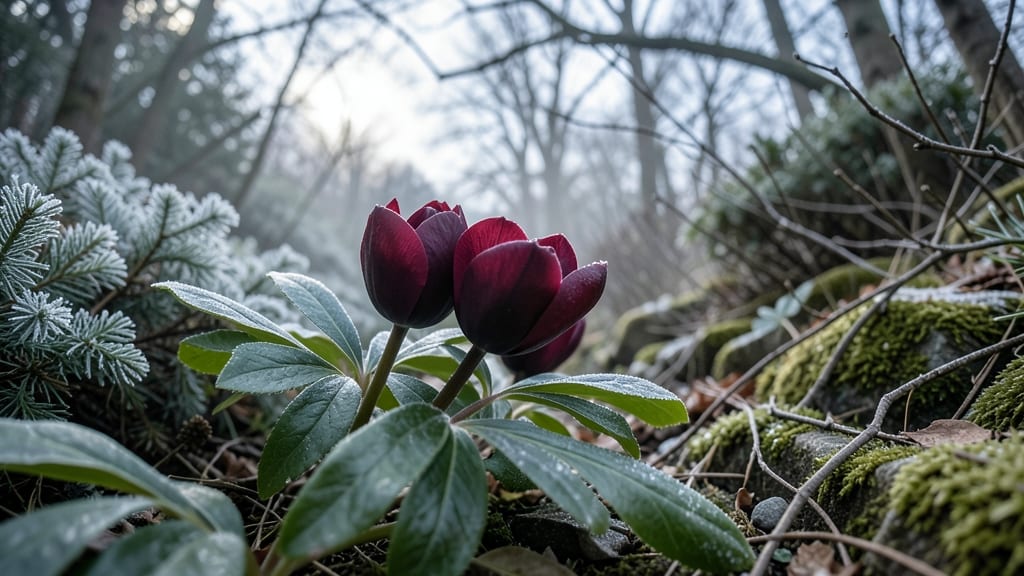
Transform your shady garden corners into a winter fairyland with Christmas rose (Helleborus niger), a woodland beauty that blooms when most gardens sleep. Its deep maroon flowers and glossy evergreen leaves create a bold contrast against frost-kissed foliage, making it a standout for late winter and early spring.
This hardy perennial thrives in partial to full shade and well-draining soil, perfect for under trees or along north-facing walls. Plant bulbs in fall (September-October) for blooms that appear from December through March, often before snow melts. Unlike other winter bloomers, Christmas rose’s evergreen foliage provides year-round interest, while its toxic nature deters deer and rabbits—ideal for protected garden spots.
Gardeners with woodland-style gardens or limited sunlight will love this low-maintenance plant, as it requires minimal care beyond occasional division every few years. Its elegant, dark maroon blooms add drama without needing full sun, making it a winter staple for those who crave color in the coldest months. 💚
Glory of the Snow: Pink and White Trumpet Flowers
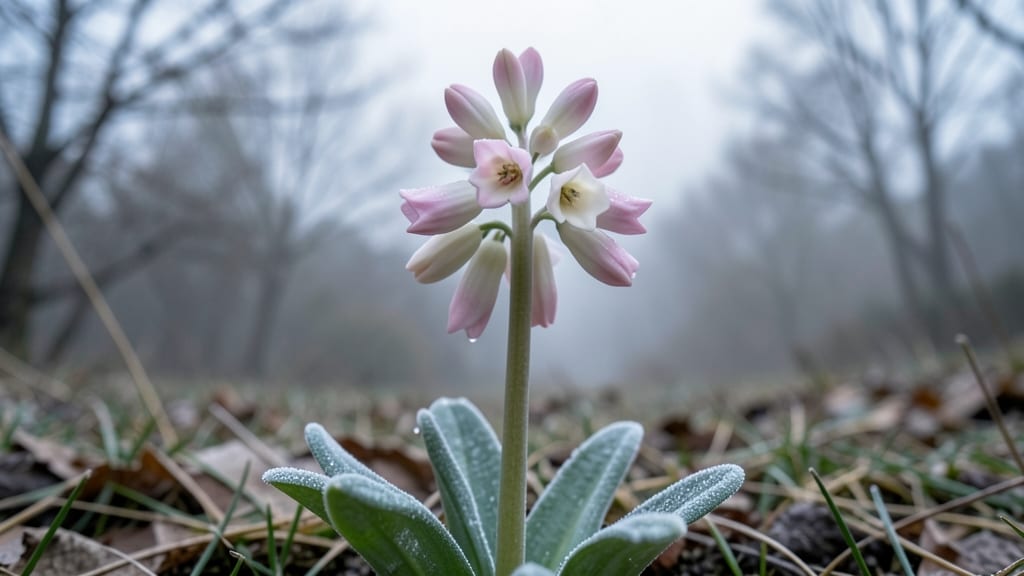
When your garden feels like it’s taking a winter nap, Glory of the Snow (Chionodoxa luciliae) bursts onto the scene with its delicate pink and white trumpet-shaped blooms, signaling that spring is just around the corner. Unlike other winter bloomers that hug the ground, these flowers grow on sturdy stems (12-18 inches tall), making them ideal for adding vertical drama to containers or borders where little else is blooming.
Plant these bulbs in well-draining soil in full sun to partial shade, and they’ll reward you with blooms from late winter to early spring (February–March in most zones). Their clumping habit creates a natural, layered look, and they’re deer-resistant, making them a low-maintenance choice for busy gardeners. Pair them with crocus or snowdrops for a layered winter display that feels both elegant and effortless.
Perfect for urban gardeners with limited space or anyone craving a pop of color in chilly months, Glory of the Snow proves that winter gardens can be just as striking as their spring and summer counterparts. 🌷
Siberian Squill: Tiny Blue Stars for Rock Gardens
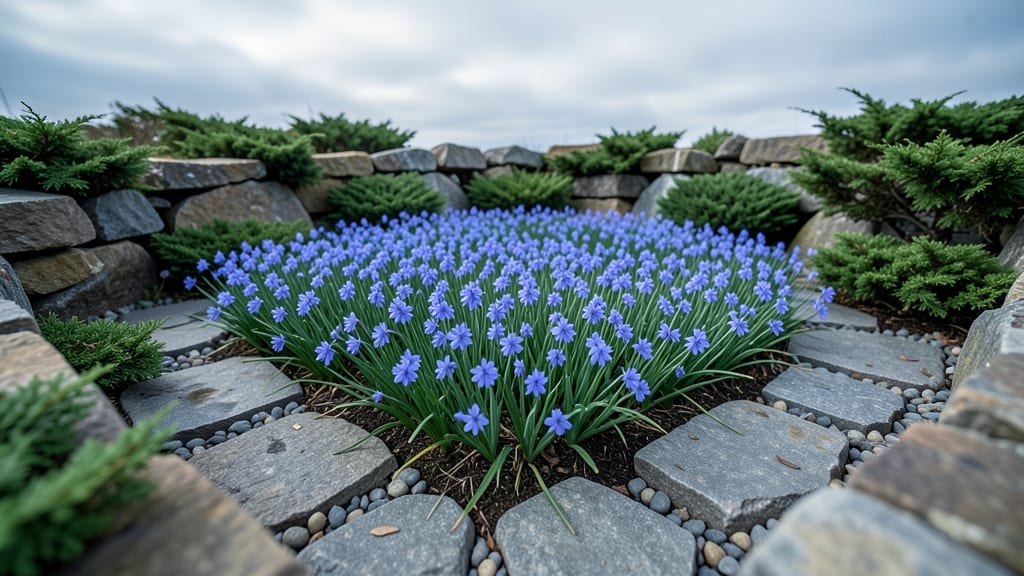
If you’re dreaming of a rock garden that pops with color when most plants are still asleep, Siberian squill is your secret weapon. These tiny blue stars bloom in late winter—often as early as February—creating a stunning carpet of color that contrasts beautifully against gray stones or evergreen foliage.
Plant Siberian squill bulbs in well-draining soil in fall, just 2 inches deep, and space them closely for that coveted dense effect. They thrive in full sun to partial shade and are drought-tolerant once established, making them perfect for alpine gardens or rocky slopes. Their low height (under 6 inches) lets them shine without competing with taller plants.
This low-maintenance gem is ideal for gardeners who love minimalist designs or want to add a burst of blue to their winter landscape. Pair it with other early bloomers like crocus for a show-stopping display. 💚
Daffodils: Classic Yellow Cheer for Sunny Spots
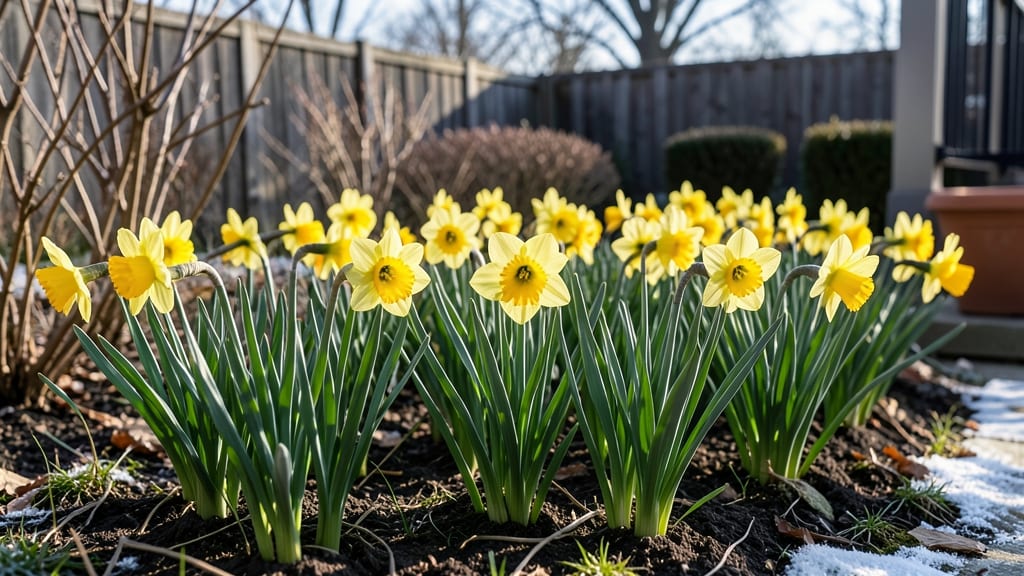
If you crave a bold statement in your winter garden, daffodils deliver unmatched cheer with their golden trumpets that seem to defy the cold. Unlike many winter bloomers, they thrive in full sun—making them perfect for sunny borders, containers, or even urban balconies where other plants struggle.
Plant daffodil bulbs in fall (October-November) at a depth of 6 inches in well-draining soil. Their deer-resistant nature and ability to naturalize over time mean fewer pests and more blooms each year. Choose early varieties like 'Tête-à-Tête' for late winter color or taller types like 'Ice Follies' for dramatic height in spring.
These low-maintenance stars are ideal for beginners or busy gardeners who want instant impact. Their bright blooms also attract pollinators early in the season, giving your garden a head start. 🌻
Snowflake: Delicate White Blooms for Woodland Gardens

If you crave a woodland garden that feels like a secret fairy retreat, snowflake (Leucojum vernum) is your hidden treasure. Unlike showy winter bloomers, its airy white bells create an ethereal, almost translucent effect—perfect for softening shady corners where hellebores and ferns already thrive.
This late-winter bloomer (February-March) prefers partial to full shade and moist, well-draining soil, making it ideal for underplanting trees or pairing with other shade-loving perennials. Its toxic-free nature (safe for pets) and self-seeding habit mean once planted, it spreads gently over time, creating naturalizing drifts without becoming invasive.
Shade gardeners and woodland enthusiasts will love how snowflake bridges the gap between winter’s dormancy and spring’s awakening. Plant bulbs in fall (September-October) at 3-4 inches deep for a dreamy display next year. 🌿