
Planting
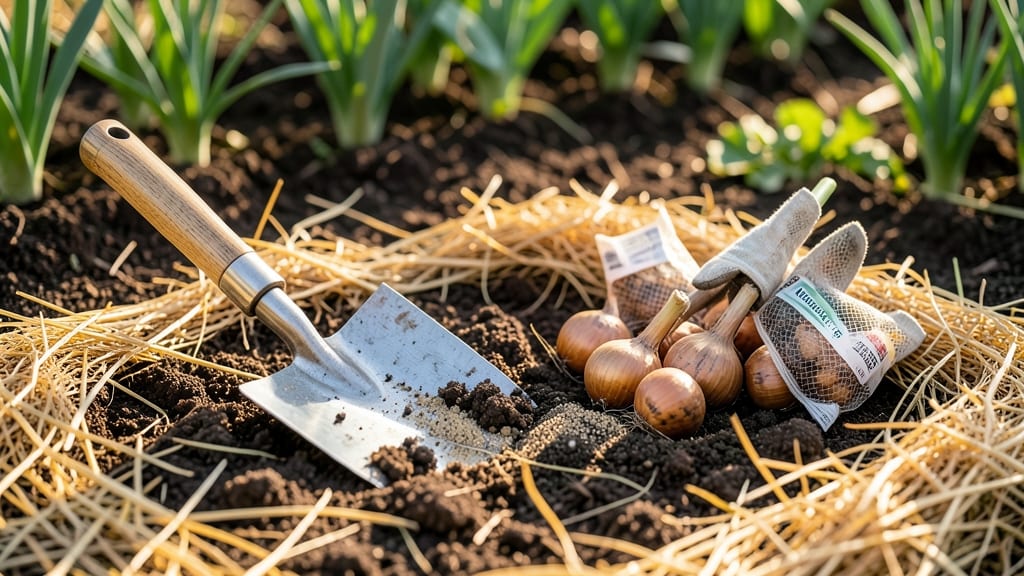
Planting bulbs in fall for Zone 7 gardens gives you a head start on spring blooms—the secret to reliable, year-after-year color. I’ve learned that fall-planted bulbs like daffodils and tulips naturalize beautifully, returning every season with minimal effort.
The cooler soil temperatures and consistent moisture help roots establish before winter dormancy, setting the stage for vibrant displays come March. Most bulbs need 6-8 weeks of cool soil to root before the ground freezes, so aim for planting between mid-September and early November in Zone 7.
A simple soil prep—amending with compost and ensuring good drainage—makes all the difference. I’ve seen firsthand how well-drained soil prevents rot, while rich compost fuels strong growth. By spring, you’ll have lush foliage followed by clusters of blooms that outshine anything from a store-bought bouquet.
The best part? Many of these perennials multiply over time, giving you free plants year after year. Whether you’re working with backyard beds or containers, these bulbs bring effortless beauty to any space.
For Zone 7 gardeners, timing is everything—plant too early and roots may sprout, too late and they won’t establish. But get it right, and you’ll have a garden that wakes up the neighborhood with color before the first hummingbird arrives. Let’s get those bulbs in the ground!
Nature’s Perfect Planting Timing
Fall is nature’s way of signaling bulbs to wake up from dormancy and prepare for spring blooms—but why does this timing work so well in Zone 7? The answer lies in a mix of temperature cues, soil conditions, and the bulbs’ own biological clocks.
Let’s break down the science behind why autumn is the ideal window for planting.
Most spring-blooming bulbs (like tulips, daffodils, and crocuses) need a period of cool but not freezing temperatures to break dormancy. In Zone 7, fall’s mild chill (typically 40–60°F) acts as a natural signal for bulbs to:
- Initiate root growth: Cooler soil temperatures (below 60°F) prevent premature sprouting while allowing roots to establish. This is critical—roots need 4–6 weeks to anchor before winter sets in.
- Store energy efficiently: Bulbs convert stored starches into root systems during fall, ensuring they’ll have the fuel needed to push shoots in spring. Warmer soil (like in spring planting) can cause bulbs to sprout too early, only to be damaged by frost.
- Avoid heat stress: Planting in summer or early fall (when soil is still warm) can cause bulbs to rot before they’ve had time to harden off. Zone 7’s autumn cooldown prevents this.
Pro tip: 🌡️ Aim to plant when soil temps drop below 60°F (use a soil thermometer if unsure). In Zone 7, this usually aligns with late September to mid-October.
Fall’s consistent moisture—without the risk of heavy rains or flooding—gives bulbs the hydration they need to root without rotting. Here’s why it’s perfect:
- Gradual water absorption: After planting, fall rains gently water the soil, encouraging root extension without oversaturating. Unlike spring, when bulbs might sit in soggy ground, fall’s drainage is often ideal.
- Natural insulation: Moist soil retains heat longer, keeping roots warm enough to grow but not so hot that bulbs overheat. This is especially key in Zone 7, where winters can fluctuate.
- Avoiding fungal risks: Warm, wet spring soil can promote fungal diseases (like Botrytis), but fall’s cooler temps keep pathogens in check while still providing moisture.
Watch out: ⚠️ If your fall is unusually dry, give newly planted bulbs a deep watering every 1–2 weeks until the ground freezes.
Bulbs are genetically programmed to bloom in spring because they’ve evolved to detect specific environmental triggers. In Zone 7, these cues align perfectly with fall planting:
| Trigger | What It Does | Zone 7 Fall Benefit |
|---|---|---|
| Chilling hours (vernalization) | Bulbs need 12–16 weeks below 40°F to "reset" their flowering cycle. | Zone 7 winters naturally provide this, ensuring bulbs won’t bloom too early (a common issue with spring planting). |
| Day length shortening | Reduced daylight in fall signals bulbs to prioritize root growth over foliage. | Prevents bulbs from sending up weak shoots that’d freeze in winter. |
| Soil microbial activity | Beneficial fungi and bacteria in fall soil help bulbs absorb nutrients. | Spring-planted bulbs miss this "boost," leading to slower establishment. |
Fun fact: 🌱 Some bulbs (like Allium species) even require a fall chill period to produce flowers—they won’t bloom if planted in spring!
Zone 7’s winters are mild but unpredictable, and fall planting gives bulbs a head start on insulation:
- Snow cover acts as a blanket: Bulbs planted in fall have time to develop roots before the first hard freeze. A light snow layer (common in Zone 7) adds extra protection against temperature swings.
- Less transplant shock: Bulbs planted in spring often struggle with sudden temperature drops, but fall-grown roots are hardier by winter.
- Natural mulch benefits: Fall leaves or straw mulch (applied after planting) help regulate soil temps, preventing freeze-thaw cycles that can damage shallow roots.
Zone 7 hack: 🍂 If you’re in a warmer microclimate (e.g., near a heat island), plant bulbs in shady spots or use a lightweight row cover for the first few weeks to mimic cooler conditions.
Fixing Common Fall Planting Mistakes
Fall is the perfect time to plant bulbs in Zone 7, but even experienced gardeners can run into hiccups—like soggy soil, missed planting windows, or pests ruining your hard work. Don’t worry! These practical fixes will help you avoid pitfalls and ensure your bulbs thrive year after year.
Cause: Bulbs need time to establish roots before winter, but planting too early can expose them to pests or rot.
Solution:
- 📅 Check the planting window: Aim for 6–8 weeks before the first hard frost (typically mid-October to early November in Zone 7).
- 🔥 For late bloomers (like tulips): Plant in early fall (September) to give roots time to grow.
- ⏰ For late fall bloomers (like daffodils): Plant in late fall (November) to avoid winter heaving.
Prevention Tip: 💡 Mark your calendar with local frost dates (check your USDA Zone 7a/7b specifics) to stay on track.
Cause: Bulbs rot if left in soggy soil, while dry soil can stunt growth.
Solution:
- 👨🍳 Dig well-draining soil: Mix in compost or sand if your soil is clay-heavy.
- 💧 Water deeply but infrequently: After planting, water once a week unless rain falls. Reduce watering as winter approaches.
- 🌡️ Avoid waterlogged spots: Plant bulbs on mounds or slopes if your yard floods easily.
Prevention Tip: ✨ Test your soil with a simple moisture check—stick your finger 2 inches down. If it’s damp, wait before watering.
Cause: Squirrels, voles, and deer love fresh bulbs for snacks!
Solution:
- 🔪 Use physical barriers:
- Chicken wire or hardware cloth (¼-inch mesh) over planted areas.
- Plant in containers if rodents are a recurring issue.
- 🌿 Plant deterrents nearby: Alliums, fritillaries, or daffodils (toxic to many pests).
- 🎯 Set traps early: If you’ve had issues before, place humane traps before planting.
Prevention Tip: 🔥 Plant in clusters—pests are less likely to dig up a whole bed if bulbs are densely packed.
Cause: Planting too shallow can expose bulbs to frost, while overcrowding leads to weak blooms.
Solution:
- 📏 Follow the "3x rule":
- Depth = 3x bulb width (e.g., a 2-inch tulip bulb goes 6 inches deep).
- Spacing = 3x bulb width (e.g., 6 inches apart for tulips).
- 🔥 Adjust for soil type:
- Sandy soil? Plant deeper (bulbs can dry out).
- Clay soil? Plant shallower (to avoid waterlogging).
Prevention Tip: 💡 Use a bulb planter with depth markers to stay consistent—no guesswork!
Cause: Freeze-thaw cycles can push bulbs too close to the surface, damaging them.
Solution:
- 🍳 Mulch heavily: Apply 4–6 inches of straw or leaves after planting to insulate soil.
- 🌡️ Choose cold-hardy bulbs: Daffodils, crocuses, and alliums handle heaving better than tulips.
- 🔪 Plant deeper in heavy clay: Add compost or sand to improve drainage and reduce movement.
Prevention Tip: ✨ Avoid walking on planted beds—compaction can worsen heaving.
Final Pro Tip: 🎯 Keep a planting journal! Note which bulbs thrive (or fail) each year to refine your strategy for next fall. Happy planting! 🌷
Frequently asked questions
Can I plant bulbs in containers instead of garden beds?
Containers are perfect for small spaces or areas with poor soil. Use pots at least 12 inches deep and ensure they have drainage holes. Plant bulbs close together (about 2 inches apart) and use a well-draining potting mix. Containers also make it easier to move bulbs to a sheltered spot if frost threatens.
How do I know if my soil is ready for fall planting?
Check soil temperature first—it should be below 60°F. Dig a small hole and feel the moisture: it should be damp but not soggy. If your yard floods easily, plant bulbs on a slight mound or amend the soil with compost or sand to improve drainage. A quick finger test works too: stick your finger 2 inches down—if it’s damp, you’re good to go!
What’s the best way to protect bulbs from squirrels and rodents?
Use physical barriers like chicken wire or hardware cloth (¼-inch mesh) over planted areas. Planting daffodils or alliums nearby also helps—many pests avoid their strong scent. For severe issues, try humane traps set before planting. A thick layer of mulch (4–6 inches) can also deter digging by making it harder for pests to reach the bulbs.
Can I plant bulbs too late in the fall?
Yes, but aim to plant at least 4–6 weeks before the ground freezes. In Zone 7, this usually means no later than mid-November. If you miss the window, store bulbs in a cool, dark place (like a garage) and plant them in early spring instead. Just know they may not bloom as well since they won’t get the full chilling period they need.
Do I need to fertilize bulbs after planting?
Not immediately—bulbs store enough energy to grow roots without fertilizer. However, you can add a balanced, slow-release fertilizer (like 10-10-10) to the soil before planting. In early spring, when shoots emerge, a light application of bulb-specific fertilizer or compost will give them a boost. Over-fertilizing can actually harm bulbs, so keep it light!