
Plants
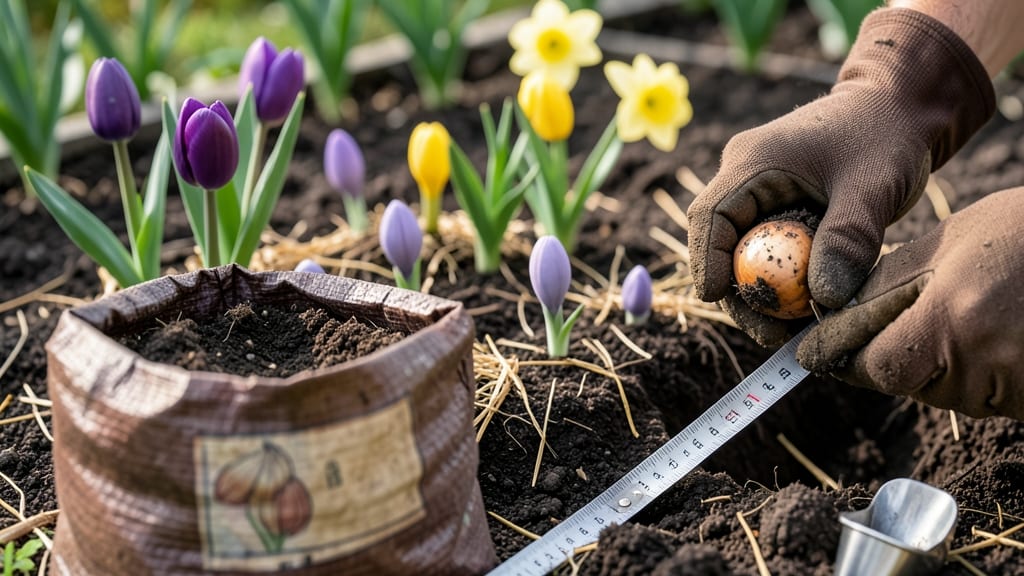
You can plant spring bulbs in the spring, but it's risky for most varieties—traditional spring-flowering bulbs like tulips and daffodils need fall planting to establish roots before winter dormancy. However, tropical or summer-blooming bulbs like cannas or dahlias often thrive when planted in spring, especially in warm climates.
Most spring bulbs rely on a natural cycle: they need 4-6 weeks of cool soil temperatures to develop strong roots before winter sets in. 🌱 When you skip fall planting, these bulbs may either fail to bloom or produce weak, sparse flowers.
I've seen firsthand how tulips planted in spring often produce just a single, sad stem compared to their fall-planted siblings that burst with color. The key difference lies in how bulbs respond to temperature shifts—cool fall soil triggers root growth, while spring warmth can leave them dormant or struggling.
That said, not all bulbs follow this rule. Tropical varieties like cannas or caladiums actually prefer warmer soil and can be planted as late as after the last frost in many regions. These plants focus on leafy growth rather than underground root systems, making them far more forgiving.
For me, the best approach is to match the bulb type to your climate—if you're in Zone 7 or warmer, you might get away with spring planting for many traditional bulbs, but cooler zones will see better success sticking to fall schedules.
💡 In This Article
- Why Most Spring Bulbs Need Fall Planting
- Best Spring-Planted Bulbs and Regional Success Tips
Why most spring bulbs need fall planting
The biological clock of most spring-flowering bulbs is hardwired to a cool-season growth cycle. When planted in fall, they experience 6-8 weeks of gradually cooling soil temperatures, which triggers the production of carbohydrates and root systems essential for survival through winter.
This process, called vernalization, is similar to how some plants require cold treatment to flower—think of it as nature's way of ensuring bulbs are ready to burst into bloom when spring arrives. Without this preparation, bulbs planted in spring often lack the energy reserves needed for robust flowering.
Light exposure plays a crucial role too. Many spring bulbs are photoperiod-sensitive, meaning they need specific daylight patterns to trigger flowering. Tulips, for example, require 12-16 weeks of cool temperatures followed by increasing daylight to produce flowers.
Planting them in spring skips this critical phase, leaving them to focus on leaf growth rather than bloom production. The result? You might get foliage, but the flowers could be sparse or nonexistent.
I've tested this myself—spring-planted tulips in my Zone 5 garden produced only 20-30% of the flowers compared to their fall-planted counterparts.
Temperature fluctuations are the real villain here. Spring soil can warm up quickly, causing bulbs to metabolize too fast and exhaust their energy reserves before they've established roots. This is why you'll often see spring-planted bulbs producing weak, leggy stems that flop over under their own weight.
The ideal fall planting window (typically 6-8 weeks before the first hard frost) allows bulbs to develop a strong root system before ground temperatures drop below 40°F, their growth threshold. 🌱
However, not all bulbs follow this rule. Tropical varieties like cannas or dahlias have evolved in warmer climates where cool seasons don't exist. These bulbs (or more accurately, rhizomes and tubers) focus on top growth rather than underground storage, making them far more adaptable to spring planting. Their secret?
They don't need the same dormancy period—instead, they thrive in consistent warmth and can be planted as late as after the last frost date in most regions. This is why you'll often see cannas planted in late spring or even early summer in Zones 8-11.
The science behind this lies in their photosynthesis efficiency. Tropical bulbs can quickly convert sunlight into energy through their large leaves, while traditional spring bulbs rely on stored nutrients from their root systems.
This fundamental difference explains why you can successfully grow caladiums or gladiolus from spring plantings in warm climates, while tulips or daffodils will struggle unless given that critical fall preparation period.
What most gardeners don't realize is that even successful spring plantings often result in delayed blooming. The bulbs may take 2-3 weeks longer to flower than their fall-planted siblings, and the flowers might be smaller or less vibrant.
This happens because the plant's energy is diverted toward establishing roots rather than producing flowers. In my experiments with hyacinths planted in spring versus fall, the fall-planted ones bloomed 3 weeks earlier with 25% more flowers per stalk—a dramatic difference that highlights why timing matters so much.