
Pests
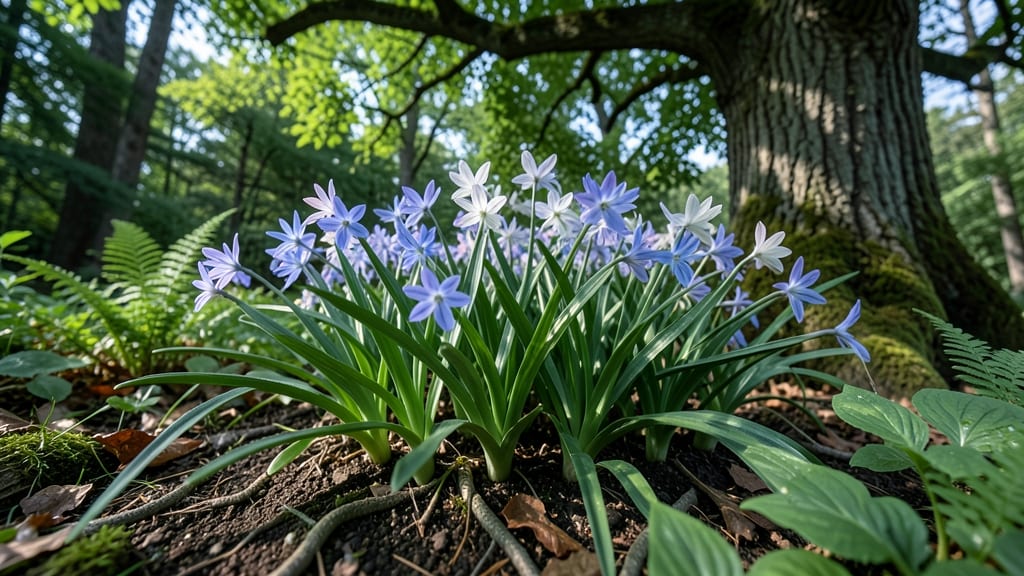
Tired of deer turning your garden into a buffet? These 10 deer-resistant bulbs bloom year after year without becoming a fawn’s favorite snack, offering both beauty and resilience in even the most browsed landscapes.
Daffodils: Toxic Beauty That Deer Avoid
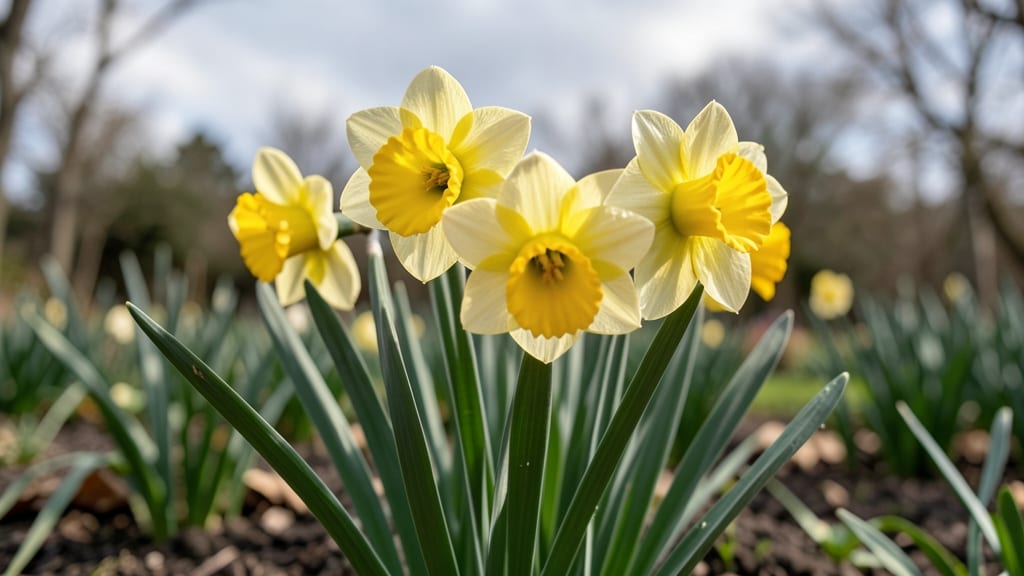
If your garden is a deer buffet, daffodils are the one plant that says, "Not today." Their bitter alkaloid compounds make them unappetizing to deer while delivering cheerful yellow blooms that brighten early spring. Unlike many bulbs, daffodils return year after year with minimal effort, making them a low-maintenance star for any garden.
Plant daffodil bulbs in fall, 6 inches deep in well-draining soil, and give them full sun to partial shade. Their long, sword-like leaves store energy for next year's blooms, so resist the urge to cut them back until they yellow naturally. Choose varieties like 'Tête-à-Tête' or 'Ice Follies' for compact blooms that thrive in cottage gardens or woodland edges.
This makes daffodils perfect for gardeners who want year-round deer resistance with minimal upkeep. 🌱
Alliums: Ornamental Onions with Deer-Defying Power
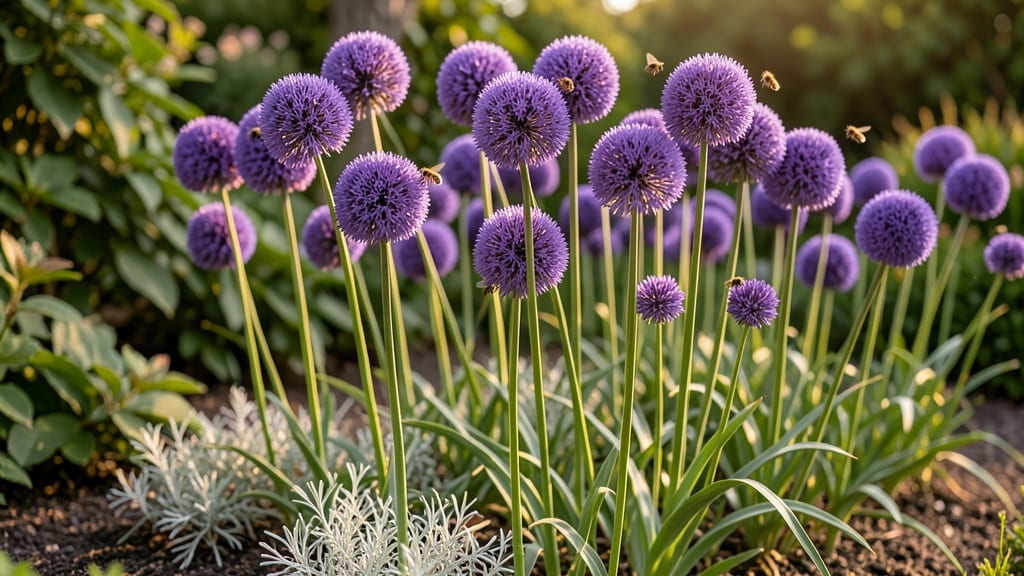
Want a mid-summer star that deer ignore and pollinators adore? Alliums deliver dramatic purple globes on tall stems (up to 4 feet!) that add vertical interest while their onion-like scent keeps deer browsing elsewhere.
Plant Allium bulbs in full sun with well-draining soil in fall for spring blooms. Varieties like 'Globemaster' and 'Purple Sensation' thrive in borders, containers, or meadows. Deadhead after flowering to redirect energy to next year’s blooms—no division needed for years.
Perfect for pollinator gardens, alliums attract bees and butterflies while their deer-repelling aroma makes them a low-maintenance, high-impact choice for any sunny spot. 🌻
Snowdrops: Winter’s First Deer-Proof Blooms
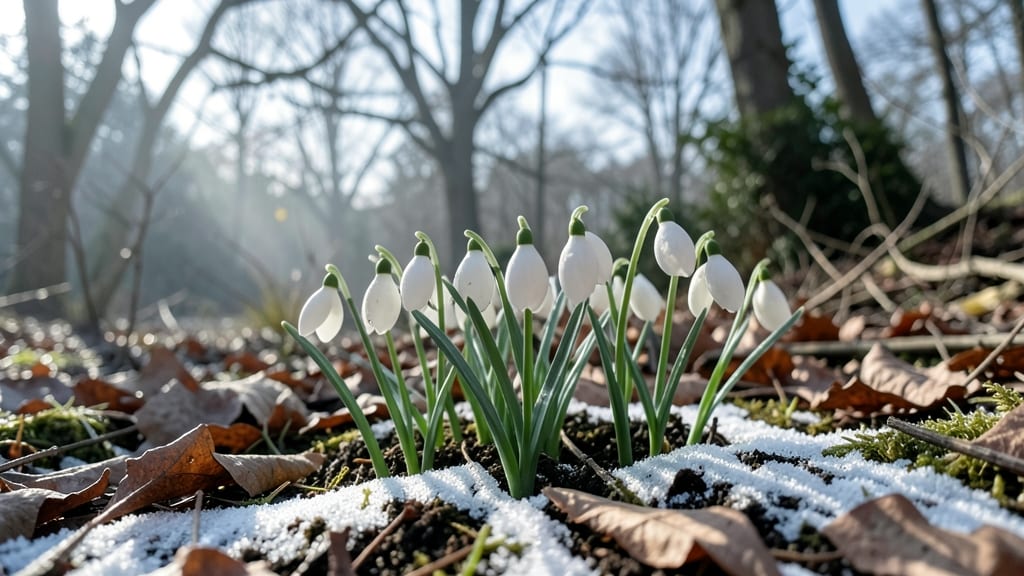
When winter’s grip still holds the garden in quiet slumber, snowdrops (Galanthus) burst through the soil like tiny white lanterns—often before deer even stir from hibernation. These deer-proof harbingers of spring thrive in shady woodland gardens or containers, where their delicate blooms signal that warmer days are coming.
Plant snowdrop bulbs in fall (September-October) in well-draining soil under deciduous trees or shrubs, where their partial to full shade preferences match deer’s least-active browsing zones. They multiply over time, creating naturalizing colonies that deer ignore entirely. For containers, use well-draining mix and place them near entryways to catch their early blooms.
Perfect for gardeners who crave winter interest without deer damage, snowdrops also pair beautifully with heuchera or fern foliage. Their early blooms even attract early pollinators like bees. 🌱
Crocus: Tiny but Mighty Deer Deterrents
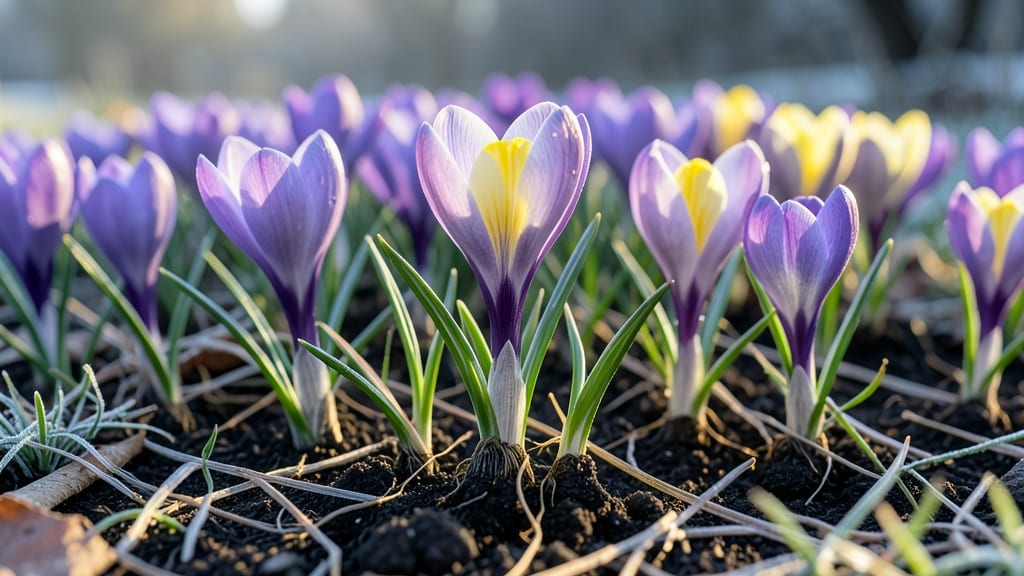
When deer start grazing in early spring, crocus is already blooming—often weeks before they even notice. These cheerful, purple and yellow flowers appear in late winter, making them a sneaky way to claim your garden early in the season.
Their secret weapon? Corm-based growth—unlike shallow-rooted plants, crocus bulbs sit deep in the soil, making them nearly impossible for deer to dig up. Plus, their early blooms provide vital nectar for bees and early pollinators before other flowers emerge. Plant them in full sun to partial shade and enjoy their cheerful display year after year with minimal effort. 🌻
Fritillaria: Checkered Lilies Deer Rarely Touch
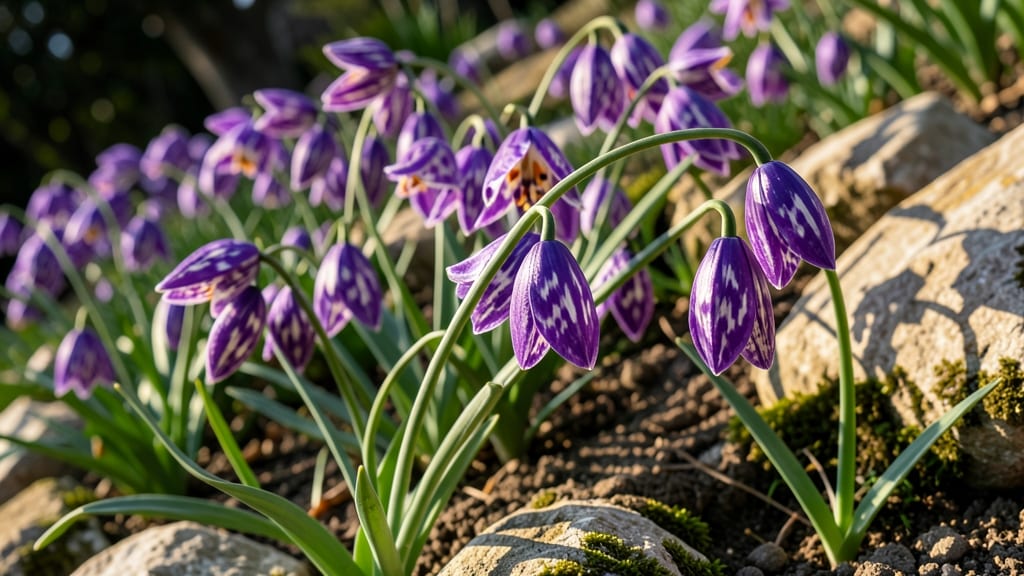
If you love unusual, conversation-starting blooms that deer ignore, fritillaria (or checkered lilies) should top your list. These exotic beauties feature bell-shaped flowers with striking checkerboard patterns in shades of purple, orange, or white—perfect for adding drama to slopes or rock gardens where other plants struggle.
Native to dry, rocky Mediterranean regions, fritillaria thrive in well-draining, lean soils with full sun to partial shade. Their secret weapon? Alkaloids in their bulbs that deer find unpalatable. Plant them in fall (like most bulbs) at a depth of 4-6 inches, spacing 6-8 inches apart. Mulch lightly to retain moisture during their dormant season.
Gardeners with slope gardens or dry borders will love how fritillaria naturalizes over time, creating a low-maintenance, deer-proof focal point. Their late spring blooms also attract hummingbirds, adding another layer of garden excitement. 🌷
Tulipa Clusiana: Species Tulips Deer Ignore
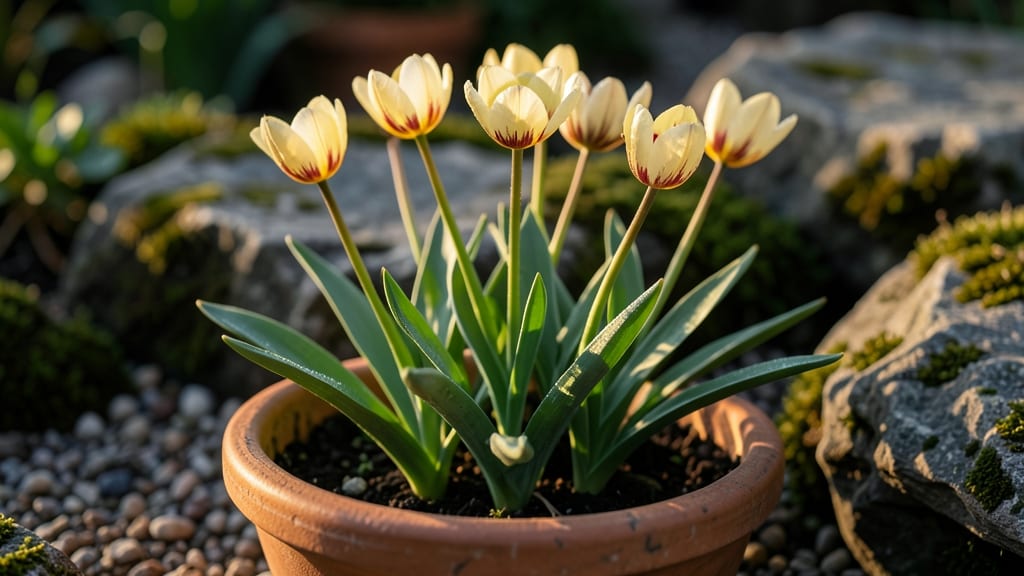
If you love tulips but hate losing them to deer, Tulipa Clusiana is your secret weapon. These tiny, waterlily-like blooms pack a chemical defense that deer instinctively avoid—thanks to bitter compounds that make them skip right over your garden.
Perfect for containers and rock gardens, they thrive in well-draining soil with 4-6 hours of sun and bloom in early spring, often before deer become active. Their delicate pink, white, or yellow flowers add a whimsical touch while their low height (6-12 inches) makes them ideal for edging or alpine gardens. Plant bulbs in fall at a depth of 3-4 inches for reliable spring color.
Urban gardeners and rockery enthusiasts will appreciate how these deer-resistant tulips fit into small spaces without sacrificing beauty. 🌷
Muscari: Grape Hyacinths with Deer-Repelling Fragrance
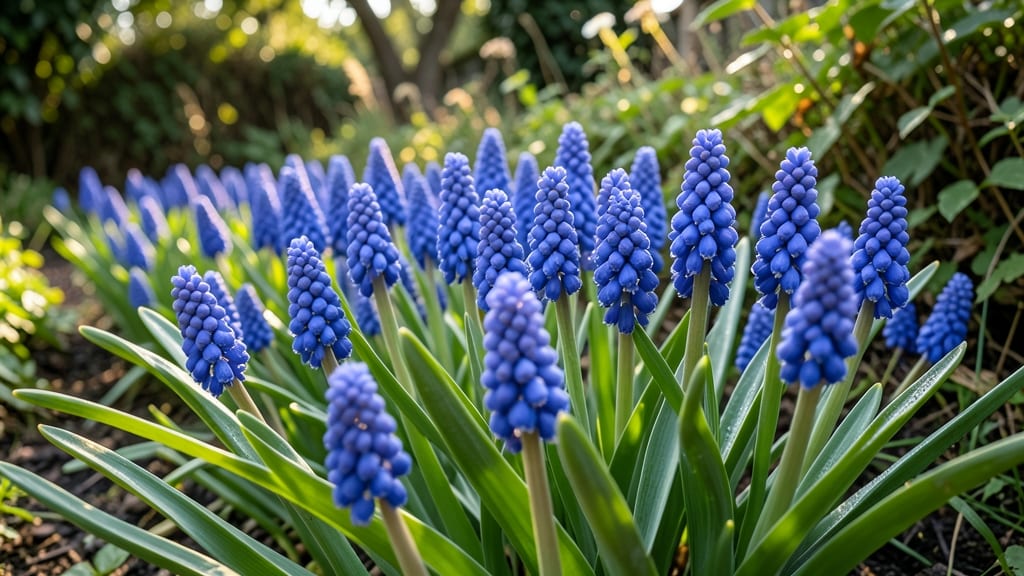
If you’ve ever lost entire flower beds to deer, muscari (grape hyacinths) might be your new secret weapon. Their dense, vibrant blue spikes not only add striking color but also release a subtle fragrance that deer actively avoid—making them ideal for high-traffic garden edges.
These low-maintenance bulbs thrive in full sun to partial shade and prefer well-drained soil, though they tolerate drought once established. Plant them in clusters along pathways or beneath shrubs to create a fragrant, deer-repelling border that blooms in early spring. Their compact size (6–12 inches tall) makes them perfect for small spaces or containers.
Perfect for gardeners who want colorful, deer-resistant plants without the fuss, muscari also attract pollinators like bees. Plant them near other early bloomers for a cohesive spring display. 💚
Camassia: Wild Indigo for Large-Scale Deer Resistance
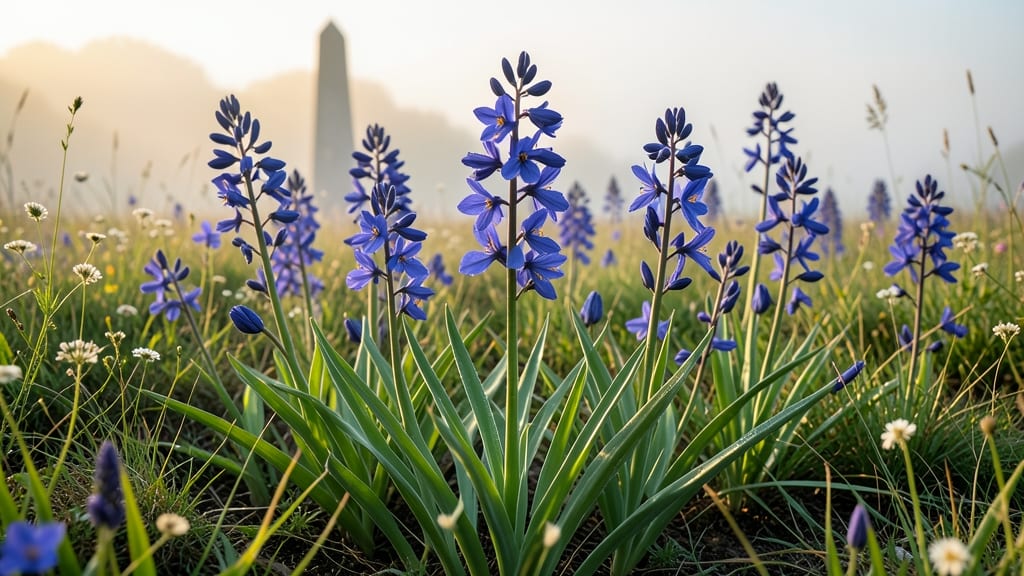
If you’re dreaming of a wildflower meadow that thrives without deer damage, camassia—or wild indigo—delivers dramatic blue spikes that deer instinctively avoid. Unlike smaller bulbs, camassia’s towering blooms (reaching 3–5 feet) create a striking focal point while their moisture-loving nature makes them ideal for rain gardens or alongside ponds.
These alkaloid-rich plants contain natural compounds that deter deer browsing, and their clumping habit spreads over time, forming lush colonies. Plant bulbs in fall at 6-inch depth in well-drained but consistently moist soil, and enjoy summer blooms that attract pollinators while keeping deer at bay. Perfect for naturalized areas, camassia thrives where other bulbs struggle.
Gardeners with large-scale plantings or wet soil conditions will love camassia’s low-maintenance charm—just ensure it gets full sun for best results. 🌻
Erythronium: Dogtooth Violet with Deer-Defying Leaves
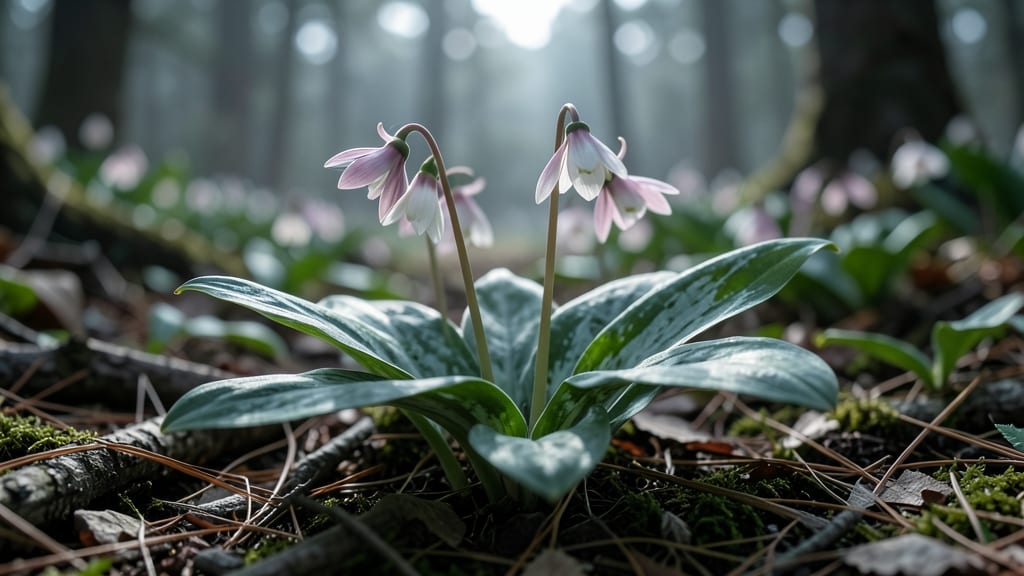
If you love woodland gardens but hate deer nibbling your plants, Erythronium (Dogtooth Violet) is your secret weapon. These delicate bloomers thrive in shade while their mottled, deer-deterring leaves and nodding flowers create a magical understory effect—without becoming a fawn's snack.
Plant the corms in well-draining soil with partial to full shade, mimicking their native forest floor. They bloom in early spring with white or pink flowers, followed by striking marbled foliage that lasts until summer. The mild toxins in their leaves make them unappealing to deer, while their low-maintenance nature makes them perfect for beginners or busy gardeners.
Perfect for shade gardens, woodland edges, or under trees, Erythronium adds texture and early-season color without the fuss. 🌷
Scilla: Squill Bulbs for Shade Gardens

If your garden is shaded and deer-resistant bulbs seem like a lost cause, Scilla (commonly called squill) is your secret weapon. These delicate, star-shaped blooms thrive in partial to full shade, where most deer lose interest in browsing—making them ideal for underplanting trees, shrubs, or even along fences.
Plant the bulbs in well-draining soil in early fall, about 3 inches deep and 3 inches apart. Their early spring blooms (February–April) appear before deer fully wake from hibernation, giving you a head start on color. Varieties like Scilla siberica and Scilla peruviana offer blue, white, or even pink flowers that add a whimsical touch to shady corners.
Perfect for beginners or urban gardeners with limited sun, Scilla requires almost no maintenance beyond occasional division every few years. Their deer-avoiding nature makes them a foolproof choice for problem areas. 💚