
Pests
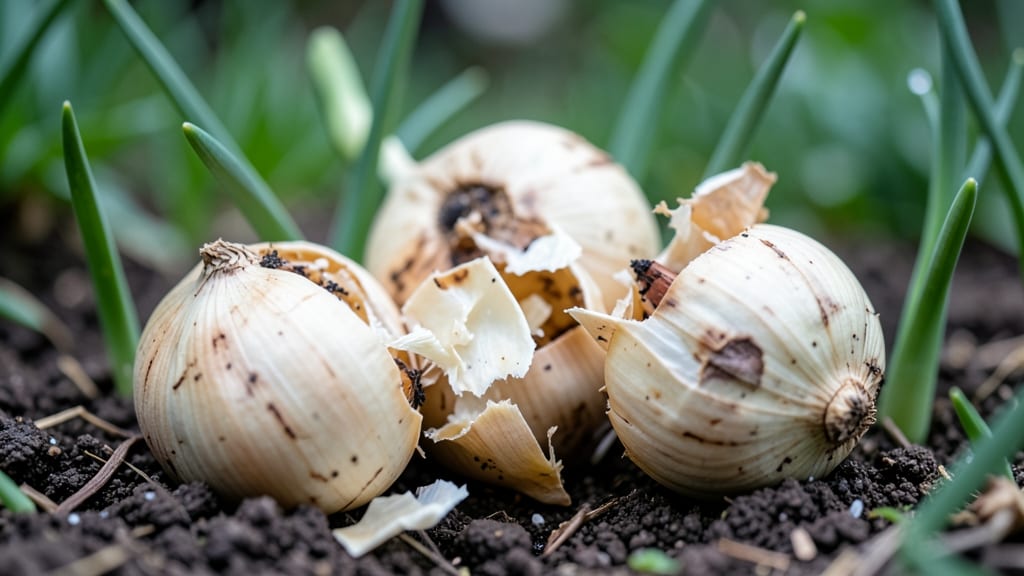
Yes, squirrels eat bulbs—especially tulips, daffodils, and crocuses—by digging them up to reach the starchy roots. Their relentless foraging can uproot entire garden beds, leaving behind hollowed soil and chewed foliage.
Squirrels have an incredible sense of smell that helps them sniff out hidden bulbs beneath the soil. 🌱 They particularly love varieties with high starch content, like tulips and daffodils, which provide quick energy for their active lifestyles.
The damage often goes unnoticed until spring, when gardeners discover missing bulbs or chewed stems. This behavior peaks during spring and early summer when squirrels are most active in search of food sources.
To protect your garden, consider using physical barriers like chicken wire or hardware cloth around planting areas. Planting bulbs deeper than 6 inches can also deter squirrels, as they prefer easier targets.
Another effective method is using repellents like hot pepper spray or castor oil, which create unpleasant scents without harming the plants or wildlife.
💡 In This Article
- Why Squirrels Target Garden Bulbs
- Effective Ways to Protect Bulbs from Squirrels
Why squirrels target garden bulbs
Squirrels locate bulbs primarily through their extraordinary sense of smell, which can detect buried food up to 6 inches below the surface. Their noses contain specialized receptors that pick up volatile organic compounds released by bulbs, especially those with high starch content like tulips and daffodils.
This is why these varieties are the most appealing—squirrels need quick energy to fuel their 30-50% daily caloric intake during spring and summer foraging seasons.
The digging behavior begins with squirrels using their front paws to scratch and probe the soil, often creating small mounds of displaced dirt.
Once they locate a bulb, they'll chew through the outer layers to access the fleshy root, which can provide 20-30% of their nutritional needs in a single meal. 🌱 Unlike seeds or nuts, bulbs offer immediate, concentrated energy without the need for processing.
This makes them a prime target during early spring when natural food sources are still scarce.
Timing is critical—squirrels are most active during dawn and dusk, when temperatures are cooler and predators are less active. Their foraging peaks in March through May, coinciding with bulb growth periods.
During this time, a single squirrel can dig up 50-100 bulbs in a season, leaving behind telltale signs like hollowed soil and chewed stems that gardeners often mistake for disease or poor planting.
Interestingly, squirrels also exhibit territorial behavior when it comes to bulbs. A dominant squirrel will often mark its foraging area by scratching the soil or leaving scent deposits, discouraging other squirrels from competing.
This territorial instinct means that once a squirrel finds a rich bulb bed, it will return repeatedly until the supply is exhausted.
Another factor is the bulb's natural sugars and moisture content, which make them irresistible to squirrels. For example, tulip bulbs contain about 15-20% starch, while daffodil bulbs have a slightly higher moisture content that squirrels find particularly appealing.
This chemical composition triggers their foraging instincts more strongly than less nutritious alternatives.
What most gardeners don't realize is that squirrels often cache uneaten portions of bulbs in hidden locations, creating a secondary food source that can sprout unexpectedly in other parts of the yard. This behavior explains why some gardeners suddenly find new "volunteer" plants popping up in unexpected places.