
Watering
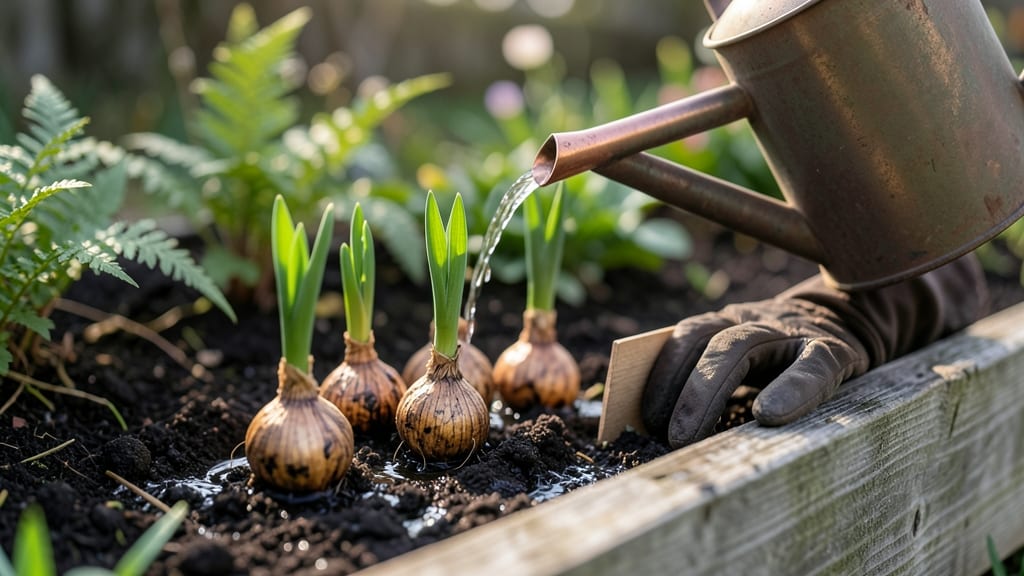
Watering tulip bulbs after planting is the key to strong root growth before winter sets in — too much or too little can ruin your spring blooms before they even emerge.
Picture this: you’ve just tucked your 🌷 tulip bulbs into the soil, dreaming of vibrant spring color, only to watch them rot or fail to sprout because of watering gone wrong.
The right balance keeps them hydrated without drowning their roots, and the timing matters just as much as the amount.
In Zone 6a, where many gardeners plant in fall, the first few weeks after planting are critical. Bulbs need just enough moisture to encourage roots but not so much that they suffocate.
I’ll break down exactly how often to water, how deep to go, and when to back off as winter approaches.
You’ll also discover how mulching can save you time, why drought-stressed bulbs might still bloom, and the one mistake that turns bulbs to mush—even in dry climates.
When and how often to water tulip bulbs immediately after planting
When you plant tulip bulbs, the first few weeks are critical for establishing strong roots before winter dormancy or spring growth. Unlike mature plants, newly planted bulbs need consistent moisture to encourage root development, but too much water can suffocate them.
The key is finding that sweet spot—keeping the soil evenly moist without creating soggy conditions that invite rot.
Most gardeners make the mistake of either overwatering (thinking bulbs need constant hydration) or underwatering (assuming they’re drought-tolerant like established perennials). In reality, tulip bulbs store their own moisture, but they still need help getting started.
The first 2-3 weeks post-planting are the most delicate phase, so let’s break down the exact schedule you should follow.
⚠️ Critical Watering Rule for Newly Planted Tulips
Do NOT water immediately after planting. Let the soil settle for 24-48 hours to prevent displacing bulbs. Then, water deeply but gently—aim for 1 inch of moisture in the top 6 inches of soil. Overwatering now causes bulb rot, while underwatering starves roots before they form.
For fall-planted bulbs (the ideal time in most climates), your goal is to water enough to help roots establish before the ground freezes. A deep watering every 7-10 days is perfect—think of it as giving them a drink that soaks down to 8-10 inches deep.
Use your finger to check: if the top 2 inches of soil feel dry, it’s time to water again.
If you’re planting in spring (less common but sometimes necessary), the stakes are even higher. Spring-planted bulbs need immediate moisture to compensate for warmer, drier soil. Water every 5-7 days until shoots emerge, then taper off to weekly deep waterings once growth starts.
Spring bulbs are more vulnerable to drying out because they haven’t had time to develop roots.
One of the biggest mistakes I see is watering on a schedule without checking soil conditions. Rainfall can throw off your plan—always adjust based on actual moisture levels. For example, if you get 1 inch of rain, skip your watering day.
Use a moisture meter or the finger test for accuracy. Pro tip: Water in the early morning to reduce evaporation and fungal risks.
Seasonal adjustments matter too. In cooler climates (USDA Zones 3-5), fall watering should stop once the ground freezes, but in milder zones (6-8), you might need light watering through winter if rainfall is scarce.
The rule of thumb: never let the soil dry out completely during root establishment, but never leave it soggy.
Mulching can help regulate moisture, but choose the right type. A 2-inch layer of straw or shredded leaves insulates bulbs in winter and retains moisture in spring. Avoid thick mulch piles, which can smother bulbs or trap too much moisture.
In dry climates, a light mulch of gravel or bark helps prevent soil from drying out too quickly.
Watch for signs of stress in the first few weeks. Wilted leaves before sprouting mean underwatering, while yellowing or mushy bulbs signal overwatering. If you notice mold or slimy soil around bulbs, reduce watering immediately and improve drainage. Tulips hate "wet feet"—their bulbs need air to breathe.
Remember, the first 3 weeks post-planting are about root growth, not flower production. Once roots establish (usually by late fall or early spring), your watering needs will shift.
But for now, focus on consistent, deep moisture—not enough to drown them, but enough to give them a strong start. Your future spring blooms depend on it!
Long-term watering needs for established tulip bulbs vs. newly planted ones
Once your tulip bulbs are planted, their watering needs shift dramatically between the root development phase and established maturity. Newly planted bulbs need consistent moisture to encourage root growth, while established bulbs become surprisingly drought-tolerant once dormant.
Understanding these differences prevents both rot and dehydration, ensuring vibrant blooms next spring.
For the first 4-6 weeks after planting, focus on keeping soil moist but not soggy. This critical period encourages root establishment—without it, bulbs struggle to anchor and absorb nutrients. After this window, watering demands drop significantly, especially as bulbs enter dormancy in late summer.
| Stage | Watering Frequency | Soil Moisture Goal | Key Tip |
|---|---|---|---|
| Newly Planted (Weeks 1-6) | Weekly (deep soak) | Moist, 1-2 inches deep | Use drip irrigation to avoid bulb rot |
| Established (Spring Growth) | Bi-weekly (after shoots appear) | Moderate, top 3 inches dry | Mulch with straw to retain moisture |
| Dormancy (Summer-Fall) | Monthly (light water) | Dry soil, minimal moisture | No watering if rainfall exceeds 1 inch/month |
After the initial rooting phase, established tulip bulbs prioritize drought tolerance over consistent moisture. Once blooming ends, reduce watering to once monthly or skip entirely if rainfall exceeds 1 inch/month. This mimics their natural cycle in temperate climates, where bulbs store energy for next year's growth.
Mulching plays a dual role: in spring, it retains moisture for emerging shoots, while in summer, it protects bulbs from heat stress. Use organic mulch like straw or shredded leaves—avoid thick layers that suffocate bulbs.
For dry climates, apply mulch 2-3 inches deep; in wetter regions, keep it to 1 inch to prevent rot.
Most gardeners overlook the dormancy phase, assuming bulbs need winter water. In reality, excess moisture during dormancy triggers rot. If your region experiences freezing temperatures, water only when soil is completely dry—this prevents ice formation around bulbs, which can cause irreversible damage.
To test soil moisture, stick your finger 2 inches deep—if dry, water lightly. For container-grown tulips, check weekly, as pots dry out faster. Adjust your schedule based on rainfall patterns and seasonal shifts, and your bulbs will reward you with healthier foliage and bigger blooms next spring.