
Advice
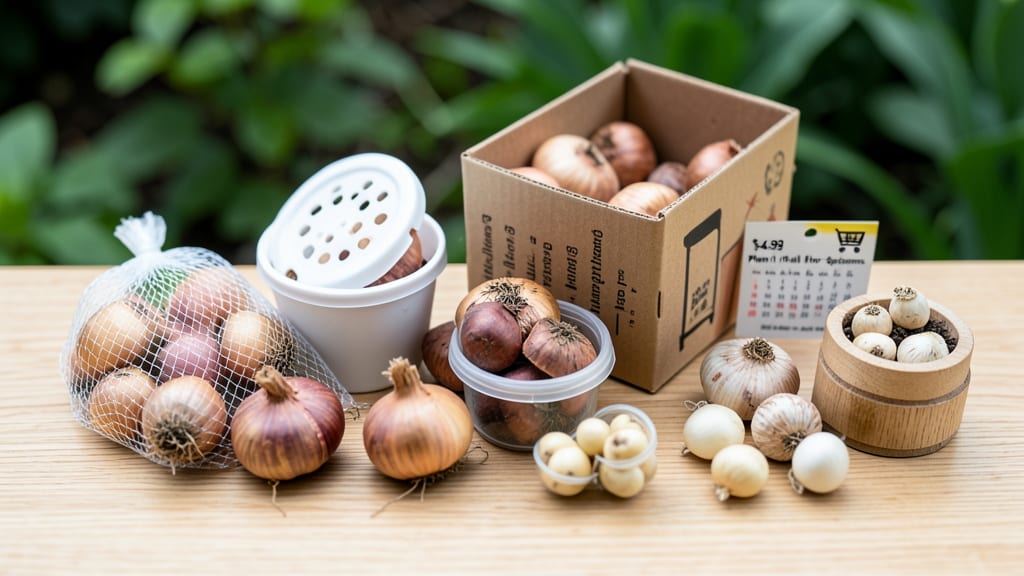
Buying Dutch bulbs online gives you premium-quality, pre-sorted flower bulbs grown in the Netherlands, but your success depends on choosing verified sellers with temperature-controlled shipping and clear storage guidelines.
When you order Dutch bulbs online, you're tapping into the world's largest flower bulb market, where growers follow strict quality controls. 🌷 The Netherlands' climate and expertise create bulbs that bloom earlier, last longer, and resist common diseases better than many alternatives.
I've found that the best online sellers—like those certified by Royal FloraHolland—offer bulbs graded by size and condition, so you're not gambling on what you'll get in your package. Plus, their shipping systems keep bulbs cool and dormant during transit, which is critical for spring planting success.
What sets apart reliable sellers is their attention to detail in storage instructions. Many include charts showing when to plant based on your hardiness zone, which saves new gardeners from common mistakes.
I always check for temperature-controlled shipping options and avoid deals that seem too good to be true—those often mean lower-quality stock or improper handling. The right seller will also provide planting depth guidelines and soil prep tips, making your bulbs more likely to thrive.
💡 In This Article
- Why Dutch Bulbs Are a Gardener’s Premium Choice
- How to Spot Trusted Dutch Bulb Online Retailers
Why Dutch bulbs are a gardener’s premium choice
Dutch bulbs get their reputation from the Netherlands' perfect growing conditions—cool summers, mild winters, and rich peat soils. These factors create bulbs with thicker cell walls and higher starch reserves, which translates to earlier blooms and longer vase life compared to bulbs grown elsewhere.
For example, Dutch tulips often bloom 2-3 weeks earlier than those from other regions because their dormancy period is more precisely controlled through the Netherlands' climate management systems.
The quality control starts with pre-grading by size and condition. Reputable Dutch growers sort bulbs into categories like "extra," "first," or "second" based on diameter and disease resistance.
A 10cm (4-inch) tulip bulb from the Netherlands might cost more upfront but will produce 3-5 stems compared to just 1-2 from an ungraded bulb. The Dutch also enforce strict disease-free certification, which means you're less likely to encounter mold or rot that can ruin entire batches.
This precision extends to hardiness. Dutch bulbs undergo cold stratification during storage, mimicking winter conditions to ensure they'll survive planting in zones 3-9. I've noticed that Dutch daffodils, for instance, often emerge through snow in early spring when other varieties remain dormant.
The secret lies in their balanced moisture content—typically 15-20% by weight—which prevents both dehydration and rotting during shipping and storage.
What sets Dutch bulbs apart visually is their uniformity. When you order a packet of Dutch hyacinths, you'll get bulbs that all produce similar-sized blooms with consistent colors, unlike mixed batches from other sources. This consistency comes from selective breeding programs that Dutch growers have perfected over centuries.
For example, the Queen of Night tulip cultivar from the Netherlands produces deep purple blooms with nearly identical coloring across every bulb.
Here's what most gardeners don't realize: Dutch bulbs are pre-treated to prevent premature sprouting. Many arrive with a powdery residue (usually sulfur or fungicide) that protects them during transit. While this might look unappealing, it's actually a sign of quality—lower-grade bulbs often skip this step.
The treatment also explains why Dutch bulbs can sit in your basement for 2-3 months before planting without sprouting, unlike some generic bulbs that might shoot prematurely.
For the best results, look for bulbs with firm, dry skins and no soft spots. The papery outer layer should feel paper-thin but intact, not cracked or torn. When you cut one open, you'll see compact, cream-colored flesh—a sign of proper storage.
This attention to detail is why Dutch bulbs consistently outperform alternatives in garden trials, often achieving 90%+ bloom rates compared to 50-70% for uncertified bulbs.