
Planting
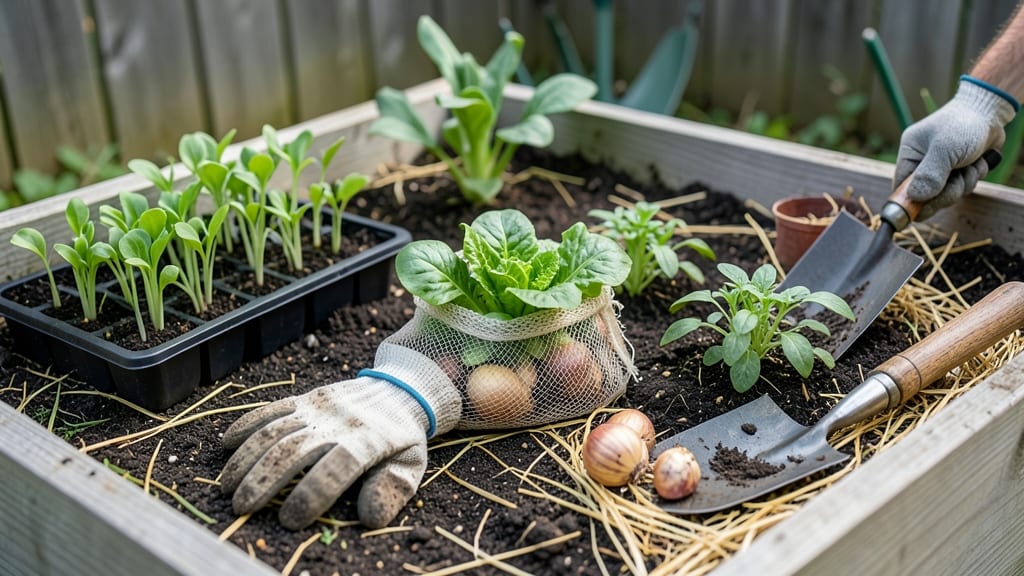
Gardeners can start planting seeds and bulbs now in most USDA Hardiness Zones 3-10, with cool-season crops like lettuce and pansies thriving in early spring. Warm-season varieties (tomatoes, peppers) should wait until after the last frost date, while spring-blooming bulbs like tulips and daffodils can go in the ground now or in fall, depending on your region.
Now's the perfect time to get your garden started—especially in cooler climates where early spring conditions are ideal for cold-hardy plants. 🌱 The key is matching your planting schedule to your hardiness zone: Zone 3 gardeners can plant hardy greens like kale, while Zone 9 might still need to wait for soil temperatures to warm.
For bulbs, timing varies—spring-blooming varieties like crocuses can handle early planting, while summer-blooming dahlias prefer warmer soil. I always check my local frost dates and soil thermometer readings to avoid planting too soon, which can lead to rot or stunted growth.
Pro tip: Prepare your planting areas by adding compost to improve drainage and fertility. For seeds, start with fast-growing varieties like radishes to mark your rows, then follow with slower crops. Bulbs should go in at least twice as deep as their diameter, with the pointed end facing up.
The earlier you plant, the sooner you'll enjoy fresh harvests or vibrant blooms—just be ready to protect tender plants if an unexpected frost hits!
💡 In This Article
- Understanding Hardiness Zones for Seed and Bulb Planting
- Step-by-Step Guide to Early Season Planting Success
Understanding hardiness zones for seed and bulb planting
Your local hardiness zone—determined by the USDA's 11-zone system—is the single most important factor in deciding when to plant seeds and bulbs. These zones map average minimum winter temperatures, which directly influence when soil thaws and when plants can safely grow.
For example, in Zone 3 (think Minneapolis or Billings), gardeners can start planting cold-hardy seeds like peas or spinach as early as late March, while Zone 9 (like Los Angeles) might not see safe planting conditions until February or March.
The rule of thumb is that each zone transition represents about a 10°F difference in winter lows—meaning Zone 5 gardeners have roughly 2-3 weeks earlier planting windows than Zone 7 neighbors.
Frost dates create another critical boundary. Most cool-season crops (like lettuce or broccoli) can handle light frosts, but their seeds need soil temperatures between 40-50°F to germinate properly. Warm-season seeds (tomatoes, peppers) won't germinate until soil reaches 60-70°F, which typically happens after your last average frost date.
Bulbs add another layer: spring-blooming varieties like tulips should go in the ground 4-6 weeks before your first hard frost, while summer-blooming dahlias prefer warmer soil (60°F+) and are better planted in early spring or late fall.
In Zone 5, that means tulips go in October-November, while in Zone 9, you can plant them as late as January.
The science behind this involves plant physiology. Seeds and bulbs enter dormancy to survive winter, and their dormancy breaks when exposed to specific temperature cues. For example, many spring bulbs require a period of cold (40°F for 12-16 weeks) to trigger flowering—a process called vernalization.
Planting too early in warm zones can prevent bulbs from getting this cold signal, resulting in poor blooms. Meanwhile, seeds rely on soil microbes and moisture to activate their germination process, which stalls below 40°F in most cases.
That's why even in mild climates, early spring planting requires careful soil temperature monitoring.
Here's what most gardeners don't realize: Your microclimate matters just as much as your zone number. A south-facing slope warms up faster than a north-facing area, while urban heat islands can create 5-10°F warmer soil conditions than surrounding rural areas.
I always test my soil with a simple thermometer before planting—if it's consistently 10°F colder than my zone's average, I wait. For bulbs, I dig a small trench to check moisture levels too; soggy soil can rot bulbs before they even sprout.
The goal is to give your plants the best possible start by matching their needs with your local conditions.
Let's compare two common scenarios: planting lettuce in Zone 5 versus Zone 9. In Zone 5, gardeners can direct-sow lettuce seeds as early as late March, when soil temps reach 45°F and last frost is still 4-6 weeks away.
The seeds germinate in 7-14 days, and young plants can handle light frosts down to 25°F. In Zone 9, however, the same lettuce seeds won't germinate until February-March, when soil finally warms to 50°F+.
The key difference? Zone 5 gardeners use row covers to protect early plantings, while Zone 9 gardeners focus on shade cloth to prevent bolting (going to seed) from warm daytime temperatures.
For bulbs, the timing difference between zones creates dramatic variations in bloom cycles. In Zone 3, tulips planted in October will bloom in late May-early June, while in Zone 9, those same bulbs planted in January might not bloom until March-April.
The secret lies in matching bulb types to your zone: Zone 5 gardeners excel with hardy varieties like Daffodils (which bloom early and tolerate cold), while Zone 9 gardeners often choose Tropical Water Lilies that thrive in warmer water temperatures.
Always check a bulb's hardiness rating—it's usually listed alongside its bloom time.
Remember this golden rule: When in doubt, plant bulbs too early rather than too late. They'll simply sit dormant until conditions improve, while planting too late can prevent them from establishing strong roots before winter.
For seeds, the opposite is true—better to wait until soil warms rather than risking rot from cold, wet conditions. 🌱 The best gardeners I know keep a planting journal to track their local patterns, adjusting each year based on actual frost dates rather than averages.
Start with reliable varieties suited to your zone, and don't hesitate to ask your local nursery for their recommendations—they've seen what works (and what doesn't) in your specific climate!