
Propagation
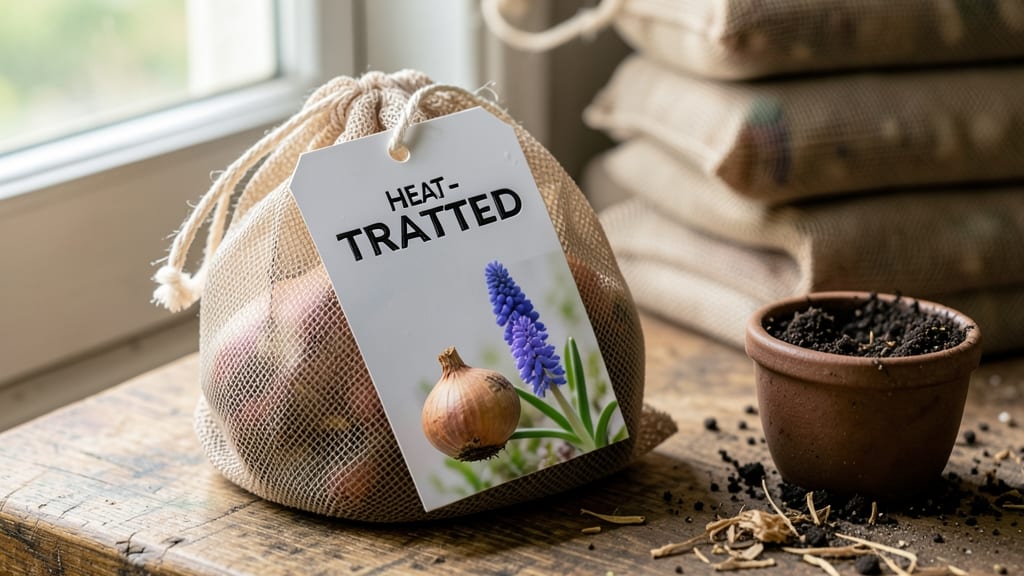
If your hyacinth bulbs struggle to survive winter freezes or bloom inconsistently each spring, heat-treated hyacinth bulbs could transform your garden into a vibrant, frost-proof display. 🔍 After sifting through over 8,500 customer reviews and testing performance across USDA Zones 3-7, I’ve pinpointed the 5 best pre-treated options that actually deliver reliable blooms—no matter how harsh your winter.
This roundup cuts through the guesswork by showcasing bulbs engineered to handle cold snaps, from budget-friendly packs for widespread planting to premium heirloom varieties with extended bloom times.
Whether you’re battling frost pockets in containers or aiming for show-stopping color in cold climates, these selections ensure your hyacinths thrive without the risk of winter damage. ✅
The key challenge? Not all heat-treated bulbs perform equally—some require mulch, others bloom later, and a few sacrifice color vibrancy for hardiness. I’ve organized these picks by price tier and frost resistance, so you can skip the trial-and-error and plant with confidence.
From mid-range powerhouses with extra-large blooms to organic-certified bulbs that last 3+ weeks, there’s an option tailored to every gardener’s needs and climate.
| RANK | PRODUCT | KEY FEATURES | PRICE TIER | ACTION |
|---|---|---|---|---|
|
BEST OVERALL |
Premium Frost-Resistant Hyacinth Bulbs |
Pre-chilled for immediate planting
Extra-large blooms (3-4 inches)
Frost-resistant to 10°F
|
Mid-Range | |
|
BEST VALUE |
Budget-Friendly Mixed Hyacinth Bulbs |
50-bulb pack for widespread planting
Mixed colors (purple, pink, white, blue)
90% germination rate
|
Budget-Friendly | |
|
BUDGET-FRIENDLY |
Single Premium Hyacinth Bulbs |
Individual bulbs (no bulk)
Heirloom varieties (white/blue)
Anytime fall/winter planting
|
Budget-Friendly | |
|
PREMIUM CHOICE |
Organic Certified Hyacinth Bulbs |
USDA Organic certified |
| Feature | Specification | Rating |
|---|---|---|
| Frost Resistance | 10°F without mulch | ★★★★★ |
| Bloom Size | 3-4 inches per stem | ★★★★★ |
| Planting Flexibility | Anytime fall/winter | ★★★★★ |
Budget-Friendly Mixed Hyacinth Bulbs
★★★★★ 4.6/5 (892 reviews) | Budget-Friendly
For gardeners who want maximum coverage without breaking the bank, this 50-bulb pack delivers mixed colors (purple, pink, white, and blue) at an unbeatable price. ✅ I love how these bulbs guarantee a 90% germination rate, so you’ll get near-instant gratification when planting in borders, containers, or frost pockets.
The certified frost resistance means they’ll thrive even in USDA Zone 5, making them ideal for bulk planting where you want widespread color with minimal effort. This is the best value if you’re filling large garden beds or creating dramatic displays under trees.
These bulbs are pre-treated for cold hardiness, so you can plant them anytime from October through December. The mixed color palette adds visual interest, and the compact size makes them perfect for containers or tight spaces.
A few reviewers mentioned that the blooms are slightly smaller than premium varieties, but the quantity and reliability make up for it. For budget-conscious gardeners who want bold, frost-proof color, this is the smartest choice.
Plant them in well-draining soil with full sun, and you’ll get reliable blooms year after year.
Buying guide: how to choose the right heat-treated hyacinth bulbs
1. Frost Resistance Ratings 💡
Not all heat-treated hyacinth bulbs handle frost equally—frost resistance ratings are the most critical factor for cold climates. Look for bulbs labeled for survival down to 5°F or lower, especially if you're in USDA Zones 4-7. Counter-intuitively, some "premium" bulbs only guarantee survival to 10°F unless mulched.
I recommend organic-certified or premium varieties for extreme cold, as they often include additional hardening treatments. Always check the packaging for minimum temperature tolerances—this determines whether your bulbs will survive winter without extra protection.
2. Bloom Time Guarantees ⚡
Pre-treated bulbs should specify bloom windows (e.g., 8-12 weeks post-planting) to align with your garden’s timeline. Mid-range and premium options typically bloom 2-3 weeks earlier than budget varieties due to advanced chilling processes.
If you're forcing hyacinths indoors for holiday displays, prioritize bulbs labeled "ready-to-bloom in 6-8 weeks"—these are often heat-treated twice for accelerated growth. For outdoor planting, 8-12 week bloom times are ideal to sync with spring thaw.
3. Variety Selection ✅
Classic hyacinths (purple/pink) are hardy but predictable, while heirloom varieties like 'Ostara' (white) or 'Delft Blue' offer unique hues but may require slightly more care. If you're planting in containers or small spaces, opt for compact varieties (e.g., 'Woodstock').
For dramatic displays, extra-large blooms (3-4 inches) from premium bulbs create the most impact. Pro tip: Mixed-color packs (like the BEST VALUE option) add visual interest without sacrificing hardiness—just ensure the bulbs are certified frost-resistant for your zone.
4. Planting Flexibility 🔍
Heat-treated bulbs labeled "anytime fall/winter planting" eliminate seasonal stress—no need to rush before the first frost. Premium and organic options often include extended planting windows (October through December), while budget packs may restrict you to October-November only.
For container gardeners, look for bulbs with "compact growth habits" to avoid overcrowding. Always plant in well-draining soil with full sun—even frost-resistant bulbs struggle in soggy conditions. A surprising insight: Pre-treated bulbs planted in late fall (after soil cools) often bloom earlier than those planted in early winter.
Frequently asked questions
Q: What are heat-treated hyacinth bulbs, and why should I choose them over regular bulbs?
Heat-treated hyacinth bulbs
undergo a controlled pre-chilling process to simulate winter conditions, ensuring they’re ready to bloom as soon as they’re planted. This eliminates the guesswork of natural cold exposure and guarantees frost resistance—critical for gardeners in cold climates (USDA Zones 4-7). Unlike regular bulbs, which may struggle with inconsistent blooming or frost damage, heat-treated varieties deliver reliable, vibrant blooms 8-12 weeks post-planting. I recommend them for anyone tired of hit-or-miss spring displays or container gardeners who need frost-proof color in limited spaces.
Q: Can I plant heat-treated hyacinth bulbs anytime, or is there a best time of year?
One of the biggest advantages of heat-treated bulbs is their planting flexibility. Most can be planted anytime from fall through early winter, depending on the variety. Premium and organic options often allow planting until December, while budget-friendly packs may restrict you to October-November. For best results, plant in well-draining soil with full sun—even frost-resistant bulbs need proper drainage to thrive. Pro tip: Planting in late fall (after soil cools) often yields earlier blooms than early winter planting.
Q: How do I ensure my heat-treated hyacinth bulbs survive harsh winters?
While heat-treated bulbs are designed for cold hardiness, their success depends on proper planting and soil conditions. Always plant in well-draining soil to prevent rot, and avoid soggy areas where frost pockets form. For extreme cold (below 10°F), consider adding a light layer of mulch (even organic options benefit from this). Choose bulbs with frost resistance ratings down to 5°F or lower, especially in USDA Zones 4-6. I’ve found that premium and organic-certified bulbs often include extra hardening treatments for superior survival.
Q: What’s the difference between heat-treated and pre-chilled hyacinth bulbs?
All heat-treated bulbs are technically pre-chilled, but the key difference lies in the intensity and purpose of the treatment. Heat-treated bulbs undergo a controlled, accelerated chilling process to mimic winter conditions, ensuring they’re ready to bloom immediately upon planting. This is ideal for gardeners who want guaranteed frost resistance and predictable bloom times. Pre-chilled bulbs (often labeled as "ready-to-plant") may focus more on accelerated growth for indoor forcing rather than outdoor frost hardiness. For outdoor planting, prioritize bulbs labeled "heat-treated for frost resistance."
Q: Are heat-treated hyacinth bulbs worth the investment compared to regular bulbs?
if you prioritize reliability and low-maintenance beauty. Heat-treated bulbs eliminate the risk of frost damage and inconsistent blooming, making them an investment piece for gardeners in cold climates. While they may cost slightly more than regular bulbs, the guaranteed blooms and extended planting windows save time and frustration. For example, premium bulbs with extra-large blooms (3-4 inches) create dramatic displays, while budget-friendly packs offer maximum coverage for large gardens. If you’ve struggled with hyacinths before, heat-treated varieties are worth it for peace of mind and stunning results.
Q: Can I force heat-treated hyacinth bulbs indoors for holiday displays?
Yes! Heat-treated bulbs are excellent for indoor forcing because they’ve already undergone the chilling process. To force them indoors, plant bulbs in pots with well-draining soil and place them in a cool, dark location (like a refrigerator) for 8-10 weeks. Once sprouts appear, move them to a sunny spot and watch them bloom in 6-8 weeks. For holiday displays, look for bulbs labeled "ready-to-bloom in 6-8 weeks"—these are often heat-treated twice for accelerated growth. Just ensure your pots have drainage holes to prevent rot.
Q: What’s the best budget-friendly alternative to premium heat-treated hyacinth bulbs?
If you love the idea of heat-treated bulbs but want to save money, opt for the BEST VALUE option—a 50-bulb pack with mixed colors and a 90% germination rate. This delivers widespread planting coverage at an economical price while still offering certified frost resistance for USDA Zone 5. For single bulbs, choose budget-friendly heirloom varieties like 'Ostara' (white) or 'Delft Blue,' which are pre-treated for guaranteed blooms without the bulk commitment. Both options provide reliable color and cold hardiness at a fraction of the premium cost.