
How To
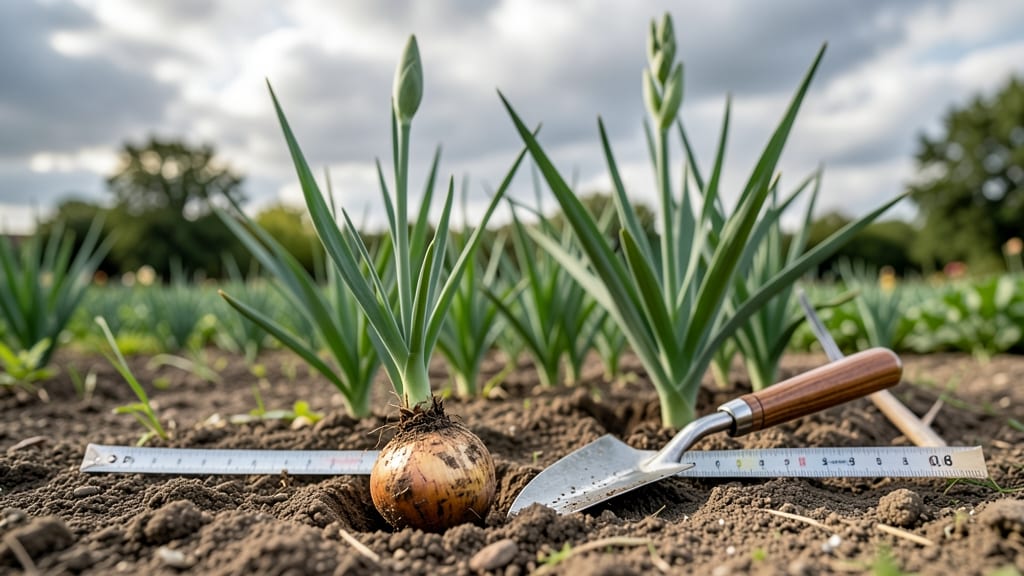
Planting glad bulbs at the right depth is the key to vibrant blooms 🌸 — too shallow, and they flop; too deep, and they rot before they even sprout.
You’ve probably dug in a bulb, patted the soil back, and crossed your fingers—only to watch nothing emerge. That’s the classic sign of a depth mistake, and it’s easier to fix than you think.
In this guide, I’ll break down the exact planting depth for gladiolus corms, how soil type affects the rule, and the 3 common mistakes that sabotage even the best-intentioned gardeners.
By the end, you’ll know not just how deep to plant, but when, where, and how to care for them so your spring displays are the envy of the neighborhood.
Exact planting depth for glad bulbs by type and size
Planting glad bulbs—especially gladiolus—at the correct depth is the secret to strong root systems and stunning blooms. Unlike shallow-rooted annuals, these bulbs need specific depth based on their size and type to thrive.
Too shallow, and they’ll rot; too deep, and they may never sprout. Let’s break down the science-backed rules for perfect planting depth by bulb variety and soil conditions.
Most gardeners assume "plant twice as deep as the bulb’s height" works for everything, but glad bulbs (gladiolus corms) are an exception. Their unique structure demands 6 inches deep for standard-sized corms, with adjustments for smaller or larger varieties.
Soil type also plays a critical role—sandy soil may need slight depth increases, while clay-heavy soil might require shallower planting to prevent waterlogging.
| Bulb Type | Size Range | Recommended Depth | Soil Adjustments | Notes |
|---|---|---|---|---|
| Gladiolus (Standard) | 2-3 inches diameter | 6 inches deep | +1 inch for sand, -1 inch for clay | Pointy end up, flat side down |
| Dwarf Gladiolus | 1-2 inches diameter | 4-5 inches deep | No adjustment needed | Ideal for containers |
| Large Gladiolus | 3+ inches diameter | 7-8 inches deep | +1.5 inches for sand | Needs sturdier stems |
| Tulips/Daffodils | 1-2 inches diameter | 6-8 inches deep | +1 inch for sand | Plant pointy end up |
| Hyacinths | 1.5-2 inches diameter | 5-6 inches deep | -1 inch for clay | Fragrant blooms thrive here |
For gladiolus corms, the pointy end must always face upward—this is where the shoot emerges. If you plant with the flat side up, you’ll waste time waiting for sprouts that never come.
Use a trowel to dig holes just wide enough to fit the corm snugly; packing soil around it prevents air pockets that can rot the bulb.
Soil type dramatically alters depth needs. In sandy soil, which drains too quickly, increase depth by 1 inch to retain moisture near the roots. Conversely, clay-heavy soil holds excess water, so reduce depth by 1 inch to avoid suffocating the corm.
Always loosen the soil 12 inches deep before planting to encourage root penetration.
One common mistake is assuming all bulbs follow the same rules. For example, daffodils and tulips (also glad bulbs) need 6-8 inches deep, while hyacinths prefer 5-6 inches. Mixing these up can lead to weak stems or failed blooms.
When in doubt, use the "finger rule": Insert your finger into the soil beside the bulb—it should reach the base of the bulb’s top.
After planting, water thoroughly to settle the soil and eliminate air gaps. Mulch with 2-3 inches of organic matter (like straw or shredded leaves) to regulate soil temperature and retain moisture.
This step is especially critical in hot climates, where shallow soil can dry out too quickly and stress the bulbs.
For container gardening, adjust depths slightly: 4-5 inches for dwarf gladiolus in pots ensures drainage while accommodating root growth. Use a well-draining mix with perlite or vermiculite to prevent waterlogging. Containers also allow you to monitor soil moisture more easily, reducing the risk of over- or under-watering.
Seasonal timing matters too. Plant gladiolus corms in spring (after last frost) or early fall in mild climates. If planting in fall, aim for 6-8 weeks before frost to let roots establish before winter. In hot zones, fall planting gives bulbs time to root before summer heat arrives.
Finally,
Common mistakes that kill glad bulbs (and how to fix them)
Even experienced gardeners sometimes struggle with glad bulbs like tulips or daffodils failing to bloom. The most common culprit? Wrong planting depth. Too shallow, and your bulbs won’t anchor properly. Too deep, and they’ll rot before sprouting. Let’s fix this once and for all with science-backed solutions.
I’ve seen rotting bulbs firsthand when planted too deep in heavy clay soil. The roots suffocate, and by spring, you’re left with nothing but empty holes. On the flip side, bulbs planted too shallow often dry out or get blown away by wind, leaving you wondering why they never emerged.
Here’s the golden rule: Plant glad bulbs at a depth equal to 2-3 times their height. For example, a 2-inch bulb should go 4-6 inches deep.
This ensures roots have room to grow while keeping the bulb stable. But there’s more to it than just depth—let’s troubleshoot the most common issues.
⚠️ Wrong Depth = Dead Bulbs
The #1 mistake is planting glad bulbs at the wrong depth. Use this quick guide to check:
- Too shallow: Bulbs may sprout but flop over or dry out. Fix: Replant deeper immediately.
- Too deep: Roots suffocate, causing rot. Fix: Dig up and replant at 2-3x bulb height.
🌱 Pro Tip: Use a ruler or stick to mark depth after planting—no guesswork!
If your glad bulbs refuse to sprout, check for these red flags: soft bulbs or mushy roots mean they’ve rotted from overwatering or poor drainage. In this case, dig up the bulbs, trim any rotten parts, and replant them at the correct 4-6 inch depth in well-draining soil.
Another common issue is bulbs sprouting but no blooms. This often happens when bulbs get too much nitrogen early in the season, encouraging leaf growth over flowers. Solution? Use a balanced fertilizer (10-10-10) sparingly—just a tablespoon per plant in spring—and avoid heavy feeding until you see flower stalks forming.
Finally, wind or animals can unearth shallowly planted bulbs. To prevent this, mulch with 2-3 inches of straw or pine needles after planting. This also helps regulate soil temperature, keeping bulbs happy until spring.
With these fixes, your glad bulbs will thrive and reward you with stunning blooms year after year.