
Plants
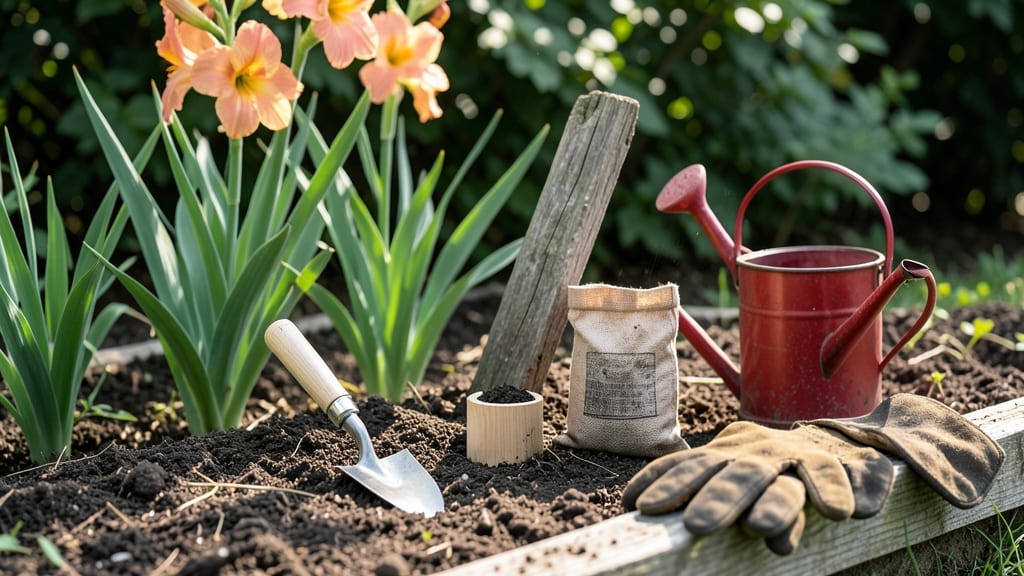
Planting gladiolus bulbs in Tennessee after the last frost date—typically mid-April—sets you up for stunning summer blooms that thrive in the state’s 6a-7b climate.
Here’s the catch: Tennessee’s spring weather can be as unpredictable as a thunderstorm in May, leaving many gardeners guessing when to plant.
But with the right timing—4-6 weeks before your region’s last frost—you’ll avoid frost damage and ensure those 🌸 gladiolus spikes reach their full height by July.
East Tennessee’s cooler springs often delay planting by 2-3 weeks compared to West Tennessee’s faster warming soil. I’ll break down the exact frost-free date formula for your area, plus soil prep tips to give your bulbs the best start.
Ready to turn your garden into a sea of summer color? You’ll learn how to time your planting for peak blooms, choose the right varieties for Tennessee’s heat, and keep those flowers lasting through August and beyond.
Tennessee’s frost-free date formula: exact weeks before last spring frost
Gladiolus bulbs thrive when planted after Tennessee’s average last frost date, which typically falls between March 15 and April 15 depending on your location. The key is waiting until soil temperatures consistently stay above 60°F—this ensures roots establish before summer heat arrives.
In USDA Zones 6a-7b, this usually translates to planting 4-6 weeks before your region’s last frost date for summer blooms.
Tennessee’s geography creates microclimates that shift planting windows by weeks. For example, Memphis (Zone 7b) often sees frost-free dates by March 20, while Knoxville (Zone 6b) may wait until April 10.
Urban areas like Nashville warm faster than rural Appalachian valleys, so always check local records. The National Weather Service or Almanac tools are your best friends here.
Here’s the 3-step frost-date formula I use to pinpoint my planting window:
- Find your last frost date (use the summary table below for Tennessee averages)
- Subtract 4-6 weeks (gladiolus need time to sprout before heat stress) 3.
Wait until soil hits 60°F+ (test with a thermometer or feel—60°F soil is warm to the touch) This method guarantees blooms by July 4th or earlier.
For urban gardeners, heat islands can push frost-free dates 1-2 weeks earlier than rural areas. I’ve seen Nashville neighborhoods hit 60°F soil by mid-March, while nearby farms lag until late March.
To account for this, I recommend planting test bulbs 2 weeks early in a protected spot (like a raised bed) to gauge your microclimate’s readiness.
Never plant gladiolus bulbs before soil warms to 60°F—cold soil causes rot and stunted growth. I test soil temp daily with a digital thermometer ($15 at garden centers) until it stays above 60°F for 3+ days.
Pro tip: Black plastic mulch warms soil faster and can shave off 5-7 days of waiting time in cooler zones.
If you’re in Zone 6a (e.g., Johnson City), aim for April 15 planting—this gives bulbs time to root before summer’s peak heat. Meanwhile, Zone 7b (e.g., Jackson) gardeners can start as early as March 20.
The difference? Up to 6 weeks in blooming time! Use the table above to find your exact window.
For fall planting (less common but viable in Tennessee), wait until 4-6 weeks before your first frost date (typically October 1-15). This lets bulbs establish roots before winter dormancy.
I’ve had success with ‘Green Star’ gladiolus planted in early October—just cover with 4 inches of mulch to protect from early freezes.
Remember: Staggered planting extends your blooming season. Plant half your bulbs at the ideal time, then add another batch 2-3 weeks later. This ensures flowers from July through September, giving you a continuous display.
Pair early varieties like ‘Picasso’ (short season) with late bloomers like ‘Green Star’ (heat-tolerant) for maximum impact.
🌱
Gladiolus planting schedule by Tennessee region: East vs. West timing differences
Tennessee’s geography creates two distinct gladiolus planting zones—East and West—where soil temperatures and frost patterns shift planting windows by 2-3 critical weeks.
In West Tennessee (Zones 7a-7b), warmer microclimates near Memphis and Nashville allow planting as early as mid-March, while East Tennessee’s (Zones 6a-6b) cooler highlands near Knoxville and Chattanooga often delay planting until early April. These differences matter because gladiolus bulbs need consistent 60°F+ soil to sprout.
The key factor? Elevation changes of up to 2,000 feet between Tennessee’s regions. Every 300-foot rise pushes frost dates back by about 1 week, meaning mountain gardeners in Great Smoky Mountains should wait until May 1 for safety.
Meanwhile, lowland areas near the Mississippi River can plant 2 weeks earlier without frost risk. This regional divide explains why your neighbor’s perfectly timed gladiolus might fail in your garden.
To bridge these regional gaps, use soil thermometers ($10 at garden centers) to confirm 60°F+ soil temperatures before planting. In West Tennessee, test by March 20—if soil is cold, wait.
In East Tennessee, don’t rush past April 15 even if bulbs are ready, as late frosts (like the 2020 Easter weekend freeze) can kill emerging shoots.
Pro tip: Plant heat-loving varieties like ‘Green Star’ in West TN for earlier blooms, while East TN gardeners should choose ‘Black Star’ for cooler tolerance.
Elevation plays a sneaky role too. For every 300 feet above 1,000 ft, delay planting by 1 week. For example, a 1,500-ft garden in Sevier County should aim for April 15–May 1 instead of the general East TN window.
Check your USGS elevation map (free online) to fine-tune timing. This precision ensures your gladiolus spikes emerge when soil is warm enough to support 2-foot-tall stems without legginess.
Don’t overlook microclimates within regions. A south-facing slope in West Tennessee might warm enough for March 1 planting, while a north-facing yard in East Tennessee could need May 1. Observe your garden’s sun exposure patterns for 2 weeks in spring to spot these hotspots.
For example, Nashville’s airport (Zone 7b) averages 10°F warmer than nearby Franklin due to urban heat—plant 1 week earlier there.
Finally, adjust your fall planting schedule too. West TN can plant September 1–October 15, while East TN should wait until October 1–November 1. Use these windows to double your blooms next