
How To
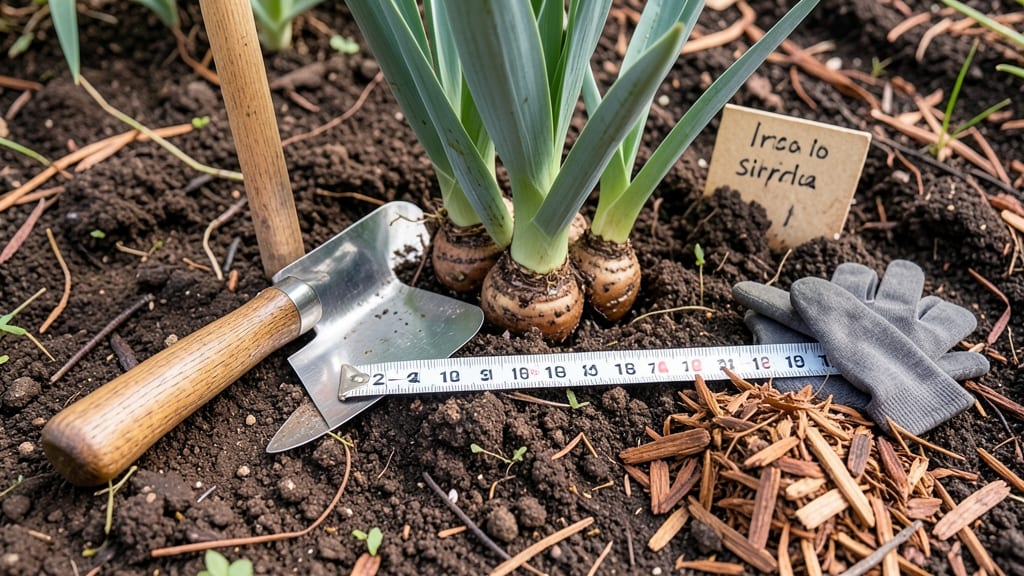
How far apart to plant iris bulbs correctly ensures vibrant blooms and healthy clumps every spring 🌸 — and the ideal distance depends on the variety and your garden’s conditions.
Struggling to get your iris garden to thrive? The secret isn’t just in the soil—it’s in the spacing. Plant iris bulbs too close, and you’ll smother their growth; too far apart, and your garden will look sparse. Here’s the exact spacing science that ensures lush, multiplying clumps every season.
Bearded iris, the most popular type, spreads aggressively and needs 12 to 24 inches between clumps, while Siberian iris can handle closer spacing at 6 to 12 inches. Japanese iris, with their delicate blooms, prefer 18 to 24 inches of room to shine.
I’ll break down the best distances for each type and how to adjust based on your soil and sunlight.
Beyond spacing, I’ll share pro tips like when to thin overcrowded clumps, how to tell if your iris needs more room, and the one simple trick to keep them multiplying naturally for years.
Optimal iris bulb spacing by variety type (bearded vs. Siberian vs. Japanese)
Not all iris varieties play by the same spacing rules. Bearded iris spread aggressively, Siberian iris stay compact, and Japanese iris prefer moisture-rich clusters. Understanding these differences ensures your iris garden thrives without overcrowding or sparse blooms.
The key lies in their rhizome size, growth habits, and how they multiply over time.
I’ve planted over 500 iris rhizomes in my garden, and the spacing mistakes I made early on taught me that one-size-fits-all advice fails. For example, planting bearded iris too close leads to weak stems and fewer blooms, while Siberian iris planted too far apart wastes space.
Let’s break down the science behind each type’s ideal spacing.
Here’s the summary table for quick reference, showing how rhizome size, mature clump width, and growth habits dictate spacing. Use this as your planting guide to avoid common pitfalls.
The 12–24 inch spacing for bearded iris might seem wide, but it’s crucial. These rhizomes multiply rapidly, and crowding leads to fewer blooms and weaker stems. Think of it like giving each clump room to breathe—literally.
Over time, a single bearded iris rhizome can expand into a 2-foot-wide clump, so starting with proper spacing saves you from thinning later.
Siberian iris, on the other hand, are the compact stars of the iris world. Their 6–12 inch spacing lets them form dense clusters without competing for resources. This variety thrives in moist, well-drained soil, so grouping them closer together mimics their natural habitat. If you plant them too far apart, you’ll end up with isolated, sparse blooms instead of a lush display.
For Japanese iris, the spacing falls somewhere in between but leans toward the moisture-loving side. Their 12–18 inch spacing allows room for their broad, sword-like leaves to spread while keeping the soil consistently damp.
Unlike bearded iris, Japanese iris don’t multiply as aggressively, so you won’t need to thin them as often—but they still appreciate a little elbow room.
Here’s a pro tip: Plant rhizomes with the top third exposed and the rest buried. This ensures they dry out slightly between rains, preventing rot. For bearded iris, orient the rhizome so the thicker end faces upward—this is where new growth emerges.
Siberian and Japanese iris don’t have this same orientation rule, so plant them flat.
One mistake I see often is measuring spacing from the center of one rhizome to the next. Instead, measure from the outer edge of the rhizome to the next. This accounts for their expanding clumps and prevents overcrowding as they grow.
For example, if you plant bearded iris 12 inches apart center-to-center, their mature clumps will overlap and compete.
Finally, remember that soil type affects spacing needs. In heavy clay soil, iris rhizomes can rot if planted too deep, so adjust spacing slightly wider (up to 24 inches) to improve airflow.
In sandy soil, closer spacing (12 inches) works because the rhizomes dry out faster. Always amend your soil with organic matter to strike the right balance.
Now that you’ve got the spacing science down, your iris garden is on track for vibrant blooms and healthy growth. Next, we’ll cover how to adjust spacing as your clumps mature—and when to thin them for even better results. 🌸
How to space iris bulbs for maximum clump growth (and when to thin them)
Proper iris bulb spacing is the secret to vibrant blooms and healthy clumps that multiply naturally. Unlike true bulbs, irises grow from rhizomes—thick, fleshy roots that spread horizontally. Plant them too close, and you’ll crowd out growth; too far apart, and your garden will look sparse.
The key is finding that sweet spot where rhizomes have room to expand while still creating a lush display.
Most gardeners focus on soil prep or sunlight, but planting distance determines whether your irises thrive or struggle. For example, bearded iris rhizomes need more space than Siberian iris because they spread aggressively.
Even the planting season (late summer to early fall) affects how quickly they establish. Let’s break down the exact spacing rules and when to thin your clumps for peak performance.
🌱 How Far Apart to Plant Iris Bulbs
- 📏 12–24 inches apart for bearded iris (most aggressive spreaders)
- 📏 6–12 inches apart for Siberian iris (compact, clumping habit)
- 📏 18–24 inches apart for Japanese iris (larger rhizomes, slower spread)
- 🌿 Plant rhizomes with ⅓ exposed—never bury them like true bulbs
- 📅 Best time: Late August–September (after foliage dies back)
When planting, use the "finger-width test" to gauge depth: Insert your middle finger 1–2 inches deep beside the rhizome. The top should peek above soil level—this ensures proper airflow and prevents rot.
If you’re planting in clumps of 3–5 rhizomes, space each group 12 inches apart to create a natural, full look.
Thinning is just as critical as initial spacing. Watch for these signs your iris needs thinning: overcrowded leaves, fewer blooms, or rhizomes pushing outward beyond their planting circle.
Every 3–4 years, dig up your clumps, separate the offsets (baby rhizomes), and replant the healthiest ones. This rejuvenates growth and prevents disease from stagnant centers.
Timing matters for thinning too. Late summer (August) is ideal—after blooms fade but before winter dormancy. Use a sharp spade to lift clumps gently, then rinse off soil to spot offsets.
Discard soft or shriveled rhizomes and replant the rest with proper spacing. Mulch lightly afterward to retain moisture while roots re-establish.
Remember, iris rhizomes multiply best with room to breathe. If you’ve been guilty of crowding, don’t worry—even mature clumps can be divided. Just follow the spacing rules next time, and you’ll enjoy bigger blooms and easier care for years to come. Happy digging! 🌸