
Planting
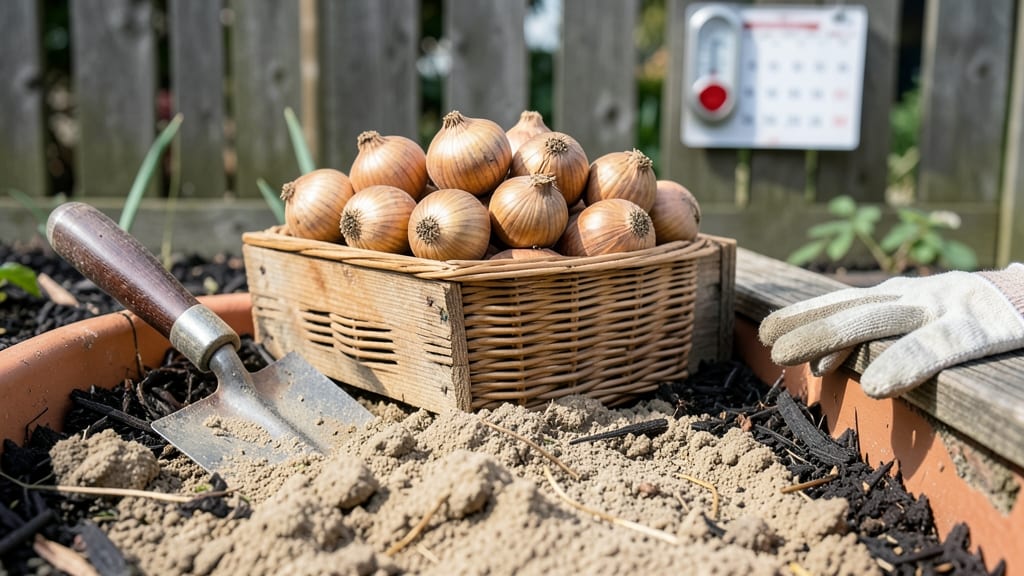
Planting tulip bulbs 🌷 too late can still yield spring blooms, but the exact deadline depends on your zone and soil conditions.
If you’ve ever stared at a bag of tulip bulbs in late November wondering whether to plant them, you’re not alone. The answer isn’t just a simple "yes" or "no"—it hinges on whether the ground can still support root growth before winter sets in.
For most gardeners in USDA Zone 6a, the ideal window stretches from September to November, but colder regions can push that deadline back even further. Planting too late risks bulbs rotting in cold, wet soil or failing to establish roots before frost locks the ground.
Below, I’ll break down the zone-specific deadlines, how to tell if it’s too late, and the best tricks—like mulching or choosing hardier varieties—to give your late-planted tulips the best shot at next spring’s showstopping blooms.
Zone-specific deadlines for planting tulip bulbs
Planting tulip bulbs at the right time ensures strong root growth before winter sets in. The ideal window varies by USDA hardiness zone, with soil temperature and frost cycles playing critical roles.
In most regions, bulbs need 4-6 weeks to establish roots before the ground freezes. Let’s break down the zone-specific deadlines to help you avoid winter damage and maximize spring blooms.
In USDA zones 3-5, where winters are harsh, you’ll want to plant tulips as early as mid-September to give roots time to develop. Soil temperatures should stay above 50°F (10°C) for root growth to begin.
Missing this window risks bulbs freezing before they establish, leading to poor or no blooms next spring. Always check your local frost dates to time planting perfectly.
For zones 6-8, the planting window extends later into fall, typically from late September to mid-November. These zones experience milder winters, allowing bulbs more time to root before freezing.
However, planting too late—after the first hard frost—can still stress bulbs. Aim to finish by 6 weeks before your area’s average first frost date.
In zones 9-10, where winters are mild or nonexistent, you can plant tulips as late as December, but early fall is still best. Soil temperatures remain warmer longer, so bulbs can root slowly.
However, even in warm climates, planting in early fall (September-October) ensures stronger blooms, as bulbs benefit from a period of cool weather before spring growth.
Soil temperature is a critical factor in determining how late you can plant tulip bulbs. Roots need soil temps between 50°F and 60°F (10°C-15°C) to grow actively. If soil cools below 40°F (4°C), root growth slows dramatically, increasing the risk of winter damage.
Use a soil thermometer to check temps before planting—if it’s consistently below 50°F, it’s time to stop digging.
Frost cycles also dictate the planting deadline. Tulip bulbs can tolerate light frosts once roots are established, but planting after the first hard frost (below 28°F (-2°C)) stresses bulbs. In colder zones, this means wrapping up planting by mid-November at the latest.
In warmer zones, you have more flexibility, but early planting still yields better results for vibrant blooms.
If you’re unsure about your local frost dates, use the National Weather Service or a USDA zone map to estimate your area’s average first frost. Many gardeners also rely on the "6-week rule": count backward from your first frost date to determine the last safe planting day.
For example, if your first frost is November 15, aim to finish planting by October 1.
For gardeners in transition zones (e.g., zones 6b-7a), unpredictable weather can complicate timing. If fall weather turns warm again after an early frost, bulbs may resume growth only to be damaged by a late freeze.
In these cases, consider planting in containers or using mulch for insulation to extend the safe window slightly. Always prioritize root establishment over late-season planting.
Remember, even if you plant tulips at the absolute last minute, they may still bloom—though the flowers might be smaller or fewer. The key is ensuring bulbs have at least 4-6 weeks of root growth before winter.
If you miss the ideal window, don’t panic! Try cold-hardy varieties like Tulipa tarda or Tulipa clusiana, which tolerate later planting better than delicate hybrids.
Pro tip: After planting, add a 2-3 inch layer of mulch to insulate bulbs and regulate soil temperature. This extra protection can help bulbs survive slightly later planting in marginal zones. Just be
Signs your tulip bulbs are past the planting window
If you're staring at a bag of tulip bulbs wondering if it's still worth digging in the garden, pay attention to your soil temperature and weather forecasts. Tulips need 4-6 weeks of cool soil to establish roots before winter sets in.
Once temperatures drop below 50°F (10°C) consistently, root growth slows dramatically, making late planting risky.
Another clear sign it's too late is when the ground becomes rock-hard or frozen. Even with a shovel, forcing bulbs into frozen soil can damage their delicate roots.
In colder zones (USDA 3-5), this can happen as early as late October, while warmer zones (USDA 7-10) might have workable soil into December.
⚠️ WARNING: Late Planting Risks & Deadlines ⚠️
- USDA 3-5: Plant by mid-October (soil freezes by November)
- USDA 6-7: Plant by late November (first frost risk after)
- USDA 8-10: Plant by December 1st (ground rarely freezes)
- Frozen soil = broken roots
- No root growth = weak spring blooms
- Frost heave = bulbs pushed out of soil
Watch for frost warnings in your area—even a single hard freeze (28°F/-2°C) can kill unprotected bulbs. If frost is forecasted within 2 weeks of planting, hold off until next fall. Late-planted bulbs may still sprout, but they’ll likely produce smaller, weaker blooms or fail entirely in harsh winters.
In unpredictable climates (like Pacific Northwest or Midwest), err on the side of caution. If your fall weather has been unusually warm, soil temperatures might stay ideal longer—but a sudden cold snap can derail your plans. Use a soil thermometer ($10 at garden centers) to track temperatures before planting.
If you’ve already planted late, don’t panic! With proper mulching and well-draining soil, some bulbs may still survive. Focus on spring care: remove mulch early to encourage growth, and fertilize lightly when shoots appear. Just don’t expect showstopping blooms—late plantings often yield smaller flowers or delayed blooming.
For next year, mark your calendar 6 weeks before your average first frost (check USDA Plant Hardiness Zone Map) and plant bulbs by that date. If you’re a zone 6-7 gardener, aim for mid-October—this gives bulbs just enough time to root before winter.
Timing is everything, and a little planning now saves heartbreak (and money) later! 🌷