
Blooming
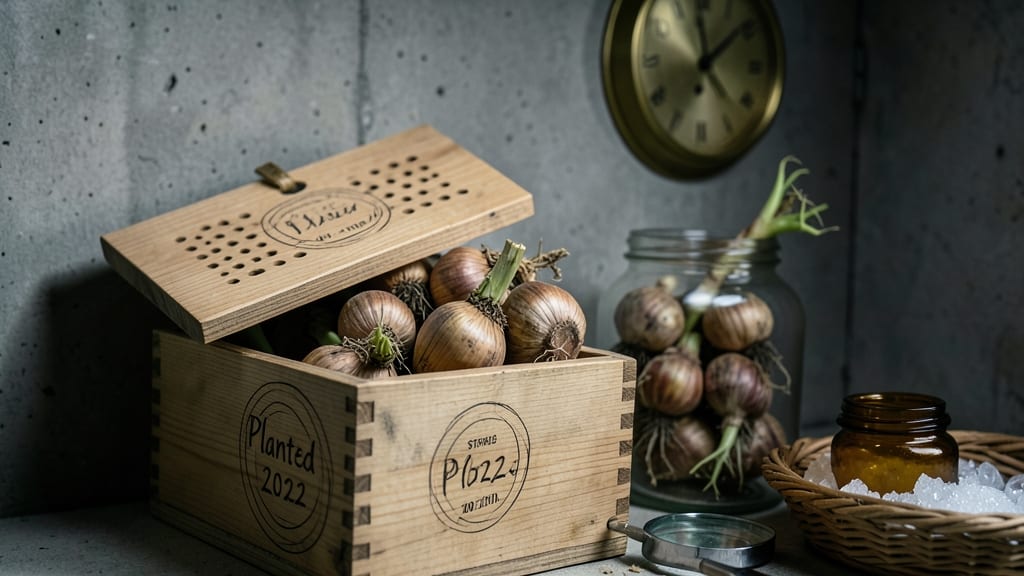
Tulip bulbs are good for how long—the answer is 3 to 5 years—but only if you store them right. That’s the secret most gardeners miss, and it’s why their bulbs seem to fade faster than expected.
Picture this: You dig up your 🌷 tulips after their first spring bloom, tuck them away in a cardboard box, and forget about them. A year later, you pull them out, expecting vibrant blooms—but they’re shriveled or slow to sprout. That’s not just bad luck; it’s storage gone wrong.
With the right conditions—cool, dry, and pest-free—you can easily double that lifespan. I’ve kept my own bulbs strong for five years by following a few simple rules, and I’ll walk you through every step to make sure yours thrive too.
You’ll learn how to check for bulb health before planting, the best containers to use (spoiler: it’s not just any box), and when to say goodbye to a bulb that’s past its prime. Let’s get those tulips ready for another stunning spring display!
Tulip bulb shelf life: how long they last before planting
If you’ve ever wondered why some tulip bulbs bloom beautifully one year but fail the next, the answer lies in their shelf life. Under ideal conditions, most tulip bulbs remain viable for 3-5 years before planting.
However, with proper storage, you can push that lifespan to 7 years or more. The key lies in understanding how storage conditions, bulb variety, and dormancy cycles impact longevity.
The science behind bulb aging involves nutrient depletion and moisture loss over time. Tulips store energy in their scaly tunics, and each season of growth drains these reserves. Without proper cool, dry storage, bulbs can shrivel or develop rot or mold, rendering them unusable.
Even healthy bulbs eventually weaken if left in suboptimal conditions for too long.
Variety matters—some tulips, like Darwin Hybrid or Parrot tulips, tend to last longer than species tulips or fragile hybrids. Larger bulbs also store more energy, giving them a slight edge in longevity. But regardless of type, all bulbs follow the same basic rules for storage and revival.
| Bulb Type | Ideal Shelf Life | Storage Conditions | Signs of Deterioration |
|---|---|---|---|
| Darwin Hybrid | 5-7 years | 40-50°F, 50-70% humidity | Soft, shriveled tunics |
| Parrot Tulips | 4-6 years | Cool basement, dry peat moss | Moldy or hollow centers |
| Species Tulips | 2-4 years | Refrigerator crisper, ventilated | Sprouting before planting |
| Dwarf Tulips | 3-5 years | Mesh bags, dark closet | Discolored or mushy bulbs |
| Standard Tulips | 4-6 years | 50°F, paper bags | Pests (mice, mites) |
One of the biggest mistakes gardeners make is storing bulbs in plastic bags or humid environments. Excess moisture accelerates rot and fungal growth, while temperature fluctuations can shock the bulbs into premature sprouting.
The goal is to mimic their natural dormancy conditions—cool, dry, and dark—just like they’d experience underground in winter.
To test a bulb’s viability before planting, gently squeeze it—it should feel firm and plump. If it’s soft or hollow-sounding, it’s past its prime. You can also check for sprouts or roots; if they’re already growing, the bulb is trying to force bloom too early.
In this case, you can still plant it, but expect smaller, weaker flowers.
Another critical factor is age-related decline. After 5-7 years, even well-stored bulbs may produce fewer blooms or paler flowers. This is because their energy reserves are depleted. At this point, it’s often better to replace them with fresh bulbs for the best display.
However, you can still use older bulbs for foliage or container gardens where flowers aren’t the priority.
Fun fact: Some gardeners swear by soaking bulbs in water for 24 hours before planting to revive them. While this can help with shriveled tunics, it’s not a magic fix for deeply deteriorated bulbs.
For best results, combine proper storage with seasonal planting—aim to plant tulips 6-8 weeks before the first frost for optimal growth.
If you’re storing bulbs long-term, consider labeling them by year. This helps you track which ones are nearing their shelf life and which are still prime for planting. Rotate your stock annually, using the oldest bulbs first to avoid letting them sit too long.
With these tips, you’ll maximize your tulip bulb lifespan and enjoy vibrant blooms year after year.
Best storage methods to preserve tulip bulbs for years
Storing tulip bulbs properly can turn a one-season wonder into a multi-year treasure. With the right conditions—cool temperatures, low humidity, and good airflow—your bulbs can stay viable for 3 to 5 years, sometimes even longer.
The key is mimicking their natural dormancy period while protecting them from rot, pests, and drying out.
Most gardeners make the mistake of storing bulbs in damp basements or warm garages, which speeds up decay. Instead, focus on a consistently cool, dry environment with temperatures between 35°F and 50°F.
This could be a refrigerator, unheated garage, or even a ventilated basement. Let’s break down the best methods to keep your tulips thriving for years.
⚠️ How Long Are Tulip Bulbs Good For?
Under ideal storage, tulip bulbs can last 3 to 5 years. However, most bulbs degrade faster—often losing vigor within 2 years—due to poor storage conditions. Signs of expired bulbs include shriveled skin, mold, or a soft, mushy texture. Replace bulbs if they feel lightweight or hollow when pressed.
For container storage, use a shallow box or mesh bag filled with dry peat moss, sand, or even crumpled newspaper. Space bulbs so they’re not touching, and label them by variety.
Place the container in a cool, dark spot like a basement or garage shelf. Check them monthly for signs of rot or pests.
If you’re using a refrigerator, store bulbs in a paper bag with a few holes for airflow. Avoid plastic containers, which trap moisture and cause mold. Place them on a shelf in the crisp drawer (around 35°F) and check them every 2 months.
Remove any bulbs that feel soft or smell off.
Pest prevention is critical—mice and mold are the biggest threats. Sprinkle diatomaceous earth lightly around stored bulbs or place a few cedar blocks in the container.
Cedar’s natural oils repel pests without harming the bulbs. Also, avoid storing bulbs near apples or onions, which release ethylene gas and speed up deterioration.
Before replanting, inspect bulbs for firmness and plumpness. Discard any that are shriveled, moldy, or smell bad. Soak healthy bulbs in lukewarm water for 12 hours to revive them before planting. With proper storage, your tulips will reward you with bold blooms year after year!