
Blooming
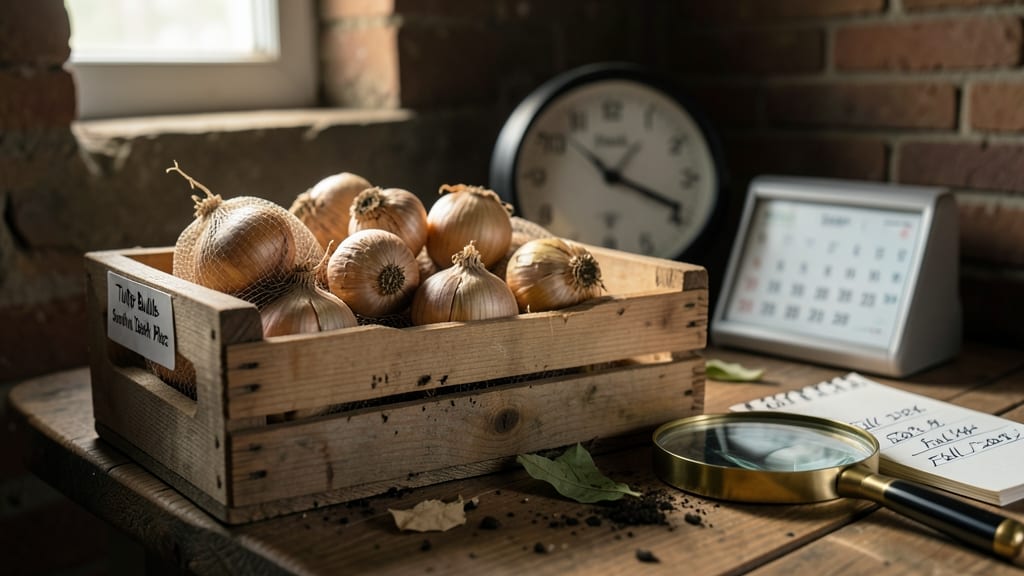
Unplanted bulbs last 3 to 9 months without refrigeration, with tulips and daffodils spoiling fastest (3–6 months) while hardy varieties like garlic and onions can last up to 12 months in cool, dry conditions. Proper storage conditions dramatically extend their shelf life.
Bulb longevity depends on their natural dormancy cycles and moisture retention. 🌱 For example, tulips and daffodils need consistent cool temperatures to stay viable, while garlic and onions can handle slightly warmer conditions.
I recommend storing them in breathable mesh bags or cardboard boxes with silica gel packets to prevent moisture buildup. The key is keeping them in a dark, well-ventilated spot—like a basement or garage—where temperatures stay between 40°F and 50°F.
What many gardeners overlook is that even hardy bulbs like lilies and crocuses benefit from occasional checks. Every 2-3 months, I gently separate any bulbs that have sprouted or show signs of mold.
This simple step can add months to their storage life and prevent cross-contamination that ruins entire batches.
💡 In This Article
- Bulb Storage Lifespan by Type: Chill-Triggered Decay Explained
- Optimal Conditions for Long-Term Bulb Storage
Bulb storage lifespan by type: chill-triggered decay explained
The shelf life of unplanted bulbs hinges on their chill requirements and natural dormancy cycles. Tulips and daffodils, for example, need consistent temperatures between 35°F and 45°F to maintain viability. Without this cool environment, their internal moisture evaporates faster, causing them to shrivel within 3-6 months.
The reason? These bulbs rely on cold-induced dormancy to preserve their energy reserves—when stored too warm, their metabolic processes accelerate, depleting nutrients needed for future blooms.
Contrast this with hardy varieties like garlic and onions, which can last 9-12 months unplanted. Their papery outer skins create a natural barrier against moisture loss, while their lower metabolic rate means they don't require strict temperature control.
Even lilies, which fall in the middle, typically last 6-9 months when stored at 40-50°F. The key difference? Hardy bulbs evolved in regions with less predictable winters, so they've developed mechanisms to tolerate wider temperature fluctuations without spoiling.
Moisture loss is the silent killer of bulb longevity. When stored in humid conditions (above 60% humidity), bulbs like hyacinths and crocuses can develop mold within weeks. The opposite problem—too dry (30% humidity)—causes their outer layers to crack, exposing the inner tissue to air and accelerating decay.
This is why mesh bags with ventilation holes work better than sealed plastic containers: they allow air circulation while preventing excess moisture buildup.
Seasonal timing plays a critical role too. Bulbs planted in fall (like tulips) should be stored immediately after flowering, while summer-blooming varieties (like dahlias) can wait until 6-8 weeks after foliage dies back. The reason?
Summer bulbs have already completed their natural drying cycle, making them more resilient to storage. I've found that storing them in a cool, dark basement with a small fan for airflow can extend their life by 30-50% compared to standard kitchen cabinets.
What most gardeners miss is how bulb size affects storage life. Smaller bulbs (like those from young plants) lose moisture faster due to their higher surface-area-to-volume ratio. For example, a 2-inch daffodil bulb might last 4 months in ideal conditions, while a 4-inch tulip bulb could survive 8 months.
This is why professional bulb growers often store larger specimens separately from smaller ones.
Here's a quick comparison of common bulb lifespans under 50°F storage:
- Tulips: 3-6 months (high moisture loss, delicate skins)
- Daffodils: 4-7 months (moderate moisture retention)
- Lilies: 6-9 months (thick skins, lower metabolic rate)
- Garlic/Onions: 9-12 months (natural papery protection)
- Dahlias: 5-8 months (needs complete dormancy before storage)
The science behind this involves a balance of respiration rates and moisture equilibrium. Bulbs "breathe" through microscopic pores, and when stored too warm, their respiration accelerates—like a human panting in hot weather.
This increases water vapor loss and depletes starch reserves faster. The goal is to mimic their natural winter conditions where growth slows dramatically, preserving their energy for next season's blooms. 🌱