
Blooming
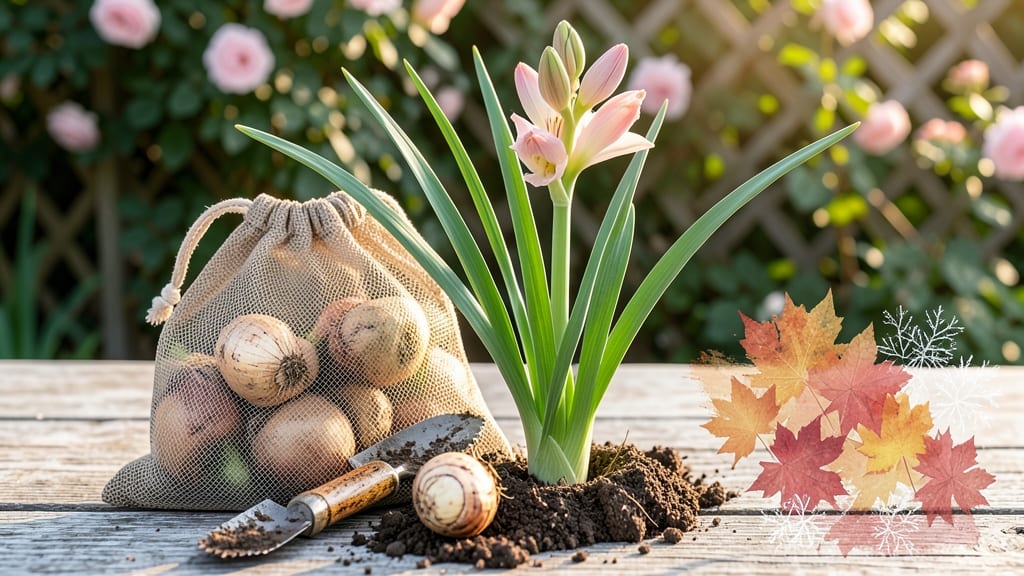
Gladiolus bulbs last 3 to 5 years when stored properly in a cool, dry place with good airflow, though their flowering vigor declines after the second year without replanting. Dig and divide them every 1-2 years for optimal longevity.
Gladiolus bulbs can thrive for years if you handle them right.
The key is understanding their natural lifecycle—these bulbs gradually weaken as they age, especially if left in the ground without division. 🌱 I’ve found that bulbs stored in mesh bags with peat moss at 35-45°F maintain their vitality far longer than those kept in damp conditions.
The first year after planting usually delivers the most dramatic blooms, but proper care can extend their productivity well into their fourth or fifth year.
What’s interesting is how replanting affects their lifespan. When you divide and replant every 1-2 years, you’re essentially giving each bulb a fresh start—new soil means fewer diseases and more nutrients.
This simple step can add an extra year or two to their flowering potential. Just remember: never let them sit in soggy soil during storage, as rot will cut their lifespan short.
💡 In This Article
- Factors That Affect Gladiolus Bulb Longevity
- Step-by-Step Gladiolus Bulb Storage Guide
Factors that affect gladiolus bulb longevity
Gladiolus bulbs degrade primarily due to biological stress and environmental factors. The most critical issue is disease buildup in the soil, particularly fungal infections like Fusarium or Botrytis, which thrive in damp conditions.
These pathogens accumulate over time, weakening the bulb's immune response. 🌱 The bulbs' natural defenses decline as they age, making them more susceptible to rot—especially if stored in high humidity (above 60%) or temperatures exceeding 50°F.
Nutrient depletion plays a secondary role. Each flowering cycle extracts vital reserves from the bulb, leaving it less robust for subsequent years. Without replenishment, the bulb's energy reserves dwindle, resulting in smaller blooms or complete failure to flower.
This is why dividing bulbs every 1-2 years is essential—it redistributes nutrients and reduces competition among shoots, extending their productive lifespan.
Moisture damage is another silent killer. Gladiolus bulbs are sensitive to excess water during dormancy, which triggers enzymatic breakdown of stored starches. Even well-drained soil can become problematic if left undisturbed, as residual moisture promotes microbial activity that accelerates decay.
The ideal storage humidity should be 40-50%, achieved through materials like perlite or vermiculite, which absorb excess moisture without suffocating the bulb.
Temperature sensitivity is often underestimated. Bulbs store best at 35-45°F—too warm, and metabolic processes continue, depleting reserves; too cold (below 32°F), and cell damage occurs. This range mimics their natural dormancy period, slowing biological activity while preserving viability.
Freezer temperatures (below 32°F) can cause ice crystal formation, rupturing delicate bulb tissues and shortening their lifespan by up to 50%.
Dormancy itself is a double-edged sword. While it conserves energy, improper dormancy—like storing bulbs too early or too late—disrupts their natural cycle. Harvest bulbs after foliage yellows completely but before hard frost (within 2-3 weeks), as premature removal leaves them nutrient-deficient.
Conversely, leaving them too long in the ground exposes them to winter moisture and freeze-thaw cycles, which stress the bulb's protective layers.