
How To
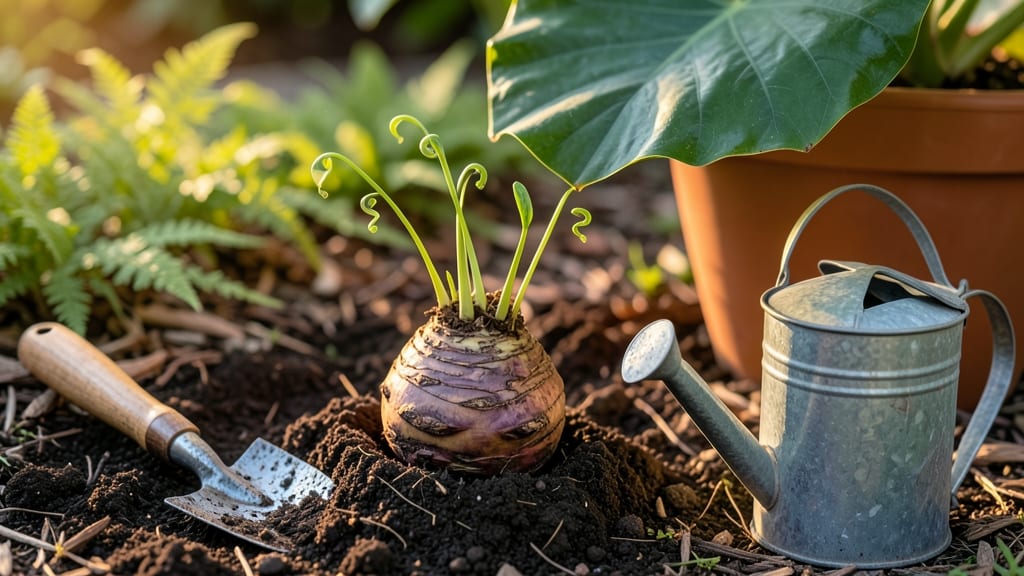
Elephant ear bulbs sprout in 4 to 12 weeks after planting, but timing depends on whether they’ve had their required 600–900 chill hours—a critical step many gardeners overlook.
Picture this: you’ve tucked those plump tubers into the garden bed in April, only to stare at bare soil for weeks, wondering if you’ve made a mistake. The truth?
These tropical beauties 🌿 need a two-step dance: a winter nap in cool soil followed by warm spring temperatures to wake up. Skip either, and you’ll be waiting much longer than necessary.
Soil temperature is the real game-changer. Bulbs planted in 65–75°F soil will sprout faster, but if the ground is still chilly, they’ll hold back until conditions are just right. That’s why USDA Zone 6a gardeners often see sprouts by mid-May, while warmer zones might get them as early as March.
Below, I’ll break down the exact timeline by zone, how to tell if your bulbs are ready to push through the dirt, and what to do if they’re playing hard to get. No more guessing—just stunning foliage on schedule.
Elephant ear bulb sprouting timeline: chill hours vs. warmth requirements
Elephant ear bulbs (Colocasia and Alocasia) are tropical divas that refuse to play by the rules of most plants. Unlike annuals that sprout quickly, these beauties demand a two-phase dance of cold dormancy followed by warm soil to wake up.
Without the right balance of chill hours and soil warmth, your bulbs might just sit there—silent and stubborn—waiting for the perfect moment. Let’s break down the science and timing so you can coax those glossy leaves into action.
The key to sprouting success lies in understanding how chill hours (cold dormancy) and soil temperature work together. Most elephant ear bulbs need between 600–900 chill hours (temperatures between 35–50°F) to break dormancy. This mimics their natural tropical winter—when they’d be dormant underground.
Once they’ve had their cold snap, they crave warmth (65–75°F soil) to kickstart growth. Skip either step, and you’re left with bulbs that refuse to cooperate.
Here’s where regional growing zones come into play. If you’re in USDA Zone 7, you’ll likely hit your 600–900 chill hours naturally between November and March. But gardeners in Zones 9–11 might need to simulate dormancy by refrigerating bulbs for 8–12 weeks.
Without this cold treatment, your bulbs could sprout weakly or not at all, leaving you frustrated and wondering why your $20 bulb is playing dead.
Once your bulbs have satisfied their chill hour requirement, the real magic happens when soil temperatures rise. The sweet spot for sprouting is 65–75°F. Below 60°F, growth stalls, and above 80°F, roots can overheat.
In cooler zones like Zone 7, this usually aligns with late March–April, while warmer zones (9–11) might need a heat mat or black plastic mulch to jumpstart the process. Pro tip: Use a soil thermometer—don’t guess!
Now, let’s talk timing. If all conditions are perfect, you’ll see the first tiny shoots emerging from the soil in 3–6 weeks after planting. However, if your bulbs didn’t get enough chill hours, this window can stretch to 8–10 weeks or longer.
Patience is key—don’t dig up your bulbs to "check" on them. Disturbing them too soon can stress the roots and delay sprouting even further.
Regional differences play a huge role. In Zone 7, where winters are cold, bulbs often sprout naturally in spring without extra intervention. But in Zone 9, where winters are mild, you might need to
5 Signs your elephant ear bulbs are ready to sprout (and what to do next)
Your elephant ear bulbs (Colocasia) have been patiently waiting in dormancy, but now they’re signaling it’s time to wake up. Recognizing these 5 key signs ensures you don’t miss the perfect moment to prep for planting.
The transition from dormancy to growth is subtle, but knowing what to look for—like root growth or bud swelling—helps you act fast.
First, check for visible root growth around the bulb’s base. Healthy roots should appear firm and white, indicating the bulb has absorbed enough moisture to break dormancy.
This is your first green light that the bulb is ready to sprout, typically after 600–900 chill hours and when soil temps hit 65–75°F. Pair this with bud swelling at the bulb’s top.
🌱 Numbered Highlights: 5 Signs Your Bulbs Are Ready
- 1. Roots – White, firm roots (1/4" long) emerging from bulb base.
- 2. Buds – Swollen, greenish tips breaking through bulb surface.
- 3. Weight – Bulb feels heavier due to moisture absorption.
- 4. Soil Temp – Ground reaches 65–75°F consistently.
- 5. Time – 4–6 weeks after last frost in your zone.
🌿 Pro Tip: Test soil temp with a thermometer—cold soil delays sprouting!
Once you spot these signs, it’s time to prep your planting site. Elephant ears thrive in rich, well-draining soil with a pH of 6.0–7.5. Amend your garden bed with compost or aged manure to ensure nutrients are available for rapid growth.
Avoid heavy clay, which can suffocate roots and cause rot.
Next, focus on sunlight placement. These tropical plants love morning sun and afternoon shade, especially in hotter climates. If planting in containers, choose a spot with 3–6 hours of filtered light daily. In-ground plantings should avoid harsh afternoon rays, which can scorch leaves.
After prepping the soil, plant bulbs 3–4 inches deep and 12–18 inches apart to give roots room to spread. Water deeply right after planting to settle the soil and encourage root establishment. Mulch with 2–3 inches of organic mulch to retain moisture and regulate soil temperature.
Finally, monitor for sprouts within 2–4 weeks after planting. If conditions are ideal, you’ll see bright green shoots pushing through the soil. Keep the area consistently moist but not soggy—elephant ears hate soggy roots. Within a month, you’ll have lush foliage ready to dominate your garden’s tropical vibe!