
Blooming
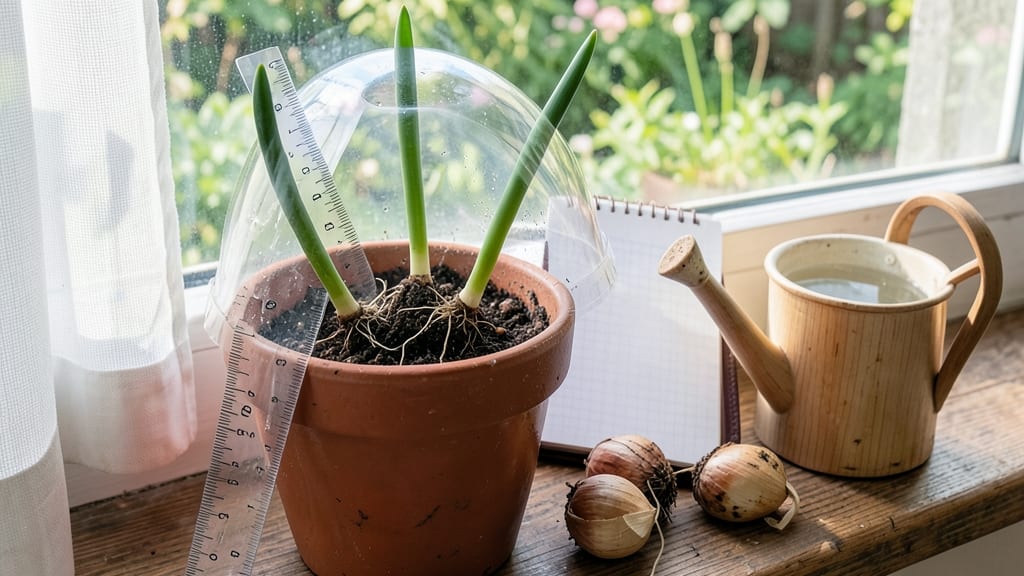
Lily bulbs take anywhere from 2 to 6 weeks to sprout after planting, but the real secret to speeding up those shoots lies in understanding their chill-time needs.
If you’ve planted lily bulbs and are waiting for those first green shoots to break through the soil, you’re probably wondering: Why is this taking so long? The answer lies in understanding lily bulbs’ unique dormancy requirements—and how to trigger faster sprouting with the right chill-time techniques.
Most lilies 🌸 need a period of cold exposure (called vernalization) to break dormancy, which is why bulbs planted in early spring often take longer to sprout than those given a head start in a refrigerator.
Without this step, you might be staring at bare soil for weeks, wondering if your bulbs are even alive.
In this guide, I’ll break down the exact sprouting timeline for different lily varieties, share proven methods to jumpstart germination, and reveal the subtle signs that tell you your bulbs are finally waking up. No more guesswork—just faster, healthier blooms in your garden.
Lily bulb sprouting timeline: chill-time requirements by variety
Waiting for lily bulbs to sprout can feel like an eternity—especially when you’ve planted them at the perfect time. The truth? Most lily varieties need a cold dormancy period to break dormancy and trigger sprouting.
Without proper chill-time, bulbs may sit dormant for months, leaving you wondering if they’re even alive. Understanding your lily’s specific chill requirements is the key to faster, more reliable sprouting.
Lily bulbs aren’t one-size-fits-all. Asiatic lilies might sprout in 4–6 weeks with the right conditions, while Oriental lilies can take 8–12 weeks or longer. Trumpet lilies and Martagon lilies have their own timelines, too.
The difference? Their native climates and how they handle dormancy. Let’s break down what you need to know to time your planting for success.
| Variety | Chill-Time Requirement | Sprouting Window | Best Planting Time | Hardiness Zones |
|---|---|---|---|---|
| Asiatic Lilies | 4–8 weeks at 35–45°F | 4–6 weeks after planting | Fall (6–8 weeks before frost) or early spring | 3–9 |
| Oriental Lilies | 8–12 weeks at 35–45°F | 6–10 weeks after planting | Fall (8–10 weeks before frost) | 4–9 |
| Trumpet Lilies | 6–10 weeks at 35–50°F | 5–8 weeks after planting | Fall (6–8 weeks before frost) | 4–10 |
| Martagon Lilies | 6–12 weeks at 35–50°F | 6–12 weeks after planting | Fall (8–10 weeks before frost) | 3–8 |
If you live in warmer climates (zones 7–10), lilies may not get enough natural chill. That’s why many gardeners use a refrigerator trick to simulate winter. Place bulbs in a paper bag with peat moss and store them at 35–45°F for 6–12 weeks before planting.
This mimics the cold dormancy they’d experience in colder zones, ensuring faster sprouting once planted.
Soil temperature plays a huge role in when lilies sprout. Bulbs won’t break dormancy until the soil reaches 50–60°F. In cooler zones (3–6), this often happens naturally in early spring, while warmer zones (7–10) may need bulbs planted in fall to get the chill they need.
Pro tip: Use a soil thermometer to monitor temperatures—planting too early or late can delay sprouting by weeks.
One common mistake? Assuming all lilies sprout at the same time. Oriental lilies, for example, are notorious for slow, inconsistent sprouting compared to Asiatics. If your bulbs haven’t sprouted in 8–10 weeks, check for rot (squishy bulbs) or dormancy (firm bulbs).
A quick test: Dig one up—if it’s plump and firm, it’s still dormant. If it’s shriveled or mushy, it may have failed.
Seasonal planting windows matter just as much as chill-time. In zones 3–6, plant lilies in fall (September–October) to give them winter’s natural chill.
In zones 7–10, plant in late winter (February–March) after simulating chill-time. Never plant in summer heat—bulbs can cook in warm soil, leading to rot before they even sprout. Timing is everything!
Light exposure also affects sprouting speed. While lilies thrive in full sun, newly planted bulbs need indirect light until shoots emerge. Too much direct sun can dry out the soil, stressing bulbs and delaying sprouting.
Mulch with 2–3 inches of straw or shredded leaves to retain moisture and regulate soil temperature. This simple step can cut sprouting time by 1–2 weeks.
How to speed up lily bulb germination: proven chill-time triggers
Lily bulbs need a cold dormancy period to break their natural dormancy cycle and trigger sprouting. Without this chill-time requirement, many bulbs simply refuse to grow, leaving you staring at bare soil for weeks.
The good news? You can simulate winter conditions at home to jumpstart germination and get those first green shoots appearing in just 2-4 weeks instead of months.
Most lily varieties—especially Asiatic, Oriental, and Trumpet lilies—require 6-12 weeks of cold exposure between 35°F and 45°F (2°C–7°C). This mimics the natural winter chill they’d experience in the ground.
If you planted bulbs in fall but skipped pre-chilling, they might still sprout—but often late or weakly. Let’s fix that with proven methods to accelerate germination.
⚠️ callout-warning
Without chill-time: 6–12 weeks (or never for stubborn bulbs). With proper chilling: 2–6 weeks after planting. Over-chilling? Bulbs may rot if exposed to freezing temps (<32°F/0°C) for too long. Key clue: Healthy bulbs should feel firm and plump—if they’re shriveled or moldy, discard them.
First, try refrigerator chilling, the easiest method for indoor gardeners. Place bulbs in a paper bag with moist peat moss or perlite to keep them hydrated but not soggy. Store them in your crispier drawer (around 38°F/3°C) for 8-12 weeks.
Check weekly for root growth—tiny white roots mean they’re ready to plant. Pro tip: Label bulbs by variety and chill-start date to track progress.
For outdoor gardeners, cold stratification in the ground is ideal. Plant bulbs 6-8 weeks before your last frost date (e.g., October in Zone 6) in well-draining soil.
The natural soil temperature fluctuations will handle the chilling for you. If you’re in a warmer climate (Zones 8–10), pre-chill bulbs indoors first to avoid premature sprouting in winter.
Soil temperature is critical once bulbs are planted. Use a soil thermometer to confirm temps are above 50°F (10°C) before sprouting. If your soil stays too cold (<45°F/7°C), growth will stall.
In containers, move pots to a sunny windowsill or greenhouse to warm the soil faster. Mulch with straw or leaves to insulate bulbs from temperature swings.
Still no sprouts after 6-8 weeks? Don’t panic—try these troubleshooting steps:
- Test bulb viability: Cut open a bulb—healthy tissue should be firm and white; brown/mushy = rot.
- Re-chill bulbs for 2 more weeks if they’re still dormant.
- Adjust planting depth: Too deep (<8 inches)? Sprouts may struggle to break through.