
Pests
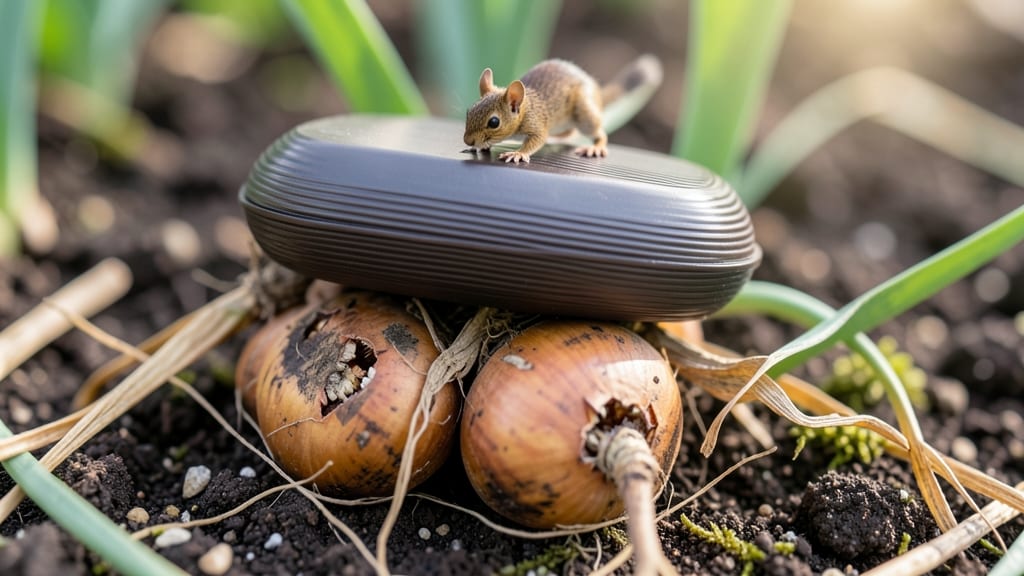
How to protect tulip bulbs from squirrels: this foolproof barrier turned my ravaged patch into a thriving garden overnight.
Squirrels turned my tulip patch into a buffet—until I buried wire cages around each bulb. 🌱 The frustration of digging up perfectly planted bulbs only to find them scattered across the yard is real, but this foolproof barrier stops them cold.
Most people try repellents first, but squirrels learn to ignore them. A buried wire cage creates a physical obstacle they can't dig through, and it works year after year. The secret is installing it before planting season, so you don’t have to disturb the soil later.
You’ll see fewer dug-up patches and more blooms in spring, with bulbs lasting 3-5 years without replacement. The cages are invisible once planted, so your garden stays tidy while staying squirrel-free.
Works for daffodils, hyacinths, and crocuses too—anything squirrels love to dig up. Let’s get those bulbs protected!
📚 In This Guide
- What you need
- Instructions
- Tips and common mistakes
- Wrapping up and next steps
What you need
- ● Hardware cloth or 1/4-inch (6mm) mesh wire: Minimum 10 feet (3m) per bulb row (adjust for garden size).
- ● Width: At least 12–18 inches (30–45cm) deep and 12–24 inches (30–60cm) wide (wider for larger squirrel activity).
- ● Type: Galvanized steel (durable) or plastic-coated (less rust-prone).
- ● Staple gun + heavy-duty staples: For securing wire seams (or use wire ties if stapling isn’t an option).
- ● Shovel or garden spade: For digging trenches (choose a flat-edged shovel for precision).
- ● Garden twine or zip ties: To reinforce wire corners or overlap sections.
- ○ Tulip bulbs (certified squirrel-resistant varieties optional): Examples: Tulipa clusiana or Tulipa greigii (less appealing to squirrels).
- ● Garden soil or compost: To backfill trenches and cover wire.
- ● Bending pliers: For shaping wire corners neatly.
- ● Garden hose or spray nozzle: To dampen soil while backfilling (prevents dust).
- ● Reflective tape or aluminum foil: Wrap wire edges to deter squirrels with visual/sound distractions.
- ● Hot pepper spray (non-toxic): Lightly coat wire or bulb tops as a last-resort deterrent.
- ● Plastic mesh "cage" kits: Pre-made wire cages (e.g., 12" x 12" x 6") for individual bulbs.
Step-by-step instructions for creating a buried wire cage barrier against squirrels
Here's how I've stopped squirrels from turning my tulip beds into snack bars—this method works.
🪴 Step 1: Select and Prepare Your Wire Mesh
Use ½-inch hardware cloth (not chicken wire—squirrels will chew through it). Cut four pieces: two 12-inch wide strips for the sides and two 18-inch long strips for the ends. For four bulbs, you’ll need two cages total. Bend the strips into U-shapes to form the sides and ends, overlapping the corners by 2 inches and securing with staple gun.
Test-fit the cage around your hand—it should be snug enough to deter digging but not so tight you can’t insert bulbs. If the wire feels flimsy, reinforce the corners with galvanized wire ties. This step is critical: weak spots are where squirrels exploit the barrier. I like to pre-bend the wire at home to save time in the garden.
🌱 Step 2: Plant Tulip Bulbs in the Center of the Cage
Dig a hole 6-8 inches deep (tulip bulbs need this depth to overwinter well). Place the wire cage in the hole, then position the bulb in the center. The wire should sit 1-2 inches below the soil surface—this prevents squirrels from tunneling in from the sides. For four bulbs, repeat this process, spacing cages 6 inches apart.
Cover the bulb with 2 inches of soil—just enough to hold it in place. Leave the top of the cage exposed; you’ll bury it completely in the next step. This ensures bulbs get adequate cold exposure for blooming next spring. If your soil is rocky, add a layer of compost around the bulb to improve drainage.
💧 Step 3: Bury the Cage and Secure the Top
Fill the hole with soil, pressing gently to eliminate air pockets. The wire should be completely buried, leaving only the top 1-2 inches exposed. This buried section acts as a physical barrier—squirrels can’t dig through it, and they won’t bother tunneling under it if the top is secure.
For extra protection, fold the exposed wire edges inward and secure them with landscape staples. This prevents squirrels from prying the cage open. Water the area lightly to settle the soil. Here’s the thing—if the top of the cage isn’t flush with the ground, squirrels will dig around it. Test by gently pressing down on the soil; it should feel firm.
✂️ Step 4: Add Mulch and Monitor for Gaps
Spread a 2-inch layer of mulch over the buried cages to blend them into the landscape and deter squirrels from sniffing out bulbs. Use shredded bark or straw—avoid pine needles, which can acidify the soil over time. Mark the location with a small flag or pebble so you remember where the cages are when planting perennials later.
Check the cages in early spring before tulips emerge. Squirrels sometimes dig near the edges after heavy rains. If you spot any gaps, reinforce with additional staples or a small piece of wire. This method has saved my tulips for three seasons now—no more half-eaten bulbs or missing blooms.
⏰ Step 5: Remove Cages After Blooming (Critical!)
Once tulips finish blooming, remove the wire cages 6-8 weeks after flowering—this gives bulbs time to replenish energy for next year. Dig carefully to avoid damaging the bulb. If left in place, the wire can restrict root growth or become a tripping hazard. Store the cages in a dry place for reuse next fall.
Don’t skip this step—I’ve seen gardeners leave cages in for years, and the bulbs eventually weaken. After removal, add a fresh layer of compost to the soil and water deeply. The bulbs will thank you with bigger, brighter blooms next spring. This system works because it combines physical barriers with smart timing—squirrels can’t outsmart buried wire.
Tips & tricks for perfect tulip bulb protection
These battle-tested strategies will help you create an impenetrable barrier that squirrels simply can't bypass.
Wire Selection Matters: The ½-inch hardware cloth is non-negotiable—chicken wire or anything thinner will get chewed through in days. I've seen squirrels dismantle flimsy wire in under an hour. Look for galvanized hardware cloth labeled "19-gauge" or heavier; this thickness provides the right balance of durability and flexibility for bending. If you're working with larger bulbs or rocky soil, consider using ¼-inch mesh for added reinforcement at critical stress points.
Pre-Bending Saves Time: I can't stress this enough—pre-bend your wire strips at home before heading to the garden. Shape them into U-shapes with the 2-inch overlaps exactly where they need to go. This eliminates fumbling in the dirt and ensures your corners stay square. Use a pair of heavy-duty pliers to make clean bends without kinking the wire. Pro tip: Label each piece with a small piece of tape marking which end goes where—this prevents assembly confusion when you're planting.
Soil Pressure Test: After burying the cages, perform this critical test: Press firmly on the soil covering the exposed wire edges. If it feels spongy or gives way easily, you haven't buried enough. Squirrels will absolutely dig around any loose soil. Aim for firmness like a well-packed baseball mound. For clay-heavy soils, mix in some sand before backfilling to improve compaction. This simple test has saved me from multiple failed attempts where squirrels found weak spots.
Spring Inspection Strategy: Mark your cage locations with small landscape flags or pebbles right after planting—trust me, you'll forget where they are by spring. When checking for gaps in early spring, look for these telltale signs: disturbed soil mounds near the edges or tiny claw marks on the exposed wire. If you find any gaps, reinforce immediately with additional staples or a small piece of wire wrapped around the vulnerable spot. I've had cages last through multiple seasons with just this simple maintenance.
Pro Tips for Protect Tulip Bulbs From Squirrels
- These battle-tested strategies will help you create an impenetrable barrier that squirrels simply can't bypass.
- Wire Selection Matters: The ½-inch hardware cloth is non-negotiable—chicken wire or anything thinner will get chewed through in days.
- Pre-Bending Saves Time: I can't stress this enough—pre-bend your wire strips at home before heading to the garden.
Frequently asked questions
Got questions about keeping squirrels away from your tulip bulbs?
You’re not alone! Here are some of the most common concerns—and practical answers—to help you safeguard your garden without stress.
When is the best time to install squirrel-proof barriers?
Install your wire cage or protective barrier before planting tulip bulbs in fall (typically September–November, depending on your climate). Squirrels are most active then, and preemptive measures work best. If you’ve already planted, set up barriers as soon as possible—just be gentle to avoid disturbing the bulbs!
Will squirrels dig through chicken wire or hardware cloth?
Hardware cloth (with holes smaller than ½ inch) is the gold standard—squirrels can’t chew through it, and they’ll avoid digging if it’s buried at least 12 inches deep. Chicken wire (with larger gaps) is not reliable; they’ll squeeze through or bend it. Stick with ¼-inch mesh for foolproof protection!
Are there chemical repellents that work against squirrels?
Chemical repellents like hot pepper wax or commercial sprays (e.g., Bobcat’s Predator Away) can deter squirrels, but they’re not a standalone solution. Combine them with physical barriers for best results. Reapply after rain, and avoid overusing—some plants may react to strong sprays.
How long do I need to keep the barriers in place?
Leave your protective cages or wire until after the tulips fully bloom in spring (usually May–June). Squirrels target bulbs in early spring too, so don’t remove barriers until after foliage dies back naturally. This ensures no late-season raids!
What if squirrels keep finding my bulbs even with a barrier?
Check for gaps or weak spots in your wire—squirrels exploit even small openings. Bury the edges deeper or add a second layer of hardware cloth over the top. Also, relocate bird feeders (a squirrel magnet!) at least 10 feet away from your garden to reduce temptation.
Wrapping up and next steps
Protecting your tulip bulbs from squirrels doesn’t have to be a guessing game—with the right buried wire cage barrier, you can enjoy vibrant blooms year after year! 🌷 The key is combining physical deterrents, like sturdy chicken wire or hardware cloth, with strategic placement and seasonal checks.
Remember, persistence pays off, and a little effort now saves frustration (and lost bulbs) later.
Ready to reclaim your garden? Grab your materials, roll up your sleeves, and build that barrier today. Your future tulips—and your sanity—will thank you! 💪