
Planting
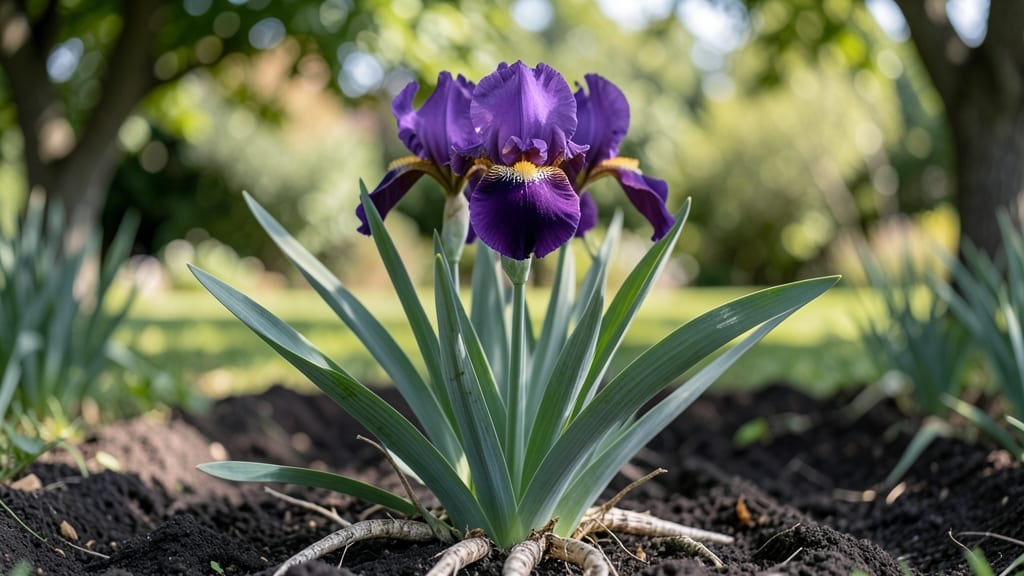
Planting Germanica iris bulbs is like tucking in a sleeping beauty that wakes up every spring with bold, velvety blooms—and they multiply like crazy once established. 🌿 I’ve watched my clumps triple in size over five years, turning one bulb into a showstopping border that neighbors admire (and sometimes ask for divisions of).
The secret lies in the soil, sunlight, and a little patience—no fancy tools required.
Start with well-draining soil mixed with sand or grit to prevent rot, since these bulbs hate soggy feet. Sunlight is non-negotiable: six to eight hours of direct sun per day is their happy place, and they’ll reward you with blooms that last three weeks or more.
Plant them 4-6 inches deep in fall (before frost) or early spring, spacing them 12-18 inches apart—that gives their rhizomes room to spread without crowding.
Watering is where most gardeners trip up: deep but infrequent is the rule. After planting, give them a good drink, then let the soil dry out between waterings. Once established, they’re drought-tolerant, but blooms stay brighter with consistent moisture.
Mulch lightly in winter to protect roots, and watch for those first sword-like leaves in early spring—they’re nature’s way of saying, “I’m coming back bigger.”
Here’s the best part: Germanica irises thrive for decades with minimal care. They’re deer-resistant, pest-proof, and come in colors from deep purple to sunny yellow. Divide clumps every 3-4 years to keep blooms abundant, and you’ll have free plants to share (or trade for other garden treasures).
Let’s get those bulbs in the ground!
📚 In This Guide
- What you need
- Instructions
- Tips and common mistakes
- Wrapping up and next steps
What you need
- ● Iris germanica bulbs: 3–5 healthy, firm bulbs per plant (choose from reputable nurseries or garden centers).
- ● Well-draining soil: A mix of garden soil, compost, and coarse sand or perlite (ratio: 60% soil, 30% compost, 10% sand).
- ● Sunlight spot: A location with full sun (6+ hours daily) or partial shade (for hot climates).
- ● Watering can or hose: With a gentle spray nozzle for post-planting hydration.
- ● Garden gloves: To protect hands from sharp rhizome edges.
- ● Garden trowel or spade: For digging planting holes (6–8 inches deep).
- ● Ruler or measuring tape: To ensure proper spacing (12–18 inches apart).
- ● Mulch (straw or wood chips): To retain moisture and suppress weeds.
- ● Fertilizer (balanced 10-10-10 or bulb-specific): Apply lightly after planting.
- ● Stakes or labels: To mark new growth and track varieties.
Step-by-Step planting guide for Germanica iris bulbs
Here's how to plant these showstopping perennials for years of dramatic blooms and natural spread.
🌱 Step 1: Choose the Perfect Planting Site
Germanica irises thrive in full sun with at least 6 hours of direct light daily. Select a location with well-draining soil—their rhizomes rot quickly in soggy conditions. I always test drainage by digging a 12-inch deep hole and filling it with water; if it doesn't drain within 2 hours, amend the soil with sandy loam or plant on a slight mound.
These irises tolerate a wide range of soil types but perform best in slightly alkaline conditions (pH 6.5-7.5). You'll know you've chosen well when the area receives afternoon sun and has good air circulation to prevent fungal issues. Avoid low spots where water pools after rain.
🪴 Step 2: Prepare the Soil and Planting Area
Clear the planting area of weeds and grass, then loosen the soil to a depth of 12 inches using a garden fork. Work in 2-3 inches of compost or well-rotted manure to improve fertility without adding too much nitrogen, which encourages leaf growth at the expense of blooms. I like to spread the compost evenly and fork it into the top 6 inches of soil.
For heavy clay soils, mix in 1 part coarse sand to 2 parts soil to create a crumbly texture. The goal is soil that holds moisture but drains freely—irises despise wet feet. Rake the area smooth and create small mounds about 4 inches high where the rhizomes will sit; this ensures proper drainage right from planting.
🌿 Step 3: Position Rhizomes Correctly for Maximum Blooms
Germanica iris rhizomes should be planted with their neck (the point where leaves emerge) just above soil level. Never bury them completely—this causes rot. I position each rhizome so about ⅔ of its width sits above the soil, with the fans of leaves facing upward. The roots will hang down naturally into the prepared soil.
Space rhizomes 12-24 inches apart depending on variety size—larger Germanica types need more room. Plant in rows 2-3 feet apart for easy maintenance. You'll see the first blooms emerge from the center of the rhizome in early spring, so position them where you can admire their dramatic height and color.
☀️ Step 4: Water and Mulch for Establishment
Water the newly planted rhizomes thoroughly right after planting, then again every 2-3 days until new growth appears. Germanica irises need consistent moisture during their first growing season but become drought-tolerant once established. You'll know they're getting enough water when the soil feels 2-3 inches deep but not soggy.
Apply a 2-inch layer of mulch around the base, keeping it 6 inches away from the rhizomes to prevent rot. I use pine bark or straw mulch because it breaks down slowly and improves soil structure over time. Avoid organic mulches that pile against the rhizomes—this creates moisture pockets that invite disease.
⏰ Step 5: Maintain Through First Season and Beyond
After the first flush of blooms, cut back the flower stalks but leave the leaves intact until they turn yellow in late summer. The leaves photosynthesize food for next year's blooms, so never remove them prematurely. You'll see new fan-shaped leaves emerge from the center of the rhizome each spring—this is your signal that the plant is thriving.
Fertilize lightly in early spring with a low-nitrogen, high-phosphorus formula (like 5-10-10) to encourage blooming. Germanica irises multiply rapidly, so divide clumps every 3-4 years in early fall. You'll know it's time when you see fewer blooms—crowded rhizomes produce smaller flowers. Simply lift, separate, and replant the divisions for instant new plants.
Tips & tricks for perfect Germanica iris planting
Took me years to figure out these key details—here's how to avoid the most common mistakes with Germanica irises.
Drainage is Everything: That 2-hour drainage test in Step 1 is non-negotiable. I once lost an entire bed of irises because I skipped this step in heavy clay soil. If your soil doesn't drain within 2 hours, mix in more sand or create raised beds. The rhizomes will thank you with years of blooms instead of rot. Remember, these plants despise soggy conditions—think of them as desert dwellers in disguise.
Rhizome Positioning Secret: When planting in Step 3, resist the urge to bury those rhizomes completely. The neck (where leaves emerge) should sit just above soil level—about ⅔ of the rhizome should be exposed. I learned this the hard way after watching several batches of rhizomes turn mushy. This positioning prevents rot while allowing the roots to establish properly in the soil below.
Watering Wisdom: The 2-3 day watering schedule in Step 4 is crucial during establishment, but don't overdo it. Germanica irises develop drought tolerance once established, so aim for soil that's moist but not soggy to 2-3 inches deep. I use my finger to check moisture—if the top 2 inches feel dry, it's time to water. Overwatering is the #1 reason these perennials fail.
Dividing Strategy: That 3-4 year division schedule in Step 5 is perfect timing. I divide mine in early fall when the foliage starts yellowing. The key is to separate the rhizomes gently—don't tear them apart. Each division should have at least one fan of leaves and some roots. You'll be amazed at how quickly these multiply once you give them space to spread.
Pro Tips for Iris Germanica Bulbs
- Took me years to figure out these key details—here's how to avoid the most common mistakes with Germanica irises.
- Drainage is Everything: That 2-hour drainage test in Step 1 is non-negotiable.
- Rhizome Positioning Secret: When planting in Step 3, resist the urge to bury those rhizomes completely.
Frequently asked questions
Got questions about growing Iris germanica bulbs? You’re not alone! Here are some of the most common queries—plus straightforward answers to help you cultivate these stunning perennials with confidence.
When is the best time to plant Iris germanica bulbs?
The ideal planting window is late summer to early fall (August–October in most U.S. zones). This gives roots time to establish before winter dormancy. In warmer climates, spring planting (February–March) also works, but avoid extreme heat or frost.
Can Iris germanica survive winter in cold climates?
These hardy bulbs thrive in USDA Zones 3–9. For extra protection, mulch the soil with 2–3 inches of straw or leaves after the first frost. In Zone 3, a thick mulch layer can prevent heaving during freeze-thaw cycles.
Why aren’t my Iris germanica bulbs multiplying like they should?
Low multiplication often stems from poor drainage, overcrowding, or lack of sunlight. Ensure bulbs get full sun (6+ hours daily) and plant in well-draining soil. Divide clumps every 3–4 years in late summer to boost vigor.
Are there any pests or diseases I should watch for?
Iris germanica is generally pest-resistant, but watch for iris borers (larvae that tunnel into rhizomes) and thrips (which cause streaked petals). Remove affected foliage immediately and treat with neem oil if needed. Rotate planting spots every few years to prevent soil-borne diseases.
Can I grow Iris germanica in containers?
Yes! Use a large container (12+ inches deep) with drainage holes and a mix of sandy loam and perlite. Plant bulbs close together (2–3 inches apart) and ensure the pot gets full sun. Repot every 2–3 years to refresh soil and encourage growth.
Wrapping up and next steps
Growing Germanica iris bulbs is a rewarding journey that brings bold color and effortless beauty to your garden—and they keep multiplying! 🌸 Whether you're a seasoned gardener or just starting, these hardy perennials thrive with minimal fuss, offering years of stunning blooms with the right care.
Ready to transform your outdoor space? Start by selecting healthy bulbs, prepping the soil, and planting them in well-draining spots.
Now that you’re armed with tips and answers to common questions, take the next step—grab those bulbs and get planting! With patience and a little love, your garden will soon be bursting with show-stopping Germanica irises that return year after year. Happy gardening! 🌱✨